MOSAICSEARCH PARTNERS
Big Law History
Updated November 9, 2026
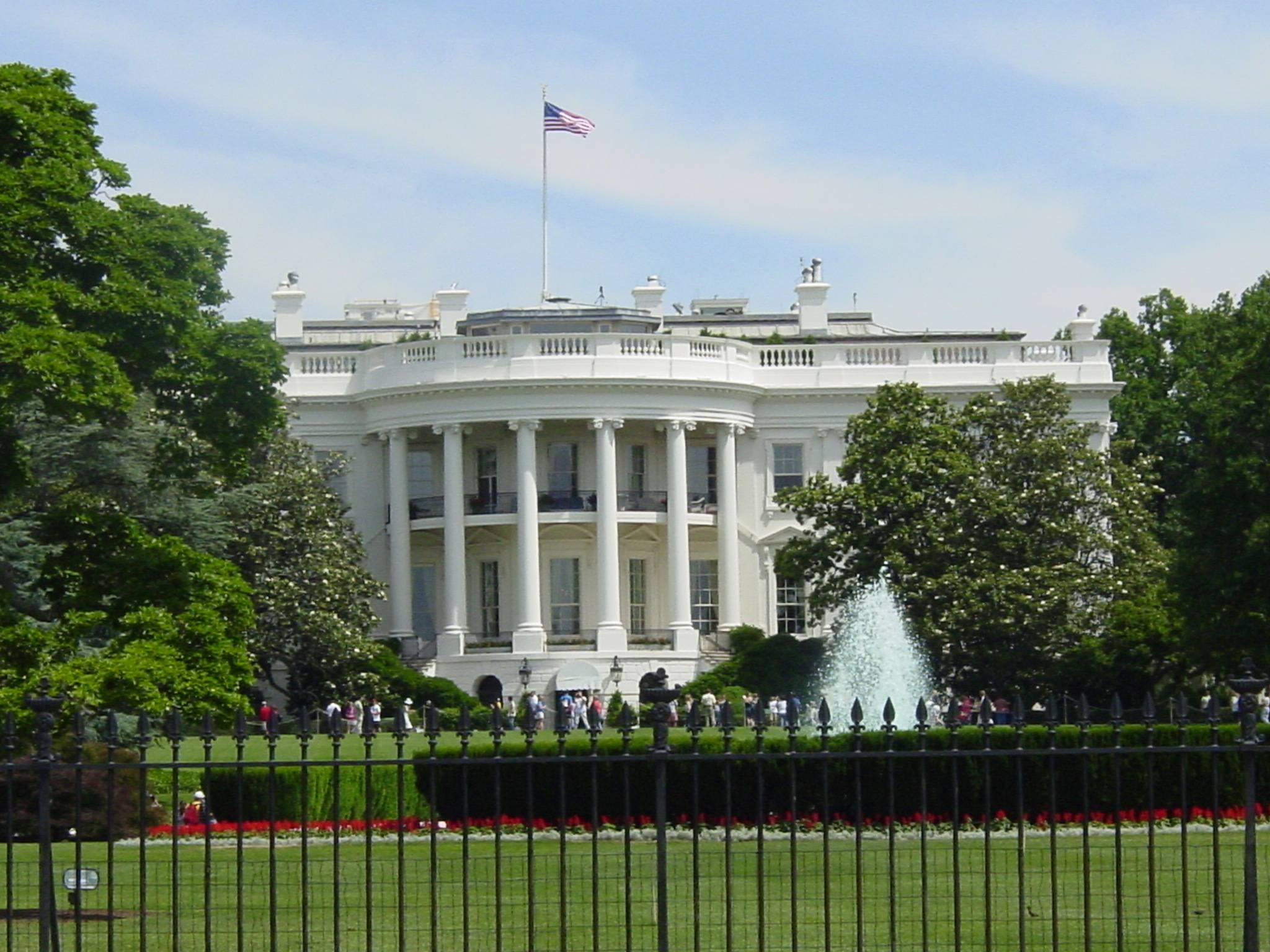
South exterior of the White House

Big Law History / Module 01

The 2025
Trump “Deals”

What happened, how the agreements were reached, and what the evidence establishes.

The core chronology covers February through December 2025, with selected 2026 developments. It connects original orders, the complete EEOC letter packet, court decisions, firm statements, congressional correspondence and reporting. No hearing date or witness list has been confirmed.

Archival White House exterior · National Park Service, 2010 · Image credits
Start here

The pressure preceded the EEOC letters.

The March 17 letters followed actions against Covington on February 25, Perkins Coie on March 6, and Paul, Weiss on March 14.

20Firms receiving the March 17 EEOC letters
9Firms making the White House service deals
$940mAnnounced legal-service pledges; delivery remains unverified
4Direct challengers winning permanent district-court relief in 2025
Follow the sequenceCompare firm agreements ↓
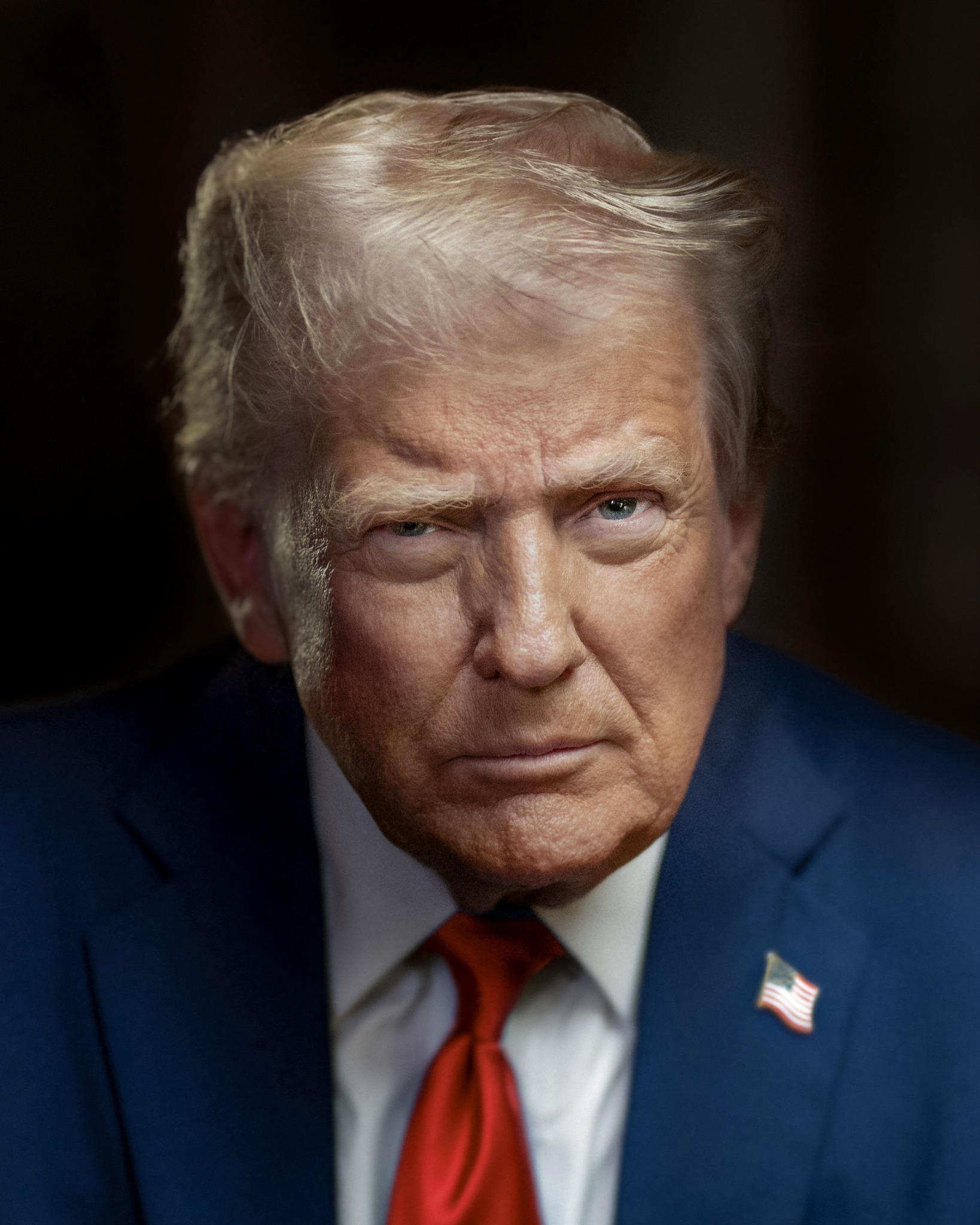
Official 2025 portrait of Donald Trump
01

The pressure begins

Official action targets Covington before the EEOC letters.

Read the entry
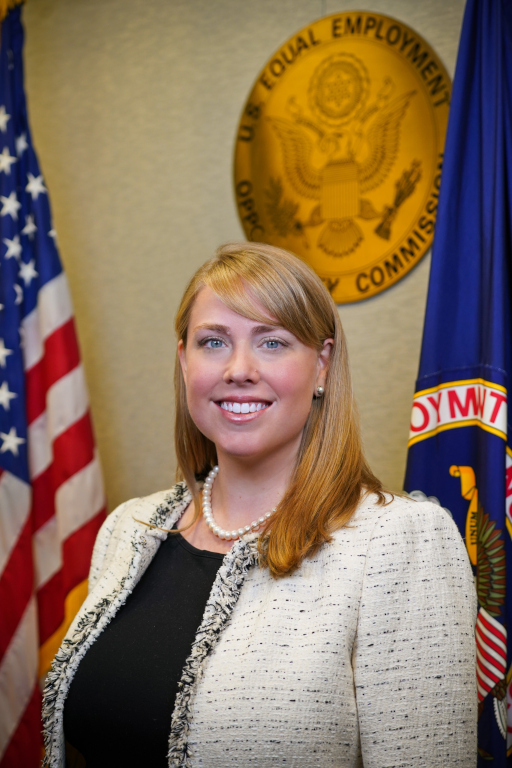
Andrea Lucas, official EEOC photograph
02

20 firms get letters

The EEOC demands information on hiring and employment practices.

Read the entry
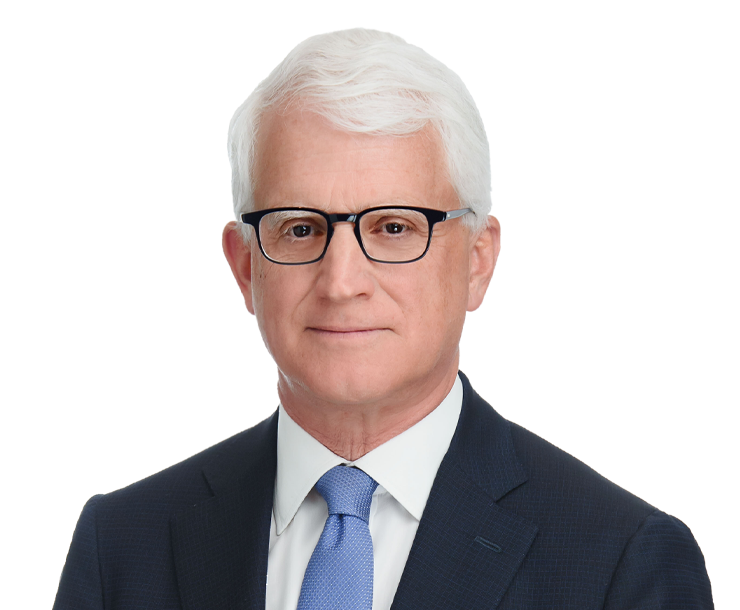
Brad Karp, portrait edited in black and white with a black bar over his eyes
03

The first agreement

Paul, Weiss announces a $40 million service commitment.

Read the entry

Portraits are provided for identification. Photograph dates and sources are listed in the image credits.

How the groups overlap. 6 of the 9 deal firms were in the original EEOC group. Paul, Weiss, Willkie and Cadwalader were not. Only Paul, Weiss among the 9 had an issued punitive executive order to revoke. The 4 firms that directly challenged their orders were Perkins Coie, Jenner & Block, WilmerHale and Susman Godfrey.

01 · CLIENT PRESSURE

The threat reached firms through their clients.

The orders made access to government, clearances and government-related business part of the risk. Firms also faced the prospect of losing clients whose businesses depended on federal decisions or contracts, even if the firms themselves earned little from direct federal work.

03 · NEGOTIATIONS

What did firm leaders know when they agreed?

The pledge amount tells us little about how a chair reached the decision. The threats the firm faced, its alternatives, the negotiations and the internal approval process still need to be explained.

04 · WORK AFTER THE DEALS

Some deal firms still challenged the administration.

Some settling firms later litigated against the administration. We still need to know which other cases they declined and whether the agreements affected those decisions.

Why the Paul, Weiss agreement carried such weight

Paul, Weiss had long presented civil rights and inclusion as part of its identity. Its lawyers worked with Thurgood Marshall on Brown v. Board of Education and represented Edith Windsor in the challenge to the Defense of Marriage Act. In a 2022 interview, Loretta Lynch and Jessica Carey explicitly tied the firm’s culture and ability to attract and retain lawyers to inclusion and public service. That history helps explain why its decision to become the first firm to settle was so consequential: employees and alumni could measure the agreement against commitments the firm itself had promoted.

Skadden settled before an order was issued

Skadden reached its March 28 agreement before a firm-specific punitive executive order was issued. Musk had singled out its pro bono work on March 23, but his post was not the only documented pressure. Skadden had received the March 17 EEOC letter. AP also reported that Jeremy London told colleagues the firm had learned an executive order was planned. The underlying private warning and draft order have not been obtained for this account.

The full account

The 2025 deals, explained

Bryson Malcolm walks through the pressure on the firms, the agreements they made, the people who resisted, and what changed for the profession.

Download the lecture script

Read the full lecture

Why I keep coming back to this

I work with people who are deciding where to spend the next several years of their lives. A lot of them are students. Some are associates who are already wondering whether the firm they joined is the place they thought it was. So when I look at what happened to Big Law in 2025, I keep coming back to what those people were told when they were being recruited.

These firms talked about public service. They talked about inclusion and the freedom to take on difficult cases. I was a summer associate at Skadden, so this is a profession I've been part of too. People take those commitments seriously when they're choosing a firm, moving to a new city, and turning down other offers.

Then the Trump administration started targeting law firms. Within weeks, 9 firms had agreed to provide at least $940 million in legal services. Other firms went to court. Associates quit. Some of the programs firms had spent years promoting were canceled, renamed, or taken off their websites.

I want to go through how that happened, because it was very easy to lose track of the sequence. By the time you understood what had happened at 1 firm, there was another announcement. And the sequence changes how you understand the decisions. A firm that settled after an executive order was issued was in a different position from a firm that agreed before there was an order against it.

The government also didn't need to win a case against these firms to hurt them. It could make their clients nervous about keeping them. If you can make it expensive enough for a lawyer to represent someone, you can make that person's rights much harder to exercise. That's what makes this about more than the reputations of a few very wealthy law firms.

Sources for this chapter

How the pressure reached clients

The first action came on February 25, 2025. Trump directed the suspension of security clearances for Covington lawyers who had helped former special counsel Jack Smith. The memorandum specifically named Peter Koski, who represented Smith, and called for a review of the government's work with the firm.

So a lawyer's representation of someone the president opposed was now creating a problem for the lawyer's entire firm. On March 6, the order against Perkins Coie took that much further. It targeted security clearances, federal contracts, access to government buildings, and contact with federal officials. It also put pressure on government contractors over their relationships with Perkins.

Put yourself in the client's position for a second. You like your lawyers. You trust their advice. But you also need an agency to approve something, or your company depends on a federal contract. Now you have to consider whether keeping those lawyers is going to create another problem for your business.

That's a very effective way to put pressure on a firm before a court has decided anything. Clients can leave while the lawyers are still preparing their complaint. Even a firm that's right about the Constitution has payroll, leases, and partners who can take their practices elsewhere.

Perkins sued on March 11. Judge Beryl Howell temporarily blocked parts of the order the next day. So by the time Paul, Weiss made its deal, Perkins had already gone to court and obtained emergency relief. Nobody could promise how all the litigation would end, but there was already a firm showing what fighting looked like.

The Paul, Weiss order followed on March 14. It attacked the firm's connection to former partner Mark Pomerantz, who had worked on an investigation of Trump. The administration was using its own accusations to justify sanctions; those accusations hadn't been proved at a trial.

On March 22, another presidential memorandum directed scrutiny of lawyers bringing litigation against the government. At that point, lawyers well beyond the named firms had reason to wonder whether their work could make them the next target.

Sources for this chapter

The EEOC letters

In the middle of this, on March 17, acting EEOC chair Andrea Lucas sent letters to 20 firms about their diversity-related employment practices. She wanted responses by April 15. The requests reached into information about applicants and people who had participated in the firms' programs.

Lucas sent the letters to A&O Shearman, Cooley, Debevoise & Plimpton, Freshfields, Goodwin, Hogan Lovells, Kirkland, Latham, McDermott, Milbank, Morgan Lewis, Morrison & Foerster, Perkins Coie, Reed Smith, Ropes & Gray, Sidley, Simpson Thacher, Skadden, White & Case, and WilmerHale.

You'll notice that Paul, Weiss, Willkie, and Cadwalader aren't on that list. All 3 later made White House agreements. So the explanation that firms settled to get out from under the EEOC letters can't account for all 9 deals.

There were objections to the letters almost immediately. On March 18, 7 former senior EEOC officials wrote that Title VII didn't require firms to respond to these particular requests. Employment lawyers at FordHarrison questioned the agency's authority too. On March 25, 8 civil-rights organizations urged Lucas to withdraw the letters.

The issue was whether these requests compelled an answer. An actual discrimination charge, an enforceable subpoena, or an employer's ordinary duty to keep records involves different obligations. Here, the agency had sent unusually broad letters, and lawyers were openly questioning their legal basis.

In February 2026, the stipulation ending a student lawsuit recorded the EEOC's own position: responses had been voluntary, most firms hadn't supplied the requested information, and the response period had closed. The agency also said it hadn't received personally identifiable information about employees or applicants. The case was dismissed with prejudice, without a ruling on the merits.

I'll come back to the privacy issue when we get to Goodwin, because taking names out of a spreadsheet doesn't necessarily prevent someone from identifying the people in it.

For a student at the time, the concern was pretty immediate. You'd applied to a fellowship the firm encouraged you to apply for. Now the government wanted information about that program. The firm would decide how to respond, even though you were the person whose information might be handed over.

Sources for this chapter

Paul, Weiss makes the first deal

Paul, Weiss reached its agreement on March 20. It committed $40 million in pro bono work during Trump's term for causes of mutual interest. The public terms also covered employment practices and an audit. Trump formally revoked the firm's executive order the following day.

I think part of why people reacted so strongly was the firm's own history. Paul, Weiss had spent years talking about the barriers it helped break for Jewish lawyers, Black lawyers, and women. Its lawyers worked with Thurgood Marshall on Brown v. Board of Education. They represented Edith Windsor in the Supreme Court challenge to the Defense of Marriage Act.

In a 2022 interview, Loretta Lynch and Jessica Carey connected the firm's inclusion and pro bono commitments to its culture and its ability to recruit and keep people. Those were reasons the firm gave people to choose Paul, Weiss. It was reasonable for its lawyers to expect those commitments to mean something when the government put them under pressure.

Brad Karp's explanation was that the firm might not survive a prolonged fight. In his message to the firm, he described client losses and competitors trying to take advantage of its vulnerability. Reuters reported his assurance that Trump wouldn't dictate the firm's legal work.

I understand the business concern. Losing clients can become a problem very quickly when partners are also free to leave. But Karp was explaining a decision he'd made, and we don't have the full client list or financial analysis behind his conclusion. I'd want to know what alternatives the partnership considered before deciding an agreement was necessary.

Ruth Marcus's reporting in The New Yorker described Robert Kraft helping connect Karp to Trump. Her account traced the discussions through a White House meeting and the completion of terms by email. Personal access gave Karp a way to negotiate relief that other lawyers watching this unfold didn't necessarily have.

There were disagreements about the deal from the start. The firm disputed the White House's characterization of its position on Pomerantz. Bloomberg reported that Paul, Weiss removed diversity statistics and other website content, while fellowships, pipeline programs, and its inclusion chief remained. The public language changed without every internal program disappearing.

Later disclosures added another issue to Karp's account. In early 2026, records released by the Justice Department under the Trump administration showed more extensive contact with convicted sex offender Jeffrey Epstein than had previously been reported. Reuters described dinners and Karp asking for help finding his son a film job. Bloomberg Law reported that Karp had reviewed and praised a 2019 draft filing defending Epstein's 2008 nonprosecution agreement.

Paul, Weiss said the interactions arose through Karp's representation of Leon Black and that Karp regretted them. It also said neither Karp nor the firm had represented Epstein. That's a denial of representation; the correspondence documents contact and supportive comments about legal work.

There's been speculation that concern about those records influenced Karp's willingness to settle quickly. Legal journalist David Lat acknowledged that rumor in February 2026 but said he knew of no evidence supporting it. We don't have evidence that Trump threatened Karp with the files or that they affected his decision. I wouldn't present that explanation as something we know happened.

What the March agreement did show was that the administration could use an executive order to bring a major firm into negotiations over its employment practices and future legal services. Every other firm now had an example of the terms it might be asked to accept.

Sources for this chapter

Skadden agrees before an order is issued

Skadden reached its agreement on March 28, before the administration issued a punitive executive order against it. By then, other firms had already chosen to challenge their orders in court.

Elon Musk had publicly targeted Skadden on March 23 over its pro bono work in litigation connected to the film 2000 Mules. He wrote, “Skadden, this needs to stop now.” Skadden also had an EEOC letter, and the Associated Press obtained a message from executive partner Jeremy London saying the firm had learned that an executive order was planned.

So I wouldn't say Skadden settled because of a tweet alone. London said the firm had received a private warning. We don't have the underlying warning or a draft order to examine, but his message is part of the reporting. The firm agreed while facing that reported threat, before an order was actually issued.

Skadden pledged at least $100 million in pro bono services. Its terms addressed employment practices, outside employment counsel, and the fellowship program. They included funding at least 5 fellows a year for specified causes and considering political diversity in fellowship selection. The entire fellowship program wasn't being cut to 5 people.

Rachel Cohen had already tendered her conditional resignation on March 20, after the Paul, Weiss deal. She was objecting to Skadden's failure to stand up to what was happening across the profession. She didn't wait for her own firm to sign an agreement. That came 8 days later.

And on the day Skadden settled, Jenner & Block and WilmerHale sued and obtained temporary relief. Those decisions were happening alongside each other. Lawyers deciding how to respond could see firms negotiating and firms going to court in real time.

Sources for this chapter

The other agreements

Willkie agreed to provide $100 million in pro bono services on April 1. Reuters reported disagreement inside the firm and cited a source who said partner Doug Emhoff, the former Second Gentleman of the United States, favored fighting. Thomas Cerabino and Matthew Feldman were the firm's co-chairs at the time.

Milbank followed on April 2 with another $100 million commitment. Neither Willkie nor Milbank had been subjected to a firm-specific punitive executive order. Milbank had received an EEOC letter; Willkie hadn't.

On April 11, Kirkland, Latham, Simpson Thacher, and A&O Shearman were announced together. Each pledged $125 million, for a combined $500 million. Cadwalader separately committed $100 million that day. Add those amounts to the earlier deals and you get $940 million across 9 firms.

Those dollar amounts represented promised legal services. They didn't tell us how much work had been performed, what rates would be used to value it, or who would receive it. All of that would determine what the commitments meant in practice.

The firms also negotiated different qualifications. Willkie's terms included a politically diverse pro bono committee and outside employment counsel. Milbank preserved room for its Cardozo initiative and expressly addressed representing clients against the government. Cadwalader referred to its intake process, conflicts, and capabilities. Leaders relied on those provisions when telling their lawyers the firms would retain control.

The joint April 11 announcement covered pro bono and other free legal services. That's broad enough to include work an associate might never have pictured when choosing a firm for its pro bono practice. Those commitments also ran beyond the administration's term.

The same 4 firms entered separate written EEOC settlements. The agency withdrew its March 17 requests and resolved the covered issues without admissions of wrongdoing. In return, the firms accepted employment-related commitments, restrictions on DEI terminology, and continuing certification and monitoring requirements.

Bloomberg reported that certifications would begin in July 2025 and continue every 6 months through January 2029. Information could be shared with the White House. So the relief announced in April came with years of continuing obligations.

Those settlements didn't provide permanent immunity from future discrimination complaints or ordinary enforcement. Skadden and Milbank were reported to have obtained separate EEOC resolutions, but we don't have the same complete terms for them. And although the 4 firms announced together shared an arrangement, there isn't evidence here that all 9 negotiated as a single group.

Sources for this chapter

What Goodwin handed over

Goodwin wasn't part of the 9 White House deals. It did, however, provide information in response to the EEOC's request. Reporting described more than 200 pages, including roughly 150 pages of spreadsheets with fields such as race, sex, law school, GPA, office, and hiring outcomes.

Goodwin described the data as anonymized. That sounds reassuring until you consider how few people some of those rows could describe. The reported groups included 4 first-year law students in 1 program and 2 second-year students with a particular program background.

If you know someone's school, office, race, and program, how many people are you really choosing between? A name doesn't have to appear in a spreadsheet for someone to work out who it refers to. Former EEOC chair Jenny Yang warned about exactly that risk when the groups are so small.

I work with students who are trying to get access to opportunities like these. They share information because an institution asks for it as part of an application. I don't think it's reasonable to assume that applying also means they're comfortable with the firm assembling those details for a politically charged government inquiry.

We haven't inspected Goodwin's complete production, and the reporting doesn't identify a student who was actually exposed this way. The concern is that the remaining details could allow identification. That's why the EEOC's later statement that it received no personally identifiable information doesn't settle the issue. The agency's description of what it received and Yang's warning about what someone could infer address different questions.

And remember, the EEOC said responses to the letters were voluntary. Firm leaders were making a decision about other people's information. I'd want to know what they did to assess that risk before handing it over, especially when the people affected had so little influence over the decision.

Sources for this chapter

What students and associates lost access to

The changes inside firms reached well beyond the agreements themselves. At Skadden, April reporting described cancellation of the remaining affinity-group events for the year. That's a loss people could experience immediately, even without knowing whether every group would eventually return. Later reporting described changes to fellowship applications, including the removal of questions about systemic racism.

Kathleen Rubenstein announced her resignation as executive director of the Skadden Foundation on June 4, after 6 years leading it. She said the firm had fallen short in supporting public-interest advocacy and expressed hope that it would respect the rule of law and the foundation's values. Founding director Susan Plum was reported to be returning temporarily. The fellowship program continued, but the person who had been leading it was publicly explaining why she was leaving.

DLA Piper discontinued employee resource groups, according to reporting on an internal message. It hadn't made a White House agreement and wasn't among the 20 EEOC recipients. Firms outside those groups were changing their programs too.

Greenberg Traurig also removed references to its affinity groups from its website, Bloomberg Law reported on April 8. The firm had listed 7 groups in its 2023 Vault diversity survey. That reporting confirms the website changes. It doesn't tell us that all 7 groups were discontinued internally.

White & Case discontinued its diversity-and-inclusion function while retaining affinity groups and moving responsibilities into other roles. Reed Smith adopted the name Culture and Engagement. Goodwin described changes involving SEO, Mansfield certification, and the Leadership Council on Legal Diversity.

Latham canceled its academy days before students were due to travel, replacing it with renamed online sessions, The Guardian reported. For students preparing to fly across the country, the in-person experience they'd planned around was gone with very little notice.

Of course a renamed department can still do useful work. But if I'm advising someone who was recruited through a particular program, I need to know whether that program still has staff, funding, and actual events. Keeping a name or a page isn't enough to answer that.

Reuters's July investigation found widespread changes to diversity language and some firms' descriptions of pro bono work. That showed how much public messaging had changed. To understand the effect on people inside the firms, we also need to know which opportunities remained available and which quietly stopped.

Sources for this chapter

The associates who spoke up

Rachel Cohen was a third-year finance associate in Chicago when she gave Skadden her conditional notice on March 20. She explained her objections publicly, including on PBS, and testified at a Democratic bicameral spotlight hearing on April 7. She was asking firms to oppose the administration while their leaders were still deciding what to do.

Brenna Trout Frey, a senior Skadden associate, publicly announced her resignation on March 28. She later wrote about what presidential influence over pro bono choices could mean for the people who depend on that work.

Thomas Sipp resigned on March 31. In his April 4 WBUR interview, he explained that Skadden's public-service and diversity commitments were part of what attracted him to the firm. He also talked about student debt and helping support his mother. Leaving wasn't a decision he could make without thinking about money.

He discussed it again on The New York Times' The Daily on April 7. I think his account is worth listening to because he explains the decision in terms people can relate to. He'd joined a firm for reasons that mattered to him, and its agreement changed whether he felt he could stay. I've linked that episode in his Hall of Fame entry.

Andrew Silberstein left Willkie. Siunik Moradian announced his departure from Simpson Thacher hours after its agreement. Jacqui Pittman left Kirkland, and Sam Wong left Latham. Kirkland associates Kevin Decker, Maggie Hagen, and Harold Grigsby III also connected their departures to the firm's response. Taylor Wettach later described leaving Simpson Thacher in May when he announced a congressional campaign.

I want their names in this account because they made their objections public when doing so carried a cost. They weren't the people voting on the agreements. Speaking out gave colleagues and students information they wouldn't necessarily get from a firm announcement.

I also don't think we should turn that into a judgment of every associate who stayed. People have families, debt, immigration concerns, and obligations we may know nothing about. The leaders who made these decisions should answer for them. We can recognize the lawyers who left without assigning their circumstances to everyone else.

Sources for this chapter

Rachel Cohen's work after Skadden

Cohen kept doing public work after the attention around her resignation. In May 2025, she joined Lowell & Associates as its strategic and external affairs coordinator. The new firm was formed to represent people facing government targeting and overreach. Brenna Trout Frey joined as counsel.

In June, Cohen received the inaugural Konrad Redeker Prize for Rule of Law, Courage, and Resilience. The German firm awarding it recognized her opposition to the administration's pressure on lawyers.

She also spent time explaining legal issues and organizing. Chicago Magazine later described her coverage of immigration-enforcement protests and litigation over the National Guard's deployment in Chicago. On September 30, she announced American Demands, a grassroots policy project developed with collaborators. She said it was collective work and that she wasn't announcing a run for office.

That continuation matters to me. A resignation can become a story about the job someone gave up, and then people stop following. Cohen used her legal background and the audience she'd gained to keep advocating after she'd left the firm.

It's why I include her and Sipp alongside the senior lawyers in the Hall of Fame. They didn't control a partnership vote or a large client relationship. They did have the ability to tell people what was happening and explain why they objected. They used it.

Sources for this chapter

What the senior departures tell us

Senior lawyers left too, and their explanations varied. Joseph Baio, who had spent decades at Willkie and was then senior counsel, was reported to have left in protest. Cadwalader counsel J.B. Howard later explained firsthand that he'd wanted to stay but couldn't accept the firm's agreement.

Steven Banks left his pro bono leadership role at Paul, Weiss for work focused on frontline advocacy. In a later interview, he described considerations that went back to the election and urged people to focus on the president's conduct. His own explanation is more complicated than a simple resignation in protest of the deal.

Jeh Johnson's move deserves that same attention. His appointment as Columbia's co-chair took effect on April 24, 2025. The university announced his election and planned retirement on May 5, and he retired from Paul, Weiss on June 30. His statement expressed appreciation for his colleagues and a desire to devote time to Columbia. He didn't describe leaving as a protest.

Columbia then reached its own agreement with the Trump administration on July 23: $200 million over 3 years to the federal government and $21 million to settle EEOC investigations. The agreement restored access to federal research funding. Johnson and fellow co-chair David Greenwald welcomed it publicly. Columbia said it hadn't admitted wrongdoing and retained control of academic decisions. So he moved into university leadership before that institution reached a separate agreement of its own.

At Paul, Weiss, Karen Dunn, Bill Isaacson, Jeannie Rhee, and Jessica Phillips established Dunn Isaacson Rhee, and more lawyers followed. Their announcements emphasized independence and the practice they wanted to build. Reporting described internal dissatisfaction with Paul, Weiss's deal, but the founders didn't all publicly identify it as their reason for leaving. The firms also continued working together on some cases.

Damian Williams moved from Paul, Weiss to Jenner & Block, which had fought its order. His public comments about values are relevant, but they don't give us a complete account of his decision. At Cadwalader, Bloomberg attributed part of Kenneth Breen and Phara Guberman's decision to the deal, citing an unnamed source.

Reporting also described dissatisfaction among leaders of the 7-partner Willkie group that moved to Cooley. That tells us something about the group's leadership, without telling us what motivated every member. Ellen Holloman's move from Cadwalader followed earlier recruiting efforts. Bonnie Neuman's real estate finance group's planned departure was reported before Cadwalader's agreement.

I work in recruiting. People can have several reasons for moving, and the public explanation may only cover some of them. A departure after a deal is worth examining. To call it a protest, I want something connecting the person's decision to the agreement.

Sources for this chapter

The firms that went to court

Perkins Coie won permanent relief in the district court on May 2. Jenner & Block followed on May 23, WilmerHale on May 27, and Susman Godfrey on June 27. All 4 challenged the executive orders and won at that stage.

The judges addressed the constitutional problems with punishing firms for their clients, lawyers, and legal positions. Those decisions gave the firms substantial protection. They also showed everyone watching that the administration's demands could be successfully challenged.

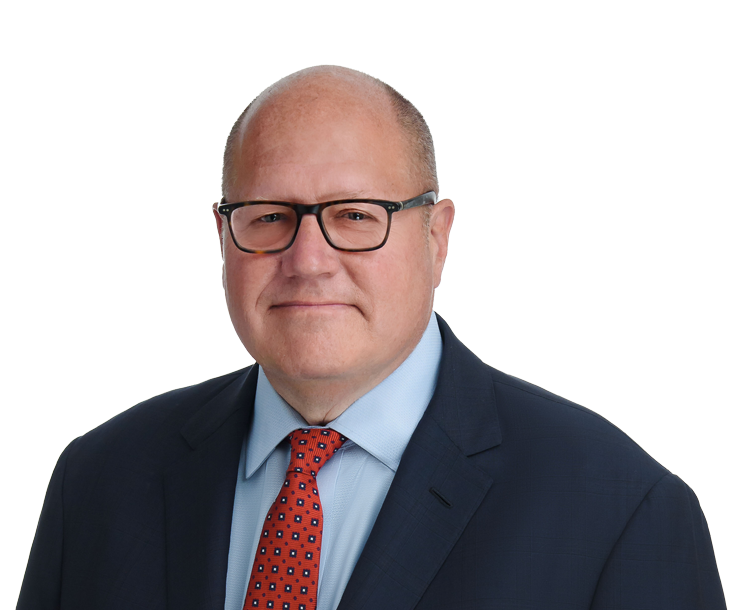
The lawyers who took the cases deserve credit too. Williams & Connolly represented Perkins, with Dane Butswinkas leading its courtroom challenge. Cooley represented Jenner, with Michael Attanasio among the team's leaders and CEO Rachel Proffitt supporting the decision to take the case. Paul Clement, Erin Murphy, and Joseph DeMott of Clement & Murphy appeared on WilmerHale's complaint. Donald Verrilli and Munger, Tolles & Olson represented Susman.

There was support beyond those teams. The version of the Perkins amicus brief entered on April 7 listed 518 law firms. Munger, Tolles & Olson and Eimer Stahl were counsel. Through an amicus brief, people outside the lawsuit can explain to the court why its decision matters to them. Those firms were putting their names behind the argument that retaliation against lawyers threatened the profession as a whole.

Arnold & Porter, Covington, Crowell, Davis Wright Tremaine, Fenwick, Freshfields US, Foley Hoag, Munger Tolles, and Keker, Van Nest & Peters were among the signatories, alongside hundreds of smaller firms and boutiques. The full appendix is linked on the page.

John Keker, Robert Van Nest, and Elliot Peters also urged firms to resist in a March 30 New York Times guest essay. William Bay, then president of the ABA, spoke against the intimidation of lawyers, and the ABA later filed its own lawsuit.

Neel Chatterjee founded and led Law Firm Partners United while he was at Goodwin. The lawyers participated personally, so the organizing shouldn't be credited to Goodwin as an institution. Later reporting described resistance he faced inside the firm. He moved to King & Spalding in July 2025 and subsequently spoke about values, lawyers' ability to speak freely, and the opportunity to build his practice.

I want people to be able to find these examples. If you're a young lawyer watching your firm's leadership say it has no realistic choice, it helps to know what other lawyers tried, who supported them, and what happened when they did.

Sources for this chapter

Competitors, recruiting, and private conversations

Karp said competitors tried to take advantage of Paul, Weiss while it was under pressure. Congressional inquiries asked about recruiting and communications between firms. Reporting also examined efforts to organize a broader response and the intermediaries who helped firms reach the administration.

There are several claims that can get mixed together here: that a firm wouldn't provide representation, that it wouldn't join a collective response, or that it tried to recruit another firm's partners. Those involve different conduct and need different evidence.

The material linked here doesn't establish the specific claim that Kirkland was asked to help Paul, Weiss and refused. Kirkland, through W. Neil Eggleston, also denied trying to poach Paul, Weiss lawyers in the cited account. Sullivan & Cromwell's response about unsolicited recruiting approaches addressed recruiting, rather than every question about whether it offered assistance.

From my side of the business, it makes sense that instability would make some people more willing to consider leaving. But to say recruiting surged, we'd need to compare actual approaches or moves over a defined period with what had been happening before. A few visible departures won't tell us that on their own.

There's still a business problem here even without proving a recruiting surge. If you think your clients and partners will leave while your competitors carry on as usual, standing together gets harder. Settling can protect your firm immediately while leaving the administration free to put the next firm under the same pressure.

That's why the private conversations are worth understanding. The joint April 11 agreement and reported lobbying tell us some of what happened. Records of the discussions could tell us more about the alternatives firms considered and why a broader response didn't hold.

Sources for this chapter

The pressure on companies around them

Law firms were advising companies that were making their own decisions about Trump. Those clients depended on approvals, contracts, and access to the government. What was happening in media and technology helps explain the environment firm leaders were operating in.

ABC's December 2024 settlement over George Stephanopoulos's statements about the Carroll litigation provided $15 million for a presidential library and $1 million in legal fees. The Jimmy Kimmel controversy happened later. In September 2025, FCC chair Brendan Carr's comments preceded affiliate decisions and ABC's temporary suspension of Kimmel. Carr denied that government pressure caused the suspension, and Kimmel returned.

The concern there is what a broadcaster understands when a regulator starts talking about its programming. The order of events deserves scrutiny, while Carr's denial remains part of the account.

Paramount agreed to a $16 million settlement of Trump's lawsuit over the 60 Minutes interview with Kamala Harris while the Skydance transaction awaited regulatory approval. Later in July, the FCC approved the transaction after commitments that included a news ombudsman and changes concerning DEI. The settlement and approval were separate events. Their proximity raises an obvious question about regulatory pressure, but there hasn't been a judicial finding in the material here that they amounted to an unlawful exchange.

Meta agreed to a $25 million settlement over Trump's suspended accounts. Reporting placed the discussions in the company's effort to repair its relationship with the incoming president. That context helps explain the settlement without making every later Meta policy change a term of the deal.

Amazon's inaugural contributions and financing of the Melania documentary drew attention too. Sam Altman and Tim Cook each made personal $1 million inaugural contributions. Those were personal donations, separate from spending by OpenAI or Apple. Stargate's announced investment plan and Apple's announced U.S. investments were business commitments, not donations to Trump's political operation.

For a company, accommodating a president may look cheaper than risking an approval or becoming a public target. Whether a particular arrangement crosses a legal line depends on evidence of what was demanded, what benefit was offered, and how government authority was used.

The Supreme Court's 2024 decision in NRA v. Vullo addressed the use of regulatory pressure against intermediaries over protected speech. It allowed a coercion claim to proceed on the allegations. It didn't decide any of these later disputes, but it helps explain why an official's influence over a business can become a constitutional concern.

I don't find the corporate comparisons reassuring about law firms. If other institutions decide it's easier to accommodate the government, people still need lawyers who can challenge it. That's a responsibility the profession can't hand off to the next industry.

Sources for this chapter

How the work affects the decision

If you're running a transactional practice, your clients may be trying to get a deal through regulatory approvals, financing, and negotiations. They want you to keep it moving. A confrontation with the executive branch can look like a new obstacle, even when the government's conduct is plainly objectionable.

For a litigation practice, being willing to confront a powerful adversary may be exactly why clients hired you. Demonstrating that you're prepared to fight the government can strengthen the reputation those clients depend on.

I think that helps explain some of the different responses. It doesn't sort every firm into a neat category. Perkins had a substantial business practice. WilmerHale does transactional work. Paul, Weiss and Kirkland have major litigation businesses. Rachel Proffitt was a corporate lawyer when Cooley agreed to represent Jenner.

We also don't have comparable revenue figures showing that every settling firm got less than half its revenue from litigation. And transactional work isn't automatically more profitable. The economics depend on the clients, rates, staffing, fee arrangements, and the work available at the time.

What I'd want to understand is how leadership weighed the risks. Protecting current revenue can preserve jobs and client relationships. But if a firm is telling recruits that its commitments can change when they're expensive to keep, that has a cost too. So does giving future clients reason to question whether the firm will stay with them in a fight against the government.

Those losses are harder to estimate than a client threatening to leave this week. That doesn't make them less relevant to a decision about the firm's future. Trust is a large part of what a law firm is selling.

Sources for this chapter

What came after the announcements

After the deals, the question became what the firms would actually do. The administration discussed using the pledged services for work involving tariffs and law enforcement. Cadwalader considered a proposal involving criminal appeals. Considering a proposal doesn't tell us that the firm accepted it or that completed work was counted toward its pledge.

Later reporting connected firms to the Commerce Department. Simpson Thacher's work was confirmed while terms were still being settled. Skadden was linked to the government's Intel investment. We still don't have a complete public accounting of the recipients, hours, rates, or credits against the commitments.

Some settling firms also continued taking cases against the administration. Reuters identified examples, which is relevant when assessing how much independence they retained. Those cases show they could still oppose the government in some matters. They can't tell us which other cases were discussed and declined.

Congressional Democrats sent several rounds of requests for records in 2025, comparing what the White House said with what firms told their lawyers. A watchdog later sued for government records. In October 2026, lawmakers again pressed Kirkland for information. These are efforts to obtain answers; the allegations in a request haven't become established facts just because lawmakers put them in a letter.

The court cases continued too. In March 2026, the administration moved to abandon its appeals, then reversed course. The 4 firms appeared before the D.C. Circuit on May 14. That's the latest appellate milestone verified for this account. I don't have a later disposition established here, so the victories I've described are the district-court rulings.

The student lawsuit over the EEOC letters ended with the February 2026 stipulation. That gave us the agency's stated position on voluntary responses and the information it received. It didn't resolve the separate concern about whether apparently anonymous data could identify students.

There's a lot that an announcement of a deal leaves unanswered. To understand what a firm agreed to, we need to follow the work, the continuing obligations, and the decisions its lawyers make afterward.

Sources for this chapter

What I'd ask a firm now

If you're deciding where to work, I think this history gives you better questions to ask. If a firm recruits you through a fellowship or affinity group, ask whether it still operates and who is responsible for it. If pro bono work is part of the reason you want to join, ask how matters are approved and whether that process changed after 2025.

I'd also ask how leadership explained its decisions to associates. Were people able to raise objections? Did the firm answer them? A polished recruiting presentation won't tell you as much as an honest account of a difficult decision.

I understand that leaders were facing serious pressure. Clients could leave, revenue could fall, and other people at the firm could lose their jobs. I still think those leaders owe their lawyers an explanation of what they chose to protect and what they agreed to give up. Calling the choice difficult doesn't answer those questions.

And I want us to remember the people who made resistance possible. The firms that sued needed lawyers willing to represent them. Associates like Cohen and Sipp took risks without the authority or resources of a firm chair. Their accounts helped people outside those offices understand what was happening inside them.

Most people will never hire a firm on this page. They may still need an organization, a public-interest lawyer, or a legal team that depends on these firms' help. If that support becomes harder to obtain because lawyers are afraid of the government, the consequences extend well beyond Big Law.

These firms will keep asking students and associates to trust them. I'd like the people making those decisions to have the names, dates, and explanations in front of them, including the parts the firms would rather move past. That's why I put this account together.

Sources for this chapter
February 2025 onward

The timeline

Read the main account straight through or filter it by firm, issue or period. Open an event for more detail and the limits of the available evidence. Later reporting is dated separately from the events it describes.

Fellowships and employee groups

The entries below cover Kathleen Rubenstein’s resignation, reported program changes and the records needed to establish what actually stopped. It distinguishes canceled events, dissolved functions, changed application rules and website edits. Firms outside the 9 agreements are identified in their entries. Harold Grigsby III’s public account adds an attributed allegation of Kirkland program-funding cuts; the precise policy changes still need corroboration.

102 of 102 events
Executive action
Covington & Burling logo
Covington & Burling

The first named-firm action targets Covington

Donald Trump, official 2025 presidential portrait
The administrationPresident Donald TrumpThe February 25 memorandum preceded the broader firm orders and EEOC demands.Official portrait released June 2025 ↗

Trump directs suspension of clearances for Covington personnel who assisted former special counsel Jack Smith and a review of government engagements with the firm. The memorandum identifies attorney Peter Koski and Smith’s representation.

More detail and evidence

Primary document

Context. This presidential memorandum opens the named-firm chronology. The 5 numbered punitive executive orders followed later.

What remains unclear. Each agency’s implementation decisions and the financial harm actually incurred require evidence beyond the memorandum.

Executive action
Perkins Coie logo
Perkins Coie

Perkins Coie receives the broader sanctions template

EO 14230 combines clearance restrictions, reviews of government contracts and funding, contractor disclosure obligations, and restrictions on access to government buildings, officials and employment. It attacks the firm’s election-related work and employment practices. It also directs an EEOC review of large law firms.

More detail and evidence

Primary document

Context. The potential cost reaches clients whose businesses depend on the federal government. The EEOC campaign therefore has an explicit presidential antecedent before the March 17 letters.

What remains unclear. The accusations in the order come from the administration. No judicial findings against Perkins Coie are established by the order itself.

Litigation
Perkins Coie logo
Perkins Coie

Perkins Coie sues; interim protection follows the next day

Perkins Coie files suit on March 11. Judge Beryl Howell grants a temporary restraining order on March 12 against key portions of the directive. The firm continues seeking permanent relief.

More detail and evidence

Court record / firm statement

Context. A litigation route was already producing protection before the first White House deal. Interim relief and a final judgment are different milestones.

What remains unclear. A court order can restrict enforcement without immediately removing every client’s commercial anxiety.

Executive action
Paul, Weiss logo
Paul, Weiss

Paul, Weiss becomes the first eventual deal firm hit by an order

EO 14237 applies a similar package of restrictions to Paul, Weiss. Its stated grounds include former partner Mark Pomerantz’s role in investigating Trump and alleged discrimination. Pomerantz’s earlier employment is treated as a reason to act against the institution.

More detail and evidence

Primary document

Context. Of the 9 firms in the eventual deal group, Paul, Weiss is the one with an issued punitive executive order to revoke.

What remains unclear. Whether any allegation justified a particular restriction is a separate question from whether the allegation appears in the order.

Programs & access
Goodwin Procter logo
Goodwin Procter

Goodwin changes a 1L fellowship application requirement

Goodwin removed the requirement that future 1L fellowship applicants demonstrate a commitment to DEI on March 17, according to firm responses later obtained by Bloomberg Law. Bloomberg reported the change on May 22.

Source timing: Event: March 17, 2025. Disclosure: Bloomberg Law, May 22, 2025.

More detail and evidence

Reporting based on obtained firm responses

Context. Goodwin’s response said the March 17 application and website changes had been scheduled before it received the letter.

What remains unclear. That is the firm’s account of the sequence. The underlying approval records have not been obtained.

EEOC
All 20 EEOC recipients

The EEOC sends public information demands to 20 firms

Andrea Lucas, EEOC acting chair at the time of the letters
The agencyAndrea LucasEEOC acting chair when the March 17 letters were sent.Official EEOC photograph ↗

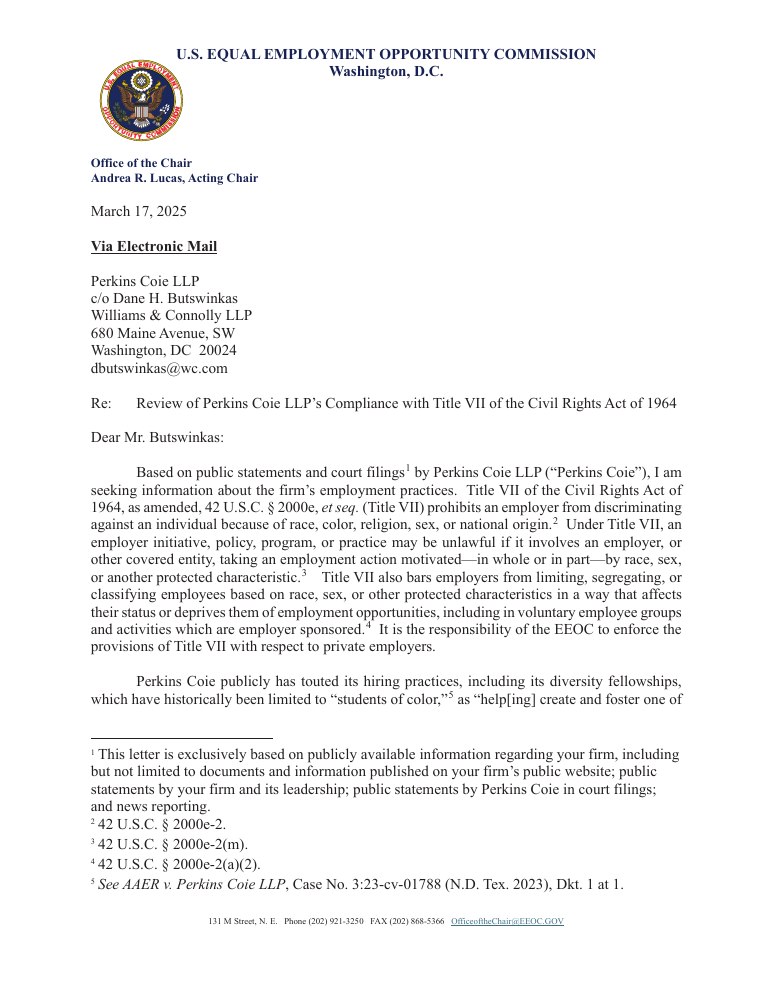
Acting Chair Andrea Lucas sends letters seeking extensive information about recruiting, compensation, advancement and diversity-related programs. The stated purpose is to assess possible race- or sex-based disparate treatment. The original packet contains 210 pages and sets an April 15 response deadline.

More detail and evidence

Primary documents

Context. The letters request information about alleged Title VII violations. The allegations remain unadjudicated in these documents. 6 recipients later join the 9-firm White House deal group.

What remains unclear. Any valid charge, subpoena, finding of liability or adjudicated duty to produce the requested items would require a separate record.

EEOC
All 20 EEOC recipients

The demands reach students, clients and partnership decisions

Preview of page one of the March 17, 2025 EEOC letter packetRead the documentThe original EEOC letter packet210 pages · March 17, 2025 · Open PDF ↗

The packet seeks applicant and lawyer demographics, program criteria, selection outcomes and related records. The Perkins letter includes names and contact details, law schools and grades; fellowship and SEO participation; client diversity requirements; compensation incentives; and partnership information. Lookback periods and particulars vary by firm.

More detail and evidence

Primary documents

Context. The requests reach people who were not responsible for the firms’ management decisions. Student privacy and client confidentiality become distinct issues from whether any employment policy was lawful.

What remains unclear. The letters differ. Each firm’s actual production remains a separate factual question.

Programs & access
DLA Piper logo
DLA Piper

DLA Piper announces an end to demographic-based resource groups

In a March 18 firmwide email viewed by Bloomberg Law, Americas chair Frank Ryan announced that DLA Piper would discontinue resource groups based on demographic categories and stop participating in certain external surveys. The report appeared the next day.

Source timing: Email: March 18, 2025. Reporting: March 19, 2025.

More detail and evidence

Reporting quoting an internal leadership announcement

Context. DLA Piper made this announcement before Paul, Weiss reached the first agreement. It was outside both the original EEOC 20 and the 9 White House deal firms.

What remains unclear. The scope across employee networks and jurisdictions remains unclear, as does whether DLA Piper received any private government instruction.

EEOC
Profession-wide / government

Former EEOC officials say firms were not required to answer the letters

7 former EEOC officials wrote to Andrea Lucas the day after the demands. They said Title VII did not require firms to respond or permit penalties for declining, and challenged the process and confidentiality implications.

More detail and evidence

Attributed legal position

Context. This criticism was public before the first White House agreement.

What remains unclear. The letter presents the former officials’ legal criticism; it carries no judicial ruling. The EEOC can initiate a matter through a commissioner charge as well as an employee complaint.

Negotiations
Paul, Weiss logo
Paul, Weiss

Inside the first negotiation: intermediaries and an Oval Office meeting

Ruth Marcus reported that Robert Kraft helped connect Brad Karp with Trump; a March 18 call preceded a March 19 Oval Office meeting. Her account places Susie Wiles, Steve Witkoff and Boris Epshteyn there, with Sullivan & Cromwell’s Robert Giuffra participating by phone. Terms were completed by email on March 20.

Source timing: 2025-03-27

More detail and evidence

Reported reconstruction

Context. Marcus names the participants and dates the contacts. Calendars, emails and meeting notes could confirm or challenge that account.

What remains unclear. The account is a reported reconstruction. No released transcript is included here; each participant’s capacity and authority remain important.

Deal
Paul, Weiss logo
Paul, Weiss

Paul, Weiss agrees to $40 million in pro bono services

Leadership at the time

Trump announces an agreement with Paul, Weiss. The firm commits to $40 million in legal services for specified causes and changes or affirmations concerning hiring and client selection. Reuters reports an actual client departure during the preceding week and disagreement over the White House’s characterization of Pomerantz’s conduct.

More detail and evidence

Announcement / reporting

Context. The first public bargain links relief from government restrictions with institutional commitments.

What remains unclear. The dollar figure is a service pledge. The announcement’s characterization of an acknowledgment of wrongdoing is the administration’s claim.

Paul, Weiss’s civil-rights and inclusion history made the first agreement particularly consequential for its institutional identity and the expectations it had encouraged among lawyers.

Departures & dissent
Skadden logo
Skadden

Rachel Cohen tenders conditional notice before Skadden’s own agreement

Cohen demanded institutional opposition to the administration’s attacks on lawyers and tendered conditional notice. She later told Congress that Paul, Weiss’s settlement convinced her firm leaders were not acting together. Skadden’s own deal followed 8 days later. Her notice was accepted; contemporary Bloomberg coverage still described her as on 2-week notice.

Source timing: Conditional notice: 3.20.25, as stated in her April 7 testimony. Skadden’s agreement: 3.28.25. Her final day remains unconfirmed.

More detail and evidence

First-person explanation / public reporting

What remains unclear. March 20 is the date of her conditional notice. Her final employment day remains unconfirmed; Skadden reached its agreement on March 28.

EEOC
Profession-wide / government

Employment lawyers question the demands’ compulsory force

FordHarrison questioned the legal basis for the letters, while Bloomberg Law reported competing views on the agency’s ability to seek voluntary cooperation. Those debates distinguished requests from formal enforcement.

More detail and evidence

Contemporaneous reporting and attributed legal positions

What remains unclear. The speakers were giving their legal assessments. No court finding of unlawful conduct is established by these accounts.

Programs & access
Paul, Weiss logo
Paul, Weiss

Paul, Weiss changes website content while programs remain

Bloomberg Law reported removal of diversity statistics and some related website content at Paul, Weiss immediately after its agreement. The same report said fellowships, pipeline programs and the inclusion chief remained.

Source timing: Reported March 21, 2025; exact timing of individual website edits not established.

More detail and evidence

Reported website changes and continuing programs

Context. A deleted page raises a question about the underlying program’s status. Establishing a closure requires evidence about the program itself.

What remains unclear. The March 21 report leaves later changes to budgets, eligibility and staffing unresolved.

Executive action
Paul, Weiss logo
Paul, Weiss

The president formally revokes the Paul, Weiss order

EO 14244 revokes EO 14237. It recites political neutrality in client selection and attorney hiring, pro bono work across the political spectrum, merit-based hiring and promotion, and $40 million during Trump’s term for veterans, fairness in the justice system and combating antisemitism.

More detail and evidence

Primary document

Context. The order explicitly links revocation to the firm’s commitments. Its service pledge covers Trump’s term in office.

What remains unclear. The complete negotiation file and any agreement signed by the participants remain separate records to examine.

Executive action
Profession-wide / government

A separate memorandum expands pressure on the legal profession

Trump directs the attorney general to consider sanctions, disciplinary referrals and other measures concerning allegedly improper litigation against the government. The memorandum calls for review of certain conduct over the previous 8 years and possible recommendations concerning clearances and contracts.

More detail and evidence

Primary document

Context. The campaign is broader than the named firms. Potential adverse government action is communicated to lawyers considering future litigation.

What remains unclear. The memorandum alleges litigation abuse. Whether a court imposed sanctions in any particular case requires that case’s record.

Firm response
Paul, Weiss logo
Paul, Weiss

Karp explains the decision to settle

In an internal memo reported by Reuters, Karp says the firm was prepared to challenge the order but feared business damage could persist despite winning interim relief. He says the agreement leaves the firm in control of pro bono work and reflects mutually supported causes. Reuters reports that its existing annual pro bono work was worth about $130 million. His firmwide email also alleged that unnamed competitors sought the firm’s clients and attorneys while expected industry support failed to arrive.

More detail and evidence

Firm account reported contemporaneously

Context. Karp gave employees this explanation for settling. With existing annual pro bono work reportedly worth about $130 million, the amount of new work represented by the $40 million pledge remains unclear.

What remains unclear. Karp’s email does not name Kirkland or establish a rejected request for representation. Leadership’s forecast of business losses was not independently audited.

Executive action
Jenner & Block logo
Jenner & Block

Jenner & Block is targeted after Paul, Weiss settles

EO 14246 targets Jenner & Block with restrictions similar to the Perkins order. Its stated grounds include the firm’s former association with Andrew Weissmann and disfavored advocacy. Weissmann was not a current Jenner lawyer in 2025; the later opinion records that his most recent tenure ended in 2021.

More detail and evidence

Primary order / judicial record

Context. Firm-specific orders continued after the first settlement.

What remains unclear. The government’s characterizations remain allegations in the order. A finding of misconduct would require a separate adjudication.

EEOC
Profession-wide / government

A civil-rights coalition says firms need not supply the requested information

8 organizations asked Lucas to withdraw the letters and copied all 20 firms. They argued that the requests did not compel disclosure.

Source timing: Letter dated March 25, 2025; public release March 26.

More detail and evidence

Contemporaneous reporting and attributed legal positions

What remains unclear. The speakers were giving their legal assessments. No court finding of unlawful conduct is established by these accounts.

Executive action
WilmerHale logo
WilmerHale

WilmerHale is targeted over prior government-service connections

EO 14250 names WilmerHale and attacks its ties to Robert Mueller and other lawyers associated with the Russia investigation, alongside allegations concerning firm practices. It uses the clearance, access and government-business restrictions familiar from the earlier orders.

More detail and evidence

Primary document

Context. The administration’s public theory directly connects sanctions against firms with lawyers and representations it opposes.

What remains unclear. The order does not itself adjudicate the truth or legal sufficiency of its accusations.

Litigation
Jenner & Block logoWilmerHale logo
Jenner & Block · WilmerHale

Jenner and Wilmer sue and obtain partial temporary relief

Both firms sue on March 28. Judges John Bates and Richard Leon temporarily block key restrictions the same day. Leon does not initially block the clearance provision. Jenner alleges substantial exposure through clients connected to federal contracting.

More detail and evidence

Court proceedings reported by Reuters

Context. The temporary relief covered specified provisions. The remaining provisions and the firms’ requests for permanent relief still required further court action.

What remains unclear. The amount of commercial risk remaining after interim relief depends on actual implementation and client reactions.

Deal
Skadden logo
Skadden

Skadden becomes the second firm to settle

Skadden agrees to $100 million in free legal services and commitments concerning employment practices. No firm-specific punitive executive order had been issued. AP reported that Jeremy London told colleagues the firm had learned an order was planned and entered negotiations to avert it.

More detail and evidence

Presidential announcement / London message reported by AP

Musk’s March 23 post was one public pressure point. Skadden also faced the March 17 EEOC demand and, according to London’s reported account, a private warning about an executive order.

What remains unclear. The underlying private warning and proposed executive order have not been obtained. London’s account is attributed to contemporaneous AP reporting.

Deal
Skadden logo
Skadden

Skadden’s announced deal reaches fellowships and pro bono governance

The announcement calls for pro bono work in the firm’s name, a committee to align matters with the program and political breadth, and at least 5 fellows annually for the specified categories. It says fellows will reflect varied political views, including conservative ideals. It also specifies independent employment counsel and limits on denying representation because of lawyers’ political views.

More detail and evidence

Archived presidential announcement

Context. The announced commitments cover fellowship selection and pro bono governance as well as the $100 million pledge.

What remains unclear. The announcement does not establish how fellows were selected afterward or whether existing work was displaced.

Departures & dissent
Skadden logo
Skadden

Brenna Trout Frey gives notice in protest

Frey publicly objected to Jeremy London’s explanation of the agreement and said continued employment was incompatible with her obligation to uphold the rule of law. Her later Bloomberg commentary focused on the consequences of presidential influence over pro bono choices.

Source timing: Notice and public statement: 3.28.25. Her post appeared the day of the agreement; contemporary reporting places it late Friday.

More detail and evidence

First-person explanation / public reporting

What remains unclear. Her original post and reporting from late Friday place the announcement on March 28; some later reports use March 29. The University of Delaware biography supports her historical office and practice, but its employer listing is out of date.

Departures & dissent
Skadden logo
Skadden

Thomas Sipp gives notice in protest

Sipp said Skadden’s pro bono and diversity commitments helped attract him to the firm. After the agreement, he reconsidered whether he could stay, drafted his resignation over the weekend and announced his departure. In his public letter, he also alleged that the firm restricted firmwide email discussions.

Source timing: Resignation: 3.31.25, according to his 4.4.25 WBUR interview. Reporting followed on April 1; the date of his first public post remains unclear.

More detail and evidence

First-person explanation / public reporting

What remains unclear. The reports dated April 1 and April 2 followed his resignation. The WBUR interview provides his own explanation and the date; the unofficial copy of his letter contains transcription errors.

Deal
Willkie Farr & Gallagher logo
Willkie Farr & Gallagher

Willkie agrees to $100 million; dissent is reported

Willkie agrees to $100 million in pro bono work. Reuters reports that leadership acknowledged disagreement within the firm; a source said partner Doug Emhoff, the former Second Gentleman of the United States, favored fighting. Thomas Cerabino and Matthew Feldman were the firm’s co-chairs. Willkie was not one of the original 20 EEOC-letter recipients.

More detail and evidence

Announcement / attributed reporting

Context. Reuters’s account records disagreement within the firm over leadership’s decision.

What remains unclear. A partnership vote, the complete terms and each lawyer’s position remain unestablished by the anonymous account.

Deal
Willkie Farr & Gallagher logo
Willkie Farr & Gallagher

Willkie’s published terms include a committee and political-hiring assurances

The announcement says the pro bono committee will align new matters with listed objectives and a broad political spectrum. It specifies equal consideration for applicants including former Trump administration personnel, independent employment counsel, and limits on denying representation because of individual lawyers’ politics. The commitment runs during the administration and beyond.

More detail and evidence

Primary announcement

Context. The terms govern committee decisions, hiring and representation alongside the service pledge.

What remains unclear. The White House describes proactive firm outreach. The full sequence of earlier contacts and the complete private terms remain undisclosed in the post.

Programs & access
White & Case logo
White & Case

White & Case confirms it discontinued its D&I function

White & Case told HR Brew it had discontinued its diversity and inclusion function and introduced professional-skills training and engagement for nonpartner lawyers and business-services staff. HR Brew reported that affinity groups remained and D&I staff would move into new roles. Law.com subsequently reported dissolution of the D&I committee and Hedieh Fakhriyazdi’s title change to chief engagement officer.

Source timing: Confirmed by the April 2, 2025 report; exact internal implementation date unverified. Additional print reporting April 18.

More detail and evidence

Direct firm statement reported by HR Brew; additional Law.com confirmation

Context. White & Case changed its organizational function while retaining employee groups, according to the contemporaneous account. It received an EEOC letter and remained outside the 9-firm deal group.

What remains unclear. The exact implementation date, later staffing and comparative budgets remain unestablished. The report that affinity groups remained is important when assessing the scope of the changes.

Deal
Milbank logo
Milbank

Milbank agrees to $100 million after administration contact

Leadership at the time

Milbank announces a $100 million agreement. Reuters reports Scott Edelman’s explanation that the administration contacted the firm about its pro bono work and employment policies and suggested reaching an agreement. Milbank had received an EEOC letter; no punitive firm-specific order had been issued.

More detail and evidence

Announcement / firm account

Context. The agreement followed reported government contact while Milbank had no issued firm-specific executive order.

What remains unclear. The White House’s public statement says Milbank approached it; the internal account describes administration contact first. The accounts may describe different stages. The sequence remains unresolved.

Firm response
Milbank logo
Milbank

Milbank’s internal explanation identifies a committee change

Edelman’s email, published by Law.com, says the firm needs Executive Branch access for its transactional practice. It describes adding politically diverse partners to the pro bono committee as a change already under consideration. It says existing work, including its Cardozo exoneration and resentencing initiative, can count, and that the administration cannot dictate or approve every matter.

More detail and evidence

Published internal email

Context. The email raises questions about governance, matter selection and how services would be counted. Counting existing work could reduce the amount of new expenditure represented by the pledge.

What remains unclear. The operative documents and subsequent instructions would show how the firm’s stated understandings were put into practice.

Deal
Milbank logo
Milbank

Milbank’s announcement includes an express limit concerning government objections

The published terms say Milbank will not deny representation because of a prospective client’s political affiliation or a government official’s opposition. They also identify its Cardozo exoneration and resentencing work, a politically diverse pro bono committee and continuing use of independent employment counsel.

More detail and evidence

Primary announcement

Context. Milbank’s terms expressly address a prospective client whose representation a government official opposes.

What remains unclear. A written assurance does not establish how a difficult intake decision was handled later.

Litigation
Perkins Coie logo
Perkins Coie

Hundreds of firms support the court challenge

Perkins Coie publicly thanks more than 500 law firms and other amici supporting its challenge. The filing repository provides the related briefs.

More detail and evidence

Firm statement / court-file repository

Context. The profession’s response included organized resistance as well as accommodation.

What remains unclear. A firm’s decision to sign a brief, stay out or negotiate needs its own explanation. Its absence from a signature list leaves the reason unknown.

Oversight
Paul, Weiss logoSkadden logoWillkie Farr & Gallagher logoMilbank logoKirkland & Ellis logoSullivan & Cromwell logo
Paul, Weiss · Skadden · Willkie Farr & Gallagher · Milbank · Kirkland & Ellis · Sullivan & Cromwell

Congressional investigators seek the negotiation records

Blumenthal and Raskin send requests to the White House and 6 firms: Paul, Weiss, Skadden, Willkie, Milbank, Kirkland and Sullivan & Cromwell. Their public release follows on April 7. They seek negotiation records and preservation of communications. The Kirkland letter specifically asks about March 14 to 20 lawyer/client contacts, coordinated recruiting and whether Paul, Weiss sought support.

More detail and evidence

Congressional correspondence

Context. Document requests began while the deal sequence was still unfolding. Kirkland-related questions also concern its conduct around Paul, Weiss before Kirkland’s own agreement.

What remains unclear. The correspondence records requests and allegations. It carries neither subpoena authority nor a criminal charge, and the allegations have not been adjudicated here.

Departures & dissent
Willkie Farr & Gallagher logo
Willkie Farr & Gallagher

Andrew Silberstein publicly explains a protest departure

Silberstein’s departure letter asked why a firm with Willkie’s resources would not challenge the administration. He said the agreement compromised its principles. In a later account, he said his resignation email to more than 250 colleagues had been censored.

Source timing: Departure reported by 4.7.25. April 3 is the likely date suggested by the reporting and his later 'last Thursday' description; his exact employment end date remains unconfirmed.

More detail and evidence

First-person explanation / public reporting

What remains unclear. His April 11 LinkedIn post says 'last Thursday,' leaving the precise day unclear. His departure had already been reported on April 7, so it occurred before April 10.

Oversight
Skadden logo
Skadden

Cohen takes the associate protest account to a congressional spotlight hearing

In written testimony, Rachel Cohen distinguishes her March 20 conditional notice from Skadden’s March 28 agreement. She says the Paul, Weiss settlement persuaded her that firm leaders were not acting collectively. Her statement argues that intimidation of lawyers threatens access to representation. The official event page links the full hearing video.

Source timing: Testimony: April 7. Official recap: April 8.

More detail and evidence

Primary witness statement and official event record

What remains unclear. Cohen testified at a Democratic bicameral spotlight hearing. Her testimony presents her account and allegations; the hearing made no judicial findings.

Departures & dissent
Skadden logo
Skadden

Thomas Sipp explains his resignation on The Daily

The New York Times publishes its interview with Sipp about leaving Skadden after its agreement. His April 4 WBUR interview separately provides a firsthand account of the resignation and his reasons.

More detail and evidence

First-person statement / dated public record

The original Daily episode is linked. Its full original transcript was not available through direct web access; this account relies on the accessible WBUR transcript for detailed factual paraphrase.

Programs & access
Skadden logo
Skadden

Skadden cancels affinity-group events after its agreement

Historical recordOpen Skadden’s original 2023 survey ↗

Pages 17 and 18 describe the networks and the support they provided before the 2025 changes.

Bloomberg Law reported that emails showed Skadden had removed affinity-group events for the remainder of 2025. An unnamed source separately said members had been told the groups were ending. Skadden did not respond to the publication’s request for comment. Its own 2023 Vault survey documents 10 networks and their roles in recruiting, mentoring, career development and retention.

Source timing: Report: April 8, 2025. Some members reportedly notified during the preceding week; precise dates unverified.

More detail and evidence

Email-based reporting; unnamed-source account of dissolution; primary historical baseline

Context. Bloomberg based its account of canceled events on emails and its account of formal dissolution on an unnamed source. Skadden’s historical survey records the support those networks had provided.

What remains unclear. The internal emails remain unavailable here. The permanent status of each network and any later restoration of equivalent support require further evidence.

Programs & access
Greenberg Traurig

Greenberg Traurig removes affinity-group references from its website

Bloomberg Law reported that Greenberg Traurig had removed references to its affinity groups from its website, based on archived pages. The firm had previously listed 7 affinity groups in its 2023 Vault diversity survey.

Source timing: Reported April 8, 2025; exact date of the website changes unverified.

More detail and evidence

Contemporaneous reporting based on website archives; primary historical firm survey

Context. The change removed public descriptions of the firm’s affinity groups and the support they offered. Greenberg Traurig was outside both the 9 White House agreements and the 20 firms receiving the March 17 EEOC letters.

What remains unclear. The cited reporting establishes removal of website references. It does not establish that every affinity group was discontinued internally. The exact date of the website changes is unverified.

Executive action
Susman Godfrey logo
Susman Godfrey

Susman Godfrey receives the fifth punitive firm order

EO 14263 targets Susman Godfrey. The order alleges harmful litigation conduct and discriminatory practices and imposes the familiar restrictions. The later court record discusses its representation of Dominion and other clients.

More detail and evidence

Primary order / judicial record

Context. By this point, 5 firms have received numbered punitive orders, in addition to the earlier Covington memorandum.

What remains unclear. The accusations originate with the president. A finding against Susman would require separate adjudication.

Firm response
Paul, Weiss logo
Paul, Weiss

Paul, Weiss’s pro bono leader announces his departure

Steven Banks announces he is leaving Paul, Weiss to represent the Coalition for the Homeless with the Legal Aid Society. Reuters reports his explanation that he wanted to return to front-line advocacy and had been weighing that decision since the election.

More detail and evidence

On-record departure / reporting

Context. Banks publicly explained his decision to leave after the agreement.

What remains unclear. His later CNN interview emphasizes direct advocacy and the administration’s pressure. Banks described several reasons for leaving, and his final employment day remains unconfirmed.

Departures & dissent
Willkie Farr & Gallagher logo
Willkie Farr & Gallagher

Joseph T. Baio leaves in protest

Above the Law reported Baio’s departure after the settlement, quoting a message to the executive committee in which he said he wanted to oppose governmental tyranny, unconstitutional decrees and social injustice. Later Law.com coverage described him as senior counsel who retired in the days following the deal.

Source timing: 4.9.25 reporting; exact last day unresolved

More detail and evidence

Public personal explanation, directly or in attributed reporting

What remains unclear. Baio was senior counsel when he left, although some coverage described him as a partner. The original resignation letter was not independently obtained; his explanation is attributed to the report.

Implementation
Profession-wide / government

Trump suggests using the pledged legal time for tariff negotiations

At a cabinet meeting, Trump describes potentially using the firms’ legal time in dealings with other countries. The July congressional follow-up reproduces and challenges this account alongside firms’ claims of control over pro bono work.

More detail and evidence

Public remarks documented in congressional correspondence

Context. The president’s understanding may extend beyond the conventional charitable matters described when the agreements were announced.

What remains unclear. Whether any firm accepted a trade assignment or counted it toward a pledge remains unestablished by the public suggestion.

Programs & access
Latham & Watkins logo
Latham & Watkins

Latham’s last-minute cancellation

Latham canceled its San Francisco academy days before students nationwide were due to travel. Online sessions replaced the gathering.

Source timing: Reported April 11, 2025; cancellation in late March. Exact cancellation date unverified. Current firm page checked November 9, 2026.

More detail and evidence

Reporting

Context. For students, the timing matters: plans to meet lawyers and classmates in person disappeared just before the trip.

What remains unclear. Latham’s current website lists affinity groups, networks and coalitions. Whether their support, funding and activities continued unchanged after 2025 remains unclear.

Deal
Kirkland & Ellis logoLatham & Watkins logoSimpson Thacher & Bartlett logoA&O Shearman logo
Kirkland & Ellis · Latham & Watkins · Simpson Thacher & Bartlett · A&O Shearman

4 firms agree to $125 million each

Jon A. BallisJon A. BallisKirkland & Ellis
Richard M. TrobmanRichard M. TrobmanLatham & Watkins
Alden MillardAlden MillardSimpson Thacher & Bartlett
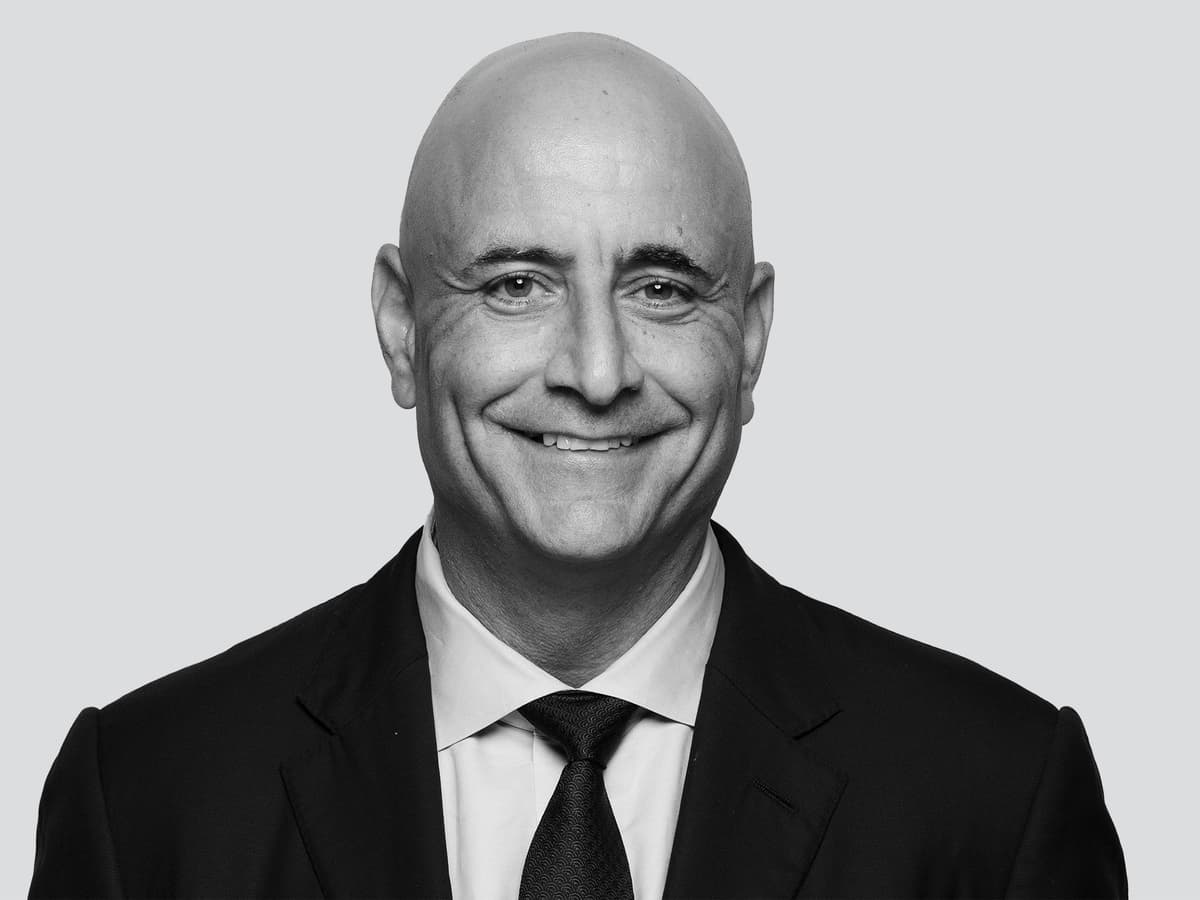
Adam HakkiAdam HakkiA&O Shearman
Firm leaders when the agreements were announced. Who negotiated and approved each term remains a separate question.

Trump announces a joint $500 million commitment from Kirkland, Latham, Simpson Thacher and A&O Shearman. The language includes pro bono and other free legal services during the administration and beyond, political diversity in representation, employment commitments and independent outside counsel. It also links the deal to withdrawal of the March 17 EEOC letters.

More detail and evidence

Presidential announcement

Context. This agreement expressly uses broader service language than ordinary charitable pro bono. All 4 firms were original EEOC recipients.

What remains unclear. Each firm’s negotiations, approvals and implementation require its own record; the joint announcement supplies no complete comparison.

Deal
Cadwalader logo
Cadwalader

Cadwalader’s separate $100 million agreement completes the 9

Trump separately announces Cadwalader’s $100 million commitment. The 5 April 11 agreements add $600 million, bringing the 9-firm announced total to $940 million. Cadwalader was not one of the original 20 EEOC-letter recipients.

More detail and evidence

Announcement corroborated by reporting

Context. The April 11 announcements consist of a joint $500 million pledge by 4 firms and Cadwalader’s separate agreement. Only the 4-firm group entered the EEOC settlement described here.

What remains unclear. The full private exchange, all approvals and the enforceable consequences of nonperformance are not established here.

EEOC
Kirkland & Ellis logoLatham & Watkins logoSimpson Thacher & Bartlett logoA&O Shearman logo
Kirkland & Ellis · Latham & Watkins · Simpson Thacher & Bartlett · A&O Shearman

A separate EEOC settlement carries employment and monitoring obligations

The EEOC announces a multiyear settlement with the 4 firms, without admissions of liability. Beyond commitments against unlawful preferences, it says even lawful employment practices will no longer be categorized as DEI. It also requires compliance monitoring.

More detail and evidence

Primary agency announcement

Context. The settlement adds restrictions on DEI branding and compliance monitoring to commitments concerning existing discrimination law.

What remains unclear. The agency calls the resolution voluntary. The pressure surrounding the agreement remains a separate question.

Litigation
Susman Godfrey logo
Susman Godfrey

Susman chooses litigation and obtains interim protection

Susman files its challenge on April 11 and receives temporary protection on April 15. Its case becomes the fourth direct challenge to a punitive firm order.

More detail and evidence

Judicial record

Context. Court challenges and negotiations continued during the same period.

What remains unclear. Susman’s choice establishes that litigation was an available response. Comparisons with other firms still need to account for their different clients, risks and circumstances.

Deal
Cadwalader logo
Cadwalader

Cadwalader’s terms preserve intake and conflicts qualifications

The published commitments include a pro bono committee, political breadth in work, employment counsel and consideration of candidates across administrations. The representation provision expressly refers to the firm’s intake and conflicts procedures and capabilities. Its time period extends through the administration and beyond.

More detail and evidence

Announcement preserved in a court exhibit

Context. The intake, conflicts and capabilities provisions qualify the firm’s commitment to accept representation.

What remains unclear. It does not establish that intake protections were honored in every instance or resolve the agreement’s enforcement mechanics.

Departures & dissent
Simpson Thacher & Bartlett logo
Simpson Thacher & Bartlett

Siunik Moradian gives notice in protest

Moradian announced his departure hours after the deal and said he wanted his career to oppose erosion of the legal system. Later interviews explained his plan to enter public defense despite a substantial pay reduction.

Source timing: Resignation announced 4.11.25 in his post and same-day reporting.

More detail and evidence

First-person explanation / public reporting

What remains unclear. The linked Bloomberg follow-up is dated August 7. Moradian explained his own objections; firm leaders’ private intentions remain unknown.

Departures & dissent
Kirkland & Ellis logo
Kirkland & Ellis

Jacqui Pittman gives notice in protest

Pittman told colleagues she had expected to stay and grow at Kirkland but could not remain after the agreement. Her public announcement explicitly connected her resignation to the firm’s settlement, and encouraged others who shared her concern to speak. She offered a 2-week transition in her letter.

Source timing: Notice: 4.11.25. Public announcement: 4.12.25, referring to the previous evening. The mirrored letter gives April 25 as her planned last day.

More detail and evidence

First-person explanation / public reporting

What remains unclear. April 11 is notice, April 12 public announcement. Planned April 25 end date has not been independently confirmed.

Departures & dissent
Latham & Watkins logo
Latham & Watkins

Sam Wong gives notice in protest

Wong said he would not stay after his firm made the agreement. His original letter offered 2 weeks to transition matters, but his public post said that day was his last. He explained his concern that remaining would make him complicit in the administration’s consolidation of power.

Source timing: His post gives 4.14.25 as both the day he resigned and his final day. His May 12 interview corroborates that account.

More detail and evidence

First-person explanation / public reporting

What remains unclear. Wong offered a 2-week transition in his letter. His public post says his employment ended that day.

Programs & access
Reed Smith logo
Reed Smith

Reed Smith retires its DEI program and moves offerings

Bloomberg Law reported a firmwide email from global managing partner Casey Ryan retiring Reed Smith’s DEI program and moving offerings under Culture & Engagement. The internal announcement and report were dated April 15.

More detail and evidence

Reporting based on an obtained firmwide email

Context. Reed Smith’s announcement described moving offerings to another program. It had received an EEOC letter and remained outside the White House deal group.

What remains unclear. Which services and employee groups continued remains unclear. The underlying email has not been independently obtained here.

Litigation
All 20 EEOC recipients

Students challenge collection of identifying information

3 anonymous law students sue the EEOC over the requests and potential disclosure of identifying information. Their suit raises authority and privacy objections to collecting data from their firms.

More detail and evidence

Litigation record

Context. Students and applicants had their own privacy interests at stake as the firms considered settling the employment investigation.

What remains unclear. The complaint challenged the demands. The case later ended in a stipulated dismissal without a ruling invalidating them.

Departures & dissent
Paul, Weiss logo
Paul, Weiss

Banks discusses his departure and the pressure behind the deals on CNN

Kaitlan Collins directly asked whether the agreement prompted his exit. Banks emphasized his age, new grandchild and desire to return to frontline advocacy, saying he had weighed the change since the election. He cited the Abrego Garcia deportation as illustrating why that work mattered. Asked to compare firms that settled with those that fought, he resisted making that division the central issue and instead focused on the person forcing institutions to make deals. He also rejected tariff and trade-agreement services as pro bono work.

Source timing: The Source with Kaitlan Collins, interview around 9:45 p.m. Eastern.

More detail and evidence

Direct televised interview; official rush transcript

What remains unclear. Banks described several reasons for the change and did not explicitly identify it as a protest resignation. CNN labels the transcript as a rush transcript.

Oversight
Kirkland & Ellis logoLatham & Watkins logoSimpson Thacher & Bartlett logoA&O Shearman logoCadwalader logo
Kirkland & Ellis · Latham & Watkins · Simpson Thacher & Bartlett · A&O Shearman · Cadwalader

The April 11 firms face follow-up questions

Blumenthal and Raskin extend their inquiries after the latest agreements. The Cadwalader letter asks about the circumstances, communications and terms and sets an April 28 response deadline.

More detail and evidence

Congressional correspondence

Context. The requests, response deadlines, answers and withheld material together provide a way to trace the investigation.

What remains unclear. The absence of a publicly located response leaves open whether the firm sent one privately.

Departures & dissent
Kirkland & Ellis logo
Kirkland & Ellis

Kevin Decker publicly explains a protest departure

Decker objected to a well-resourced firm choosing a deal while peer firms were challenging the orders. He said he wanted a new role defending the rule of law. In a subsequent interview he credited Cohen’s example with showing other associates that leaving was an option.

Source timing: Announcement: 4.21.25. His post places the departure in the previous week without giving an exact day.

More detail and evidence

First-person explanation / public reporting

What remains unclear. April 21 was his public announcement. He said he had left the previous week; the exact day is unconfirmed.

Firm response
Kirkland & Ellis logoPaul, Weiss logo
Kirkland & Ellis · Paul, Weiss

Kirkland denies poaching Paul, Weiss lawyers or clients

Meghan Tribe reported that Kirkland denied trying to poach Paul, Weiss lawyers or clients, in a response to lawmakers through partner W. Neil Eggleston. Separately, Sullivan & Cromwell said it had declined an unsolicited recruiting inquiry. That statement concerned recruiting and supplies no account of a request for legal assistance to Paul, Weiss.

Source timing: Published April 22, 2025; exact date of Kirkland’s response not established.

More detail and evidence

Original reporting on firm responses

What remains unclear. Kirkland’s complete response letter was not obtained. The report does not establish a specific request for representation that Kirkland refused.

Departures & dissent
Kirkland & Ellis logo
Kirkland & Ellis

Maggie Hagen publicly explains a protest departure

Hagen said the firm’s commitments on legal work and outside diversity audits jeopardized lawyers’ independence. She described interrupting a career she valued because she could not support that choice.

Source timing: Announcement: 4.23.25. She said she had decided to resign about 1 week earlier.

More detail and evidence

First-person explanation / public reporting

What remains unclear. Her account places the decision around April 16. Her final employment day remains unconfirmed.

Departures & dissent
Kirkland & Ellis logo
Kirkland & Ellis

Harold Grigsby III publicly explains a protest departure

Grigsby said the agreement and changes to diversity commitments drove his decision. He alleged the firm eliminated or reduced support for Sponsors for Educational Opportunity, affinity/resource groups, its yearly diversity summit and Afro Scholars. He feared politically controlled pro bono would crowd out work serving vulnerable communities.

Source timing: Announcement: 4.23.25. His post says he had recently resigned and gives no exact departure day.

More detail and evidence

First-person explanation / public reporting

What remains unclear. Grigsby’s claims about program cuts have not been independently confirmed through firm policy records. His immigration example concerned work he feared might be lost in the future.

Oversight
Profession-wide / government

House Oversight asks about the bargain and interfirm conduct

Connolly and Min seek records on the agreements, communications, intermediaries and coordination. The requests also probe the valuation of services, changes in operations and possible interactions among firms concerning the administration’s pressure.

More detail and evidence

Congressional correspondence

Context. The letters identify the documents lawmakers wanted. Whether any competitors reached an unlawful agreement remained an allegation requiring evidence.

What remains unclear. A negotiating coalition, an agreement to restrain competition and ordinary conversations among lawyers are legally and factually different.

Implementation
Profession-wide / government

The administration directs creation of legal resources for police

A White House initiative directs the attorney general to develop legal resources and indemnification for law-enforcement officers, including private-sector pro bono assistance.

More detail and evidence

Primary policy announcement

Context. This creates another potential category of work to compare with the original pledges and later assignment records.

What remains unclear. The 9 firms’ actual matter assignments and acceptance decisions remain unestablished by this announcement.

Litigation
Perkins Coie logo
Perkins Coie

Perkins Coie wins a permanent injunction

Judge Beryl Howell grants final district-court relief against the Perkins order. Her opinion treats the restrictions as unconstitutional retaliation against the firm’s representations and speech, with consequences for clients’ access to counsel.

More detail and evidence

Judicial finding

Context. A court has now held the challenged order unlawful.

What remains unclear. The ruling’s scope is this executive order. The validity of other firms’ agreements and any potential criminal liability remain separate questions.

Implementation
Kirkland & Ellis logoLatham & Watkins logoSimpson Thacher & Bartlett logoA&O Shearman logo
Kirkland & Ellis · Latham & Watkins · Simpson Thacher & Bartlett · A&O Shearman

Obtained agreements reveal a monitoring schedule

Bloomberg Law reports written terms requiring independent-counsel certification by July 11, then every 6 months through January 2029. The certifications are confidential and shareable with the White House. The EEOC retains authority over future ordinary charges, leaving the firms exposed to those proceedings.

Source timing: 2025-05-02 EDT / May 3 UTC

More detail and evidence

Reporting based on obtained documents

Context. The public White House announcement and the separate EEOC agreement need to be examined together.

What remains unclear. The report does not supply a public ledger of all pro bono assignments, billed values or sanctions for a disputed service obligation.

Departures & dissent
Skadden logo
Skadden

Rachel Cohen joins Lowell & Associates after leaving Skadden

Cohen announces that she has joined Lowell & Associates as strategic and external affairs coordinator, working with Abbe Lowell and fellow former Skadden lawyer Brenna Trout Frey. This is a historical role, rather than a claim about her current employment.

More detail and evidence

First-person statement / dated public record

The dated source records the announcement described above.

Departures & dissent
Paul, Weiss logo
Paul, Weiss

Jeh Charles Johnson announces retirement and a Columbia leadership role

Columbia announced Johnson's election as co-chair and his June 30 retirement. Johnson said he intended to devote time to Columbia and expressed appreciation for his Paul, Weiss colleagues. Reporting placed the move after the firm's deal; his statement offered no protest explanation.

Source timing: 5.5.25 announcement; retirement effective 6.30.25

More detail and evidence

Primary appointment record; motive unestablished

What remains unclear. Whether Johnson planned retirement before March 20 remains unconfirmed. His Columbia trustee role took effect April 24, before the May 5 retirement announcement but after the firm’s agreement. A June 13 Impolitic podcast description says he discussed the deal; its audio and transcript were not reviewed here.

Firm response
Profession-wide / government

The firms defend their agreements in congressional responses

Later congressional letters quote and describe May 8 responses defending the deals’ legality and continued control over work. Willkie’s response, as described in the July 10 letter, says it did not undertake pro bono engagements beyond work it was already performing and retained autonomy over clients and causes.

Source timing: July 10 letters recount May 8 responses

More detail and evidence

Firm position as quoted by lawmakers

Context. The firms’ accounts differ from the president’s in material respects. The complete response packet was not obtained.

What remains unclear. The complete May 8 response packet was unavailable. This account relies on the portions quoted and described in the later congressional letters.

Departures & dissent
Cadwalader logo
Cadwalader

Public reporting identifies J.B. Howard’s April protest resignation

Bloomberg’s May 9 account identifies counsel J.B. Howard as having resigned in protest and credits earlier Wall Street Journal reporting. In a later firsthand account, Howard says he liked the firm and wanted to remain but could not accept its agreement. His Morehead-Cain talk occurred October 19, 2025; its transcript was published February 2, 2026. Exact April departure day remains unverified.

Source timing: April departure; reported by 5.9.25; later firsthand account

More detail and evidence

Public personal explanation, directly or in attributed reporting

What remains unclear. Howard’s later talk gives his own reasons for leaving. It corroborates the April departure retrospectively and offers no account of other lawyers’ decisions.

Departures & dissent
Cadwalader logo
Cadwalader

Kenneth Breen and Phara A. Guberman prepare to join Foley

Bloomberg reported the pending move after reviewing an internal email and speaking with a person familiar with the discussions. An unnamed source said Cadwalader's Trump agreement contributed to the decision. Foley confirmed their arrival on May 12. Breen emphasized Foley's growing technology, cryptocurrency, healthcare and enforcement work; Guberman cited shared values and client focus.

Source timing: 5.9.25 reporting; 5.12.25 Foley announcement

More detail and evidence

Confirmed move; attributed reporting about possible motive

What remains unclear. The link to the agreement comes from Bloomberg’s unnamed source. Neither lawyer publicly gave that explanation in the materials reviewed. Cadwalader disputed claims of a broader retention crisis, citing its financial performance and 5 recent lateral hires, without addressing their individual motives.

Oversight
Profession-wide / government

A Senate inquiry asks whether the pledges could support fossil-fuel interests

Senator Sheldon Whitehouse opens an inquiry into the 9 agreements and the possible use of free legal resources for administration-backed interests, including fossil-fuel matters.

More detail and evidence

Congressional inquiry

Context. The scope of possible beneficiaries is an accountability question separate from the headline dollar amount.

What remains unclear. The senator alleges coercion or extortion. Those characterizations remain political and legal allegations without a criminal judgment here.

Implementation
Cadwalader logo
Cadwalader

A Cadwalader litigation leader proposes prosecutorial appeals work

Nicholas Gravante tells Bloomberg Law he plans to offer help to Brooklyn District Attorney Eric Gonzalez defending convictions. He says the firm could take 20 years to meet its pledge if necessary. The proposal illustrates how the open-ended time period and definition of qualifying work might operate.

Source timing: 2025-05-21; limiting follow-up September 4

More detail and evidence

On-record interview

Context. Gravante described proposed work. Approval and performance remained unestablished at the time of the interview.

What remains unclear. A September 4 follow-up, citing unnamed sources, reported that Quinn said the proposal had not cleared the pro bono committee. Implementation has not been established.

EEOC
Goodwin Procter logo
Goodwin Procter

Goodwin supplies fellowship data and describes program changes

Bloomberg Law obtains Goodwin’s responses: more than 200 pages supplied, withdrawal from Mansfield certification, an ended SEO fellowship relationship and LCLD participation suspended unless its criteria aligned with EEOC guidance. Goodwin described its fellowship data as anonymized because names were omitted. Removing names did not eliminate the risk of identifying people from the remaining details. Its April 15 correspondence also addressed a parallel request from Texas Attorney General Ken Paxton’s coalition.

Source timing: 2025-05-22; correspondence April 15 and earlier changes

More detail and evidence

Reporting based on obtained documents

Context. June reporting described race, sex, law school, GPA, office and hiring outcomes in the spreadsheets, including very small cohorts. Former EEOC chair Jenny Yang warned that people could be identified despite the omission of names.

What remains unclear. Goodwin was outside the 9 deals. Other firms’ disclosures and the legality of Goodwin’s earlier programs cannot be determined from its response.

Litigation
Jenner & Block logo
Jenner & Block

Jenner & Block wins final district-court relief

Judge John Bates permanently blocks the Jenner order, finding unconstitutional retaliation and separation-of-powers problems. The opinion examines the use of government restrictions against a firm for its protected work and associations.

More detail and evidence

Judicial finding

Context. A second court rejects the sanctions model after the major deal announcements.

What remains unclear. This is a district-court judgment. Supreme Court review and the validity of private negotiations are outside its disposition.

Departures & dissent
Paul, Weiss logo
Paul, Weiss

4 senior Paul, Weiss litigators announce a new firm

The 4 told colleagues they would start a new law firm. Reuters reviewed their internal email, which did not mention the Trump agreement. Bloomberg, citing a colleague, reported that some departing lawyers had privately supported the deal. An anonymous Paul, Weiss partner told Law.com that Dunn and Rhee supported the agreement but wanted freedom to sue the administration. The founders themselves gave no public protest explanation.

Source timing: May 23 announcement; Law.com account in May 28 print edition.

More detail and evidence

Confirmed departure; anonymous-source reporting about motive

What remains unclear. The email leaves the agreement’s role unexplained. Reports of private support for the deal and existing team relationships suggest reasons that may have overlapped.

Litigation
WilmerHale logo
WilmerHale

WilmerHale wins final district-court relief

Judge Richard Leon rules for WilmerHale and permanently enjoins its order. The date and outcome are corroborated by the litigation repository and the subsequent Susman opinion.

More detail and evidence

Judicial disposition corroborated

Context. The first 3 challengers now have final district-court victories following their earlier temporary relief.

What remains unclear. The underlying WilmerHale opinion was unavailable here. The cited repository and Susman opinion establish the date and result; the full reasoning still requires review.

Programs & access
Skadden logo
Skadden

Kathleen Rubenstein resigns as Skadden Foundation executive director

Rubenstein publicly announced her resignation after 6 years leading the foundation that administers the Skadden Fellowship Program. In her own statement, she said the firm had fallen short in supporting public-interest advocacy and expressed hope it would respect the rule of law and the foundation’s values. Contemporary reporting said founding director Susan Plum would return as interim executive director.

Source timing: Public announcement: June 4, 2025. Reporting: June 4 and 5; exact effective departure date not independently established.

More detail and evidence

First-person resignation statement, with contemporary reporting and foundation response

Context. The program’s executive director publicly criticized the firm as she announced her departure, following the March 28 deal’s fellowship provisions.

What remains unclear. The exact effective departure date, private deliberations and full set of disagreements remain undisclosed. Her departure alone provides no basis to conclude that the fellowship program closed.

Departures & dissent
Paul, Weiss logo
Paul, Weiss

Damian Williams moves to Jenner & Block

Jenner announced Williams's appointment June 6. He praised its advocacy, values and willingness to take difficult fights. Reuters noted that the announcement omitted both Jenner's challenge to Trump and Paul, Weiss's agreement. Williams was unavailable for further comment.

Source timing: 6.6.25 Jenner announcement

More detail and evidence

Primary appointment record; motive unestablished

What remains unclear. The appointment offered leadership roles and professional opportunities. Whether the Trump deal was a decisive reason for leaving remains unknown.

Departures & dissent
Skadden logo
Skadden

Rachel Cohen receives the inaugural Konrad Redeker prize

Redeker Sellner Dahs names Cohen the first recipient of its prize for Rule of Law, Courage, and Resilience, recognizing her opposition to pressure on the legal profession.

More detail and evidence

First-person statement / dated public record

The dated source records the announcement described above.

EEOC
Goodwin Procter logo
Goodwin Procter

A former EEOC chair warns that nameless Goodwin data could identify people

Former EEOC chair Jenny Yang warned that people could be identified from Goodwin’s disclosed data even after names were removed, particularly in small groups. The reported spreadsheets included race, sex, law school, GPA, office and hiring outcomes. Those details could be matched with other information to work out who a row described.

Source timing: June 11, 2025 print edition; report concerns the earlier April disclosure.

More detail and evidence

Contemporaneous reporting and attributed legal positions

What remains unclear. The reporting establishes a reidentification risk. It does not document a particular person being identified, and the complete production has not been independently examined.

Departures & dissent
Willkie Farr & Gallagher logo
Willkie Farr & Gallagher

7 Willkie partners join Cooley

Cooley confirmed all 7 hires. Reuters cited a New York Times report, based on an unnamed source, that Agnolucci and Hur had expressed disappointment internally about Willkie’s agreement. Reuters could not independently confirm that account, and the 2 partners did not respond to its requests. Their Cooley statements emphasized the firm and its litigation colleagues. Cooley CEO Rachel Proffitt told Law.com that discussions intensified 6 to 8 weeks before the move.

Source timing: 6.13.25 Cooley announcement

More detail and evidence

Confirmed move; attributed reporting about possible motive

What remains unclear. The dissatisfaction described in reporting concerns the 2 team leaders. The other 5 partners’ personal reasons remain unknown. Cooley’s representation of Jenner & Block and Proffitt’s account provide context for the move, while leaving each lawyer’s decision unexplained.

Litigation
Profession-wide / government

The ABA challenges the broader intimidation policy

The ABA sues the government and numerous agencies in D.D.C., case 1:25-cv-01888. Its complaint challenges the wider policy toward the legal profession and describes difficulty securing representation. The claim extends across the profession, including conduct beyond any individual firm’s order.

More detail and evidence

Complaint / plaintiff announcement

Context. Potential harm includes cases never brought and clients unable to find willing counsel, which ordinary case-win counts would miss.

What remains unclear. The complaint states the ABA’s allegations. Its later procedural history is not resolved here.

Departures & dissent
Cadwalader logo
Cadwalader

Ellen Holloman leaves Cadwalader

Bloomberg and Reuters covered Holloman’s move alongside other departures from firms that had made deals. Her new firm’s announcement emphasized litigation and the rule of law. Roberta Kaplan told B-17 that she and Timothy Martin had worked with Holloman for 3 years and had already been trying to recruit her.

Source timing: 6.17.25 arrival reporting

More detail and evidence

Confirmed move; causal connection unestablished

What remains unclear. The materials reviewed contain no statement from Holloman that the Trump deal caused her exit. Kaplan’s account establishes earlier recruitment efforts. Holloman’s own reasons for joining remain unclear.

Programs & access
Skadden logo
Skadden

Skadden changes questions for prospective 2026 fellows

Law.com reported that the foundation’s application criteria for prospective 2026 fellows no longer asked about public-interest work addressing systemic racism. Its report also identified website changes and carried interim director Susan Plum’s defense of the foundation’s nonpartisan approach.

Source timing: June 24, 2025 print edition. Exact date the application question was removed not established.

More detail and evidence

Reporting on application materials and the interim director’s public statement

Context. The application changes add evidence about the fellowship process after the agreement, alongside the separate resignation and employee-group developments.

What remains unclear. Project rejections, selection outcomes and any restrictions on racial-justice work still require evidence. Former fellows’ predictions describe anticipated consequences; actual selections would show what happened.

Litigation
Susman Godfrey logo
Susman Godfrey

Susman’s victory completes 4 district-court defeats for the orders

Judge Loren AliKhan permanently enjoins the Susman order. Her opinion rejects retaliation against the firm and records the absence of an advance opportunity to respond to the government’s accusations.

More detail and evidence

Judicial finding

Context. All 4 firms that brought direct challenges have now won final district-court relief. Paul, Weiss’s earlier revocation came through its agreement.

What remains unclear. The 4 judgments concern the challenged orders. The private negotiation records remain incomplete, and subsequent appeals have their own procedural history.

Departures & dissent
Paul, Weiss logo
Paul, Weiss

The documented Paul, Weiss-to-DIR partner total reaches 11

By June 30, reported Paul, Weiss partner transfers to DIR totaled 11, including the 4 founders. Kyle Smith followed in late May; Rush Atkinson announced June 8; Melissa Felder Zappala June 9; Martha Goodman and Amy Mauser announced June 15 and 16; Meredith Dearborn and Erin Morgan were reported joining June 30. Bloomberg also named associates Erica Spevack, Leah Hibbler, Lyle Gruby, Elizabeth Brandt, Ben Cabranes, Bryon Becker, Annelise Corriveau and Anita Liu.

Source timing: Follow-on announcements and reporting: late May through June 30.

More detail and evidence

Named contemporaneous movement reporting

What remains unclear. The 11 includes the 4 founders. The later arrivals joined an established team; their individual views on the agreement remain unknown. The dates record announcements and reporting, and final employment dates remain unconfirmed where indicated.

Departures & dissent
Simpson Thacher & Bartlett logo
Simpson Thacher & Bartlett

Taylor Wettach publicly connects his May departure to Simpson’s agreement

Wettach told local reporters he could not remain after Simpson’s agreement, left in May and moved back to Muscatine. His July 8 congressional launch video used leaving the firm as part of his introduction; he later discussed the decision in a televised interview.

Source timing: IPR places his departure in May 2025 without an exact day. His campaign launch and public explanation followed on 7.8.25.

More detail and evidence

First-person explanation / public reporting

What remains unclear. Wettach left in May 2025, after Simpson’s April agreement. His public campaign account followed in July.

Oversight
All 20 EEOC recipients

Lawmakers press the EEOC for its own records

Scott, Raskin and Blumenthal seek the agency’s communications, legal basis, settlements and records of information received from the firms. Their questions include White House and Justice Department involvement.

More detail and evidence

Congressional correspondence

Context. The EEOC’s own records could establish what the agency requested, received and agreed with the firms.

What remains unclear. What the agency subsequently produced or withheld remains unestablished by the demand.

Oversight
Profession-wide / government

Lawmakers ask firms to resolve competing accounts of the bargain

Min and McClain Delaney’s dated follow-up letters address the gap between firms’ claims of autonomy and Trump’s public descriptions. They seek specific clarification or disavowal of his account.

Source timing: Letters dated July 10; publicized July 14

More detail and evidence

Congressional correspondence

Context. Whether the parties understood the same bargain is central to contract interpretation, political accountability and the possibility of continuing pressure.

What remains unclear. The letters raise potential civil, criminal and ethics issues without adjudicating them. A failure to answer does not establish those allegations.

Departures & dissent
Paul, Weiss logo
Paul, Weiss

DIR’s formal launch follows weeks of reported team departures

DIR publicly launched with 26 lawyers, including 3 associates whose future starts were included, and at least 13 partners. Most but not all came from Paul, Weiss. Its spokesperson expected work adverse to the administration and said some such work already existed for commercial clients. The report did not establish how the agreement affected each founder's decision. It also relayed Karp's account that some connected lawyers were encouraged to leave, his claim that major matters were still being generated internally, and his stated confidence in the firm's health.

Source timing: Formal office/website launch; Law.com report reprinted July 18

More detail and evidence

Attributed firm statements and direct reporting

What remains unclear. The launch roster of 26 includes lawyers from several firms. DIR had announced its formation on May 23, before the July launch. Karp’s internal remarks come from reporting; an independent meeting record was unavailable.

Negotiations
Kirkland & Ellis logoLatham & Watkins logoSimpson Thacher & Bartlett logoA&O Shearman logo
Kirkland & Ellis · Latham & Watkins · Simpson Thacher & Bartlett · A&O Shearman

Reuters reports that Kirkland sought a negotiating coalition

Reuters reports, citing 2 sources, that Kirkland approached firms about a negotiating coalition in April; 3 joined and others declined. Its account identifies Jon Ballis and Mark Filip in Kirkland’s internal discussions. The firm and the named lawyers did not respond to its requests for comment.

Source timing: 2025-07-31; underlying discussions in April

More detail and evidence

Attributed investigative reporting

Context. The reported coalition raises questions about which firms negotiated together and what they agreed among themselves.

What remains unclear. It does not establish a client-allocation agreement, hiring restraint or other unlawful collusion.

Consequences
Profession-wide / government

Reuters documents changes to DEI language and pro bono descriptions

Reuters reports interviews with more than 60 lawyers, website reviews and nonprofit outreach. It identifies changed DEI language at 46 of 50 firms and altered pro bono descriptions at 17, plus accounts of hesitation over contentious work.

More detail and evidence

Investigative reporting

Context. This supports examining a broader chilling effect, including firms without deals.

What remains unclear. Whether programs ended requires operational records. Anonymous accounts and differently sized litigation samples leave each deal’s causal effect on its firm unresolved.

Negotiations
Kirkland & Ellis logoSimpson Thacher & Bartlett logo
Kirkland & Ellis · Simpson Thacher & Bartlett

Brian Ballard publicly identifies his role for Kirkland and Simpson

At a Bloomberg roundtable, lobbyist Brian Ballard says he represented Kirkland and Simpson Thacher in resolving the administration’s investigations. He defends reaching agreements as commercially sensible and confirms Kirkland did government trade work. The firms did not respond to Bloomberg’s requests for comment.

Source timing: 2025-09-04 report of September 3 roundtable

More detail and evidence

On-record participant account

Context. Ballard identifies himself as an intermediary and explains why he supported reaching agreements. His mandate and files could help establish what happened.

What remains unclear. Ballard expressly speaks in his personal capacity. His clients’ positions and independent evidence of the bargain’s business consequences still require their own records.

Consequences
Latham & Watkins logoWillkie Farr & Gallagher logoMilbank logo
Latham & Watkins · Willkie Farr & Gallagher · Milbank

Some settling firms bring new cases against the administration

Reuters identifies post-deal cases against the administration involving Latham’s wind-project client, Willkie’s school-system clients and Milbank’s tariff and local-government work.

More detail and evidence

Reporting based on court records

Context. The evidence contradicts a blanket claim that the settling firms stopped opposing the administration altogether.

What remains unclear. Visible cases cannot reveal all matters declined, delayed or narrowed. Continued litigation and selective chilling can coexist.

Departures & dissent
Paul, Weiss logo
Paul, Weiss

DIR founders discuss independence but decline to discuss the agreement

Dunn, Isaacson and Rhee discussed independence and the benefits of their existing team relationships. They declined to discuss Paul, Weiss's Trump agreement. Bloomberg reported that DIR and Paul, Weiss remained co-counsel on at least 6 existing matters, while DIR took politically sensitive work. Their account supports the importance of independence and continuing working relationships, while leaving the deal's role in their departures unanswered.

Source timing: Later interview explaining the founders’ approach, published after the March-August departure period.

More detail and evidence

Attributed firm statements and direct reporting

What remains unclear. The article page is dated September 16, 2025, with an update that afternoon. July 29 belongs to a related story that appeared in search results.

Oversight
Paul, Weiss logoKirkland & Ellis logo
Paul, Weiss · Kirkland & Ellis

Congressional requests turn toward actual services and conflicts

Renewed requests ask for records explaining implementation and government representations. Law.com’s September 26 account describes continued firm defenses and lawmakers’ dissatisfaction with earlier responses.

Source timing: 2025-09-26 reporting on September 24 letters

More detail and evidence

Congressional chronology / reporting

Context. By autumn, investigators were also examining how the March and April commitments were being carried out.

What remains unclear. The public correspondence does not provide a complete ledger of engagements, conflicts reviews or privilege assertions.

Departures & dissent
Skadden logo
Skadden

Cohen announces the American Demands policy project

Cohen announces American Demands, a grassroots policy project developed with collaborators. She describes collective work and says she is not announcing a candidacy for office.

More detail and evidence

First-person statement / dated public record

A later magazine profile describes an October launch; her own dated September 30 announcement is used for this entry.

Implementation
Paul, Weiss logo
Paul, Weiss

Paul, Weiss distinguishes unpaid government work from its pledge

Law.com reports Karp telling lawmakers that any unpaid work for the administration would not count toward the firm’s $40 million commitment. Its stated pledge covers causes such as veterans, antisemitism and justice-system fairness.

More detail and evidence

Reported firm response

Context. Karp’s account treats unpaid government work and credit toward the announced pro bono pledge as separate categories.

What remains unclear. Engagement terms and time records would show whether Paul, Weiss followed that accounting position. Each other firm’s approach requires its own evidence.

Implementation
Simpson Thacher & Bartlett logoSkadden logoKirkland & Ellis logoPaul, Weiss logo
Simpson Thacher & Bartlett · Skadden · Kirkland & Ellis · Paul, Weiss

Commerce confirms Simpson Thacher is handling work

A Commerce official confirms to Bloomberg Law that Simpson Thacher is handling work while final terms are still being settled. Skadden advised Intel in the government’s investment in the company. The report also discusses earlier reporting that Paul, Weiss and Kirkland had been tapped for Commerce work.

More detail and evidence

On-record agency confirmation / reporting

Context. Commerce’s confirmation establishes that Simpson Thacher was performing government work after the agreement.

What remains unclear. The report does not show the amount credited to each pledge, establish that all such work was free or supply a completed agreement for every engagement.

Oversight
Profession-wide / government

American Oversight sues for implementation records

American Oversight files D.D.C. case 1:25-cv-04302 against Commerce and DOJ after October FOIA requests. Bloomberg Law reports that the suit seeks records showing how the deals were implemented and alleges missed statutory response deadlines.

More detail and evidence

Reported complaint

Context. Agency records offer another route to establish what services were requested and performed, independent of firms’ descriptions.

What remains unclear. Whether particular undisclosed documents exist, and which records are exempt from disclosure, remain questions for the FOIA process.

2026 follow-up
All 20 EEOC recipients

The student-data case ends without a merits ruling on the demands

The parties stipulated to dismissal with prejudice. The EEOC reaffirmed that responses were voluntary, most firms supplied nothing and the response period had closed. It also said the material received contained no names, email addresses, phone numbers or other personally identifying employee or applicant information.

That was the agency’s representation. The dismissal made no finding that the disclosed data could not identify someone. Jenny Yang’s warning about Goodwin’s small cohorts remains relevant: combinations of demographic and educational details can reveal an identity after names are removed.

More detail and evidence

Primary court filing, ECF 43, paragraphs 1 to 4

Context. The case ended without a merits ruling on the demands or a determination that the disclosures protected applicants’ identities.

What remains unclear. Client disclosures and the risk of identifying people from the remaining attributes were unresolved by the stipulation.

2026 follow-up
Perkins Coie logoJenner & Block logoWilmerHale logoSusman Godfrey logo
Perkins Coie · Jenner & Block · WilmerHale · Susman Godfrey

DOJ reverses a move to abandon its appeals

After seeking dismissal of its appeals on March 2, DOJ reverses course on March 3. Perkins Coie’s dated statements record both events and say no explanation was offered to the firms or court.

More detail and evidence

Firm statements / corroborating reporting

Context. The March 3 reversal must be included in any account of the government’s March 2 attempt to end the appeals.

What remains unclear. The latest appellate milestone verified in this account is the May 14 oral argument. Any later disposition remains unchecked.

2026 follow-up
Perkins Coie logoJenner & Block logoWilmerHale logoSusman Godfrey logo
Perkins Coie · Jenner & Block · WilmerHale · Susman Godfrey

The 4 challengers appear in the D.C. Circuit

Perkins Coie’s public statement records joint oral argument by the 4 firms in the government’s appeals on May 14.

More detail and evidence

Dated firm statement

Context. The appeals followed the final district-court rulings.

What remains unclear. May 14 is the latest appellate milestone checked here. The possibility of a later ruling remains open.

2026 follow-up
Kirkland & Ellis logo
Kirkland & Ellis

Lawmakers renew the demand for Kirkland’s records

Schiff, Raskin and Blumenthal challenge Kirkland’s privilege and confidentiality positions, recount earlier requests and a May 28 response, and set an October 29 deadline. They allege that responsive records have not been produced and ask about negotiations, client contacts and government representations.

Source timing: Letter dated October 15, 2026; official release published October 16.

More detail and evidence

Attributed congressional account

Context. The investigation and records dispute continued. No hearing date or witness list was confirmed by this letter.

What remains unclear. The complete Kirkland responses and any production after October 29 were not obtained. The lawmakers’ account of noncooperation and their privilege objections have not been adjudicated in this record.

The people who left

Who left, and what they said

These lawyers left during or after the dispute over the agreements. Some explained their decisions publicly; others appeared in reporting about the fallout. Each entry links to the available statements and coverage. A team move counts as 1 case. Further departures may exist beyond the cases documented here.

When a lawyer explained the decision

A resignation letter or interview gives us the lawyer’s explanation. Where reporting relies on other sources, the entry identifies who supplied the account.

When the reason is less clear

The timing of a move leaves its cause unresolved. Where reporting describes earlier recruitment, longstanding practice tensions or planned retirement, those explanations appear in the entry.

Public protest statement

3.20.25 conditional notice; Skadden deal 3.28.25

Rachel Cohen
Portrait source ↗

Rachel Cohen

Third-year finance associate (Chicago) · Skadden

Cohen resigned over the Paul, Weiss settlement and Skadden’s failure to oppose the administration. Her notice came before Skadden’s own March 28 deal.

Public statement, coverage and limits

Cohen demanded institutional opposition to the administration’s attacks on lawyers and tendered conditional notice. She later told Congress that Paul, Weiss’s settlement convinced her firm leaders were not acting together. Skadden’s own deal followed 8 days later. Her notice was accepted; contemporary Bloomberg coverage still described her as on 2-week notice.

After the resignation

In May 2025, Cohen joined Lowell & Associates as strategic and external affairs coordinator. She received the inaugural Konrad Redeker prize in June, continued public organizing, and announced American Demands with collaborators on September 30. Chicago Magazine later documented her coverage of immigration-enforcement protests and explanations of related litigation.

What remains unclear: March 20 is the date of her conditional notice. Her final employment day remains unconfirmed; Skadden reached its agreement on March 28.

Read the dated timeline entry →
Public protest statement

3.28.25 notice and public statement

Brenna Trout Frey
Portrait source ↗

Brenna Trout Frey

Senior associate, mass torts/insurance/consumer litigation (Washington, D.C.) · Skadden

Frey said she was leaving because of Skadden’s March 28 agreement.

Public statement, coverage and limits

Frey publicly objected to Jeremy London’s explanation of the agreement and said continued employment was incompatible with her obligation to uphold the rule of law. Her later Bloomberg commentary focused on the consequences of presidential influence over pro bono choices.

What remains unclear: Her original post and reporting from late Friday place the announcement on March 28; some later reports use March 29. The University of Delaware biography supports her historical office and practice, but its employer listing is out of date.

Read the dated timeline entry →
Public protest statement

3.31.25 resignation; 4.4.25 WBUR interview; 4.7.25 The Daily

Thomas Sipp
Portrait: Thomas Sipp’s profile ↗

Thomas Sipp

Litigation associate; began September 2023 (New York) · Skadden

Sipp said Skadden’s March 28 agreement led him to leave.

Public statement, coverage and limits

Sipp said Skadden’s pro bono and diversity commitments helped attract him to the firm. After the agreement, he reconsidered whether he could stay, drafted his resignation over the weekend and announced his departure. In his public letter, he also alleged that the firm restricted firmwide email discussions.

What remains unclear: The reports dated April 1 and April 2 followed his resignation. The WBUR interview provides his own explanation and the date; the unofficial copy of his letter contains transcription errors.

Read the dated timeline entry →
Public protest statement

Publicly reported by 4.7.25; exact exit day unresolved

Andrew Silberstein

Associate, litigation/voting-rights matters (New York) · Willkie Farr & Gallagher

Silberstein left after Willkie’s April 1 agreement and publicly challenged the decision.

Public statement, coverage and limits

Silberstein’s departure letter asked why a firm with Willkie’s resources would not challenge the administration. He said the agreement compromised its principles. In a later account, he said his resignation email to more than 250 colleagues had been censored.

What remains unclear: His April 11 LinkedIn post says 'last Thursday,' leaving the precise day unclear. His departure had already been reported on April 7, so it occurred before April 10.

Read the dated timeline entry →
Public protest statement

4.11.25 resignation announcement

Siunik Moradian
Portrait source ↗

Siunik Moradian

Third-year corporate associate (Los Angeles) · Simpson Thacher & Bartlett

Moradian announced his resignation hours after Simpson’s April 11 agreement.

Public statement, coverage and limits

Moradian announced his departure hours after the deal and said he wanted his career to oppose erosion of the legal system. Later interviews explained his plan to enter public defense despite a substantial pay reduction.

What remains unclear: The linked Bloomberg follow-up is dated August 7. Moradian explained his own objections; firm leaders’ private intentions remain unknown.

Read the dated timeline entry →
Public protest statement

4.11.25 notice; 4.12.25 public announcement

Jacqui Pittman

Investment funds associate (Chicago) · Kirkland & Ellis

Pittman said she resigned because of Kirkland’s April 11 agreement.

Public statement, coverage and limits

Pittman told colleagues she had expected to stay and grow at Kirkland but could not remain after the agreement. Her public announcement explicitly connected her resignation to the firm’s settlement, and encouraged others who shared her concern to speak. She offered a 2-week transition in her letter.

What remains unclear: April 11 is notice, April 12 public announcement. Planned April 25 end date has not been independently confirmed.

Read the dated timeline entry →
Public protest statement

4.14.25 notice and final day, according to his statement

Sam Wong
Portrait source ↗

Sam Wong

Second-year associate, energy regulation/climate/environmental law (Washington, D.C.) · Latham & Watkins

Wong said he could not stay at Latham after its April 11 agreement.

Public statement, coverage and limits

Wong said he would not stay after his firm made the agreement. His original letter offered 2 weeks to transition matters, but his public post said that day was his last. He explained his concern that remaining would make him complicit in the administration’s consolidation of power.

What remains unclear: Wong offered a 2-week transition in his letter. His public post says his employment ended that day.

Read the dated timeline entry →
Public protest statement

4.21.25 announcement; departure the previous week

Kevin Decker

Third-year litigation associate (Washington, D.C.) · Kirkland & Ellis

Decker attributed his departure to Kirkland’s decision to cooperate with the president.

Public statement, coverage and limits

Decker objected to a well-resourced firm choosing a deal while peer firms were challenging the orders. He said he wanted a new role defending the rule of law. In a subsequent interview he credited Cohen’s example with showing other associates that leaving was an option.

What remains unclear: April 21 was his public announcement. He said he had left the previous week; the exact day is unconfirmed.

Read the dated timeline entry →
Public protest statement

4.23.25 announcement; decision about 1 week earlier

Maggie Hagen

Litigation associate (Washington, D.C.) · Kirkland & Ellis

Hagen said the agreement’s terms threatened lawyers’ professional independence.

Public statement, coverage and limits

Hagen said the firm’s commitments on legal work and outside diversity audits jeopardized lawyers’ independence. She described interrupting a career she valued because she could not support that choice.

What remains unclear: Her account places the decision around April 16. Her final employment day remains unconfirmed.

Read the dated timeline entry →
Public protest statement

4.23.25 announcement; exact resignation day unstated

Harold Grigsby III
Portrait source ↗

Harold Grigsby III

Litigation associate (Washington, D.C.) · Kirkland & Ellis

Grigsby said the Trump agreement and reductions in diversity programs led him to leave.

Public statement, coverage and limits

Grigsby said the agreement and changes to diversity commitments drove his decision. He alleged the firm eliminated or reduced support for Sponsors for Educational Opportunity, affinity/resource groups, its yearly diversity summit and Afro Scholars. He feared politically controlled pro bono would crowd out work serving vulnerable communities.

What remains unclear: Grigsby’s claims about program cuts have not been independently confirmed through firm policy records. His immigration example concerned work he feared might be lost in the future.

Read the dated timeline entry →
Public protest statement

May 2025 departure; 7.8.25 public campaign account

Taylor Wettach
Portrait source ↗

Taylor Wettach

Associate, international trade and national security (Washington, D.C.) · Simpson Thacher & Bartlett

Wettach said Simpson’s Trump deal prompted him to leave and return to Iowa.

Public statement, coverage and limits

Wettach told local reporters he could not remain after Simpson’s agreement, left in May and moved back to Muscatine. His July 8 congressional launch video used leaving the firm as part of his introduction; he later discussed the decision in a televised interview.

What remains unclear: Wettach left in May 2025, after Simpson’s April agreement. His public campaign account followed in July.

Read the dated timeline entry →
Public criticism, qualified explanation

4.9.25 announcement; 4.17.25 CNN interview

Steven Banks

Pro bono practice leader · Paul, Weiss

Banks said he wanted to return to frontline public-interest advocacy.

Public statement, coverage and limits

Asked directly about the deal by Kaitlan Collins, Banks emphasized returning to frontline advocacy and criticized the administration forcing institutions into agreements. He said: “The problem is the person who is forcing them to make those deals.”

What remains unclear: Banks said he had been weighing the change since the election. His account does not identify the agreement as the sole reason for leaving.

Read the dated timeline entry →
Reported connection to the deal

5.23.25 departure announcement

Karen Dunn, Bill Isaacson, Jeannie Rhee and Jessica Phillips

Senior litigation partners; founders of Dunn Isaacson Rhee · Paul, Weiss

The 4 founders left together. Contemporary reporting linked the move to the freedom to litigate against the administration.

Public statement, coverage and limits

Reuters reviewed a departure email that did not mention the deal. An anonymous Paul, Weiss partner told Law.com that the lawyers wanted freedom to sue the administration, and that Dunn and Rhee had supported the agreement. The founders have not publicly explained the deal’s role in their decision.

What remains unclear: The 4 founders did not publicly describe the move as a protest against the deal. In a later interview, they discussed independence but declined to address the agreement.

Read the dated timeline entry →
Same period; motive unconfirmed

Late May through 6.30.25

The additional DIR partners and associates

7 further partners and 8 named associates in contemporary reports · Paul, Weiss

7 more partners and 8 named associates followed the founders to DIR.

Public statement, coverage and limits

By June 30, reported Paul, Weiss partner transfers to DIR totaled 11, including the 4 founders. Kyle Smith followed in late May; Rush Atkinson announced June 8; Melissa Felder Zappala June 9; Martha Goodman and Amy Mauser announced June 15 and 16; Meredith Dearborn and Erin Morgan were reported joining June 30. Bloomberg also named associates Erica Spevack, Leah Hibbler, Lyle Gruby, Elizabeth Brandt, Ben Cabranes, Bryon Becker, Annelise Corriveau and Anita Liu.

What remains unclear: The sources reviewed contain no personal statement from these lawyers linking their departures to protest against the deal.

Read the dated timeline entry →
Same period; motive unconfirmed

6.6.25 Jenner announcement

Damian Williams

Paul, Weiss partner; former U.S. Attorney for the Southern District of New York · Paul, Weiss

Williams moved to Jenner, which was challenging Trump’s order, after Paul, Weiss settled. He praised his new firm’s values without explaining whether the deal affected his move.

Public statement, coverage and limits

Jenner announced Williams's appointment June 6. He praised its advocacy, values and willingness to take difficult fights. Reuters noted that the announcement omitted both Jenner's challenge to Trump and Paul, Weiss's agreement. Williams was unavailable for further comment.

What remains unclear: The appointment offered leadership roles and professional opportunities. Whether the Trump deal was a decisive reason for leaving remains unknown.

Read the dated timeline entry →
Same period; motive unconfirmed

5.5.25 announcement; retirement effective 6.30.25

Jeh Charles Johnson

Paul, Weiss litigation partner; former Secretary of Homeland Security · Paul, Weiss

Johnson said he was retiring to devote time to Columbia. He did not describe the decision as a protest against the deal.

Public statement, coverage and limits

Columbia announced Johnson's election as co-chair and his June 30 retirement. Johnson said he intended to devote time to Columbia and expressed appreciation for his Paul, Weiss colleagues. Reporting placed the move after the firm's deal; his statement offered no protest explanation.

What remains unclear: Whether Johnson planned retirement before March 20 remains unconfirmed. His Columbia trustee role took effect April 24, before the May 5 retirement announcement but after the firm’s agreement. A June 13 Impolitic podcast description says he discussed the deal; its audio and transcript were not reviewed here.

Read the dated timeline entry →
Public protest statement

4.9.25 reporting; exact last day unresolved

Joseph T. Baio

Senior counsel; former partner and executive-committee member; 47 years at the firm. · Willkie Farr & Gallagher

Baio objected to Willkie’s agreement in a message to its executive committee.

Public statement, coverage and limits

Above the Law reported Baio’s departure after the settlement and quoted his message to the executive committee: he wanted to “join the fight against governmental tyranny, unconstitutional decrees and social injustice.” Later Law.com coverage described him as senior counsel who retired in the days following the deal.

What remains unclear: Baio was senior counsel when he left, although some coverage described him as a partner. The original resignation letter was not independently obtained; his explanation is attributed to the report.

Read the dated timeline entry →
Public protest statement

April departure; reported by 5.9.25; later firsthand account

J.B. Howard
Portrait source ↗

J.B. Howard

Counsel; former Maryland deputy attorney general. · Cadwalader

Howard later explained that he wanted to stay at Cadwalader but could not accept its agreement.

Public statement, coverage and limits

Bloomberg’s May 9 account identifies counsel J.B. Howard as having resigned in protest and credits earlier Wall Street Journal reporting. In a later firsthand account, Howard says he liked the firm and wanted to remain but could not accept its agreement. His Morehead-Cain talk occurred October 19, 2025; its transcript was published February 2, 2026. Exact April departure day remains unverified.

What remains unclear: Howard’s later talk gives his own reasons for leaving. It corroborates the April departure retrospectively and offers no account of other lawyers’ decisions.

Read the dated timeline entry →
Reported connection to the deal

5.9.25 reporting; 5.12.25 Foley announcement

Kenneth Breen, Phara A. Guberman

White-collar litigation partners · Cadwalader

Bloomberg reported that Cadwalader’s agreement contributed to Breen and Guberman’s decision to join Foley.

Public statement, coverage and limits

Bloomberg reported the pending move after reviewing an internal email and speaking with a person familiar with the discussions. An unnamed source said Cadwalader's Trump agreement contributed to the decision. Foley confirmed their arrival on May 12. Breen emphasized Foley's growing technology, cryptocurrency, healthcare and enforcement work; Guberman cited shared values and client focus.

What remains unclear: The link to the agreement comes from Bloomberg’s unnamed source. Neither lawyer publicly gave that explanation in the materials reviewed. Cadwalader disputed claims of a broader retention crisis, citing its financial performance and 5 recent lateral hires, without addressing their individual motives.

Read the dated timeline entry →
Reported connection to the deal

6.13.25 Cooley announcement

Simona Agnolucci, Benedict Hur, Joshua Anderson, Tiffany Lin, Jonathan Patchen, Michael Rome, Eduardo Santacana

Litigation partners. Agnolucci and Hur led the San Francisco office; Agnolucci sat on Willkie's executive committee. · Willkie Farr & Gallagher

7 partners joined Cooley. Reporting described Agnolucci and Hur’s internal dissatisfaction with Willkie’s agreement.

Public statement, coverage and limits

Cooley confirmed all 7 hires. Reuters cited a New York Times report, based on an unnamed source, that Agnolucci and Hur had expressed disappointment internally about Willkie’s agreement. Reuters could not independently confirm that account, and the 2 partners did not respond to its requests. Their Cooley statements emphasized the firm and its litigation colleagues. Cooley CEO Rachel Proffitt told Law.com that discussions intensified 6 to 8 weeks before the move.

What remains unclear: The dissatisfaction described in reporting concerns the 2 team leaders. The other 5 partners’ personal reasons remain unknown. Cooley’s representation of Jenner & Block and Proffitt’s account provide context for the move, while leaving each lawyer’s decision unexplained.

Read the dated timeline entry →
Same period; motive unconfirmed

6.17.25 arrival reporting

Ellen Holloman

Litigation partner and pro bono committee chair; nearly 8 years at Cadwalader. · Cadwalader

Holloman left Cadwalader after the agreement. Kaplan said efforts to recruit her had already begun.

Public statement, coverage and limits

Bloomberg and Reuters covered Holloman’s move alongside other departures from firms that had made deals. Her new firm’s announcement emphasized litigation and the rule of law. Roberta Kaplan told B-17 that she and Timothy Martin had worked with Holloman for 3 years and had already been trying to recruit her.

What remains unclear: The materials reviewed contain no statement from Holloman that the Trump deal caused her exit. Kaplan’s account establishes earlier recruitment efforts. Holloman’s own reasons for joining remain unclear.

Read the dated timeline entry →
Public criticism, qualified explanation

6.4.25 public resignation announcement

Kathleen Rubenstein
Portrait source ↗

Kathleen Rubenstein

Executive director, Skadden Foundation · Skadden

Rubenstein’s resignation announcement criticized Skadden’s support for public-interest advocacy.

Public statement, coverage and limits

After 6 years leading the foundation, Rubenstein said Skadden had fallen short in supporting public-interest advocacy. Her announcement expressed hope that the firm would respect the rule of law and the foundation’s values. Contemporary reporting identified founding director Susan Plum as interim director.

What remains unclear: Rubenstein publicly explained her objections. Her private deliberations and the full set of disagreements remain undisclosed. Her resignation changed the foundation’s leadership; the fellowship program’s status requires separate evidence.

Read the dated timeline entry →
Findings by firm

Paul, Weiss

Banks described several reasons for leaving. Reporting linked the DIR founders’ move to independence, citing anonymous sources. Other partners and associates followed them. Williams and Johnson gave no verified protest explanation.

Skadden

Cohen, Frey and Sipp publicly explained their protest departures. Cohen gave notice before Skadden’s deal. Rubenstein separately criticized the firm when announcing her foundation departure. No additional partner protest explanation was verified.

Willkie Farr & Gallagher

Silberstein and senior counsel Baio publicly explained their objections. 7 partners moved to Cooley; the reported internal dissatisfaction concerned Agnolucci and Hur. The other 5 partners’ reasons remain unknown.

Milbank

The sources reviewed identified no associate, partner or senior leader who publicly left in protest. Private dissent and unreported departures remain outside this record.

Kirkland & Ellis

Pittman, Decker, Hagen and Grigsby publicly explained their resignations. Grigsby’s claims about program funding await independent confirmation. No named partner protest departure was verified.

Latham & Watkins

Sam Wong publicly explained that the agreement prompted him to leave. The reviewed sources identified no partner who gave a protest explanation.

Simpson Thacher & Bartlett

Moradian and Wettach publicly linked their departures to the agreement. Wettach left in May and gave his campaign account in July. No named partner protest departure was verified.

A&O Shearman

The sources reviewed identified no named protest departure. Merger integration and previously announced partner reductions offer other possible explanations for departures during this period.

Cadwalader

Howard later explained his protest resignation. Bloomberg linked Breen and Guberman’s move to the deal through a source. Kaplan said efforts to recruit Holloman had begun earlier; Neuman’s group was reported to be moving before the agreement.

The main review covers March through July 2025. Later accounts are dated separately. Where no public protest resignation was found, private objections or unreported departures may still have occurred. Entries include firm responses and alternative explanations where available.

Hall of Fame

The firms and lawyers who fought back

4 targeted firms went to court and won district-court orders blocking the administration’s sanctions. Other lawyers represented them, organized support and challenged the administration publicly. Their decisions deserve a place in this history.

Perkins Coie logo
Challenged its executive order

Perkins Coie

Perkins Coie filed suit on March 11, the first of the targeted firms to challenge its executive order in court. On May 2, Judge Beryl Howell permanently blocked the order. Williams & Connolly represented the firm.

Honorable mention

The firms that backed Perkins Coie

These firms put their names on an amicus brief supporting Perkins Coie’s challenge to the executive order. An amicus, or “friend of the court,” brief lets people and organizations outside a lawsuit explain why its outcome matters. They asked the court to permanently block the order and defended lawyers’ ability to represent clients without government retaliation.

Munger, Tolles & Olson and Eimer Stahl filed the brief on April 4, 2025. The version entered on the docket on April 7 lists 518 firms.

Big Law and other established firms among the signatories

Each firm’s name links to its entry in the appendix. The full list also includes hundreds of smaller firms and litigation boutiques. Jenner & Block, Susman Godfrey and WilmerHale, recognized above for their own court challenges, also joined this brief.

Lawyers who helped lead the response

Roles below describe the period of the 2025 actions. The profiles recognize specific documented actions and are a selection of the people involved.

Neel Chatterjee

Neel Chatterjee

Founder and leader of Law Firm Partners United; joined King & Spalding in July 2025

Chatterjee founded and led Law Firm Partners United while he was a Goodwin partner in spring 2025. The coalition organized lawyers to challenge the executive orders, including through its April 25 brief supporting Susman Godfrey. Its members participated in their personal capacities. LFPU board member Eric Savage later told Dartmouth Alumni Magazine that Chatterjee faced resistance from his firm when he launched the group.

Chatterjee left Goodwin for King & Spalding in July 2025, joining as co-leader of its intellectual property team. He later described the move as a “very values-driven decision” and explained that he wanted a firm where lawyers could speak freely and retain their individuality. He also cited the opportunity to build a litigation practice. This recognition credits Chatterjee’s initiative and leadership.

Rachel Proffitt

Rachel Proffitt

Cooley chief executive officer and partner (CEO since January 2024)

Proffitt helped decide that Cooley would represent Jenner & Block in its challenge. In a November 2025 interview, Cooley trial lawyer Mike Attanasio credited her leadership in taking the case. Her own practice is corporate and securities law, including venture capital, public offerings and M&A.

Paul Clement

Paul Clement

Clement & Murphy partner; former U.S. solicitor general

Clement signed WilmerHale's March 28 complaint alongside Erin Murphy and Joseph DeMott. Their firm, Clement & Murphy, represented WilmerHale in the challenge that resulted in Judge Richard Leon's May 27 ruling permanently blocking the executive order.

John W. Keker

John W. Keker

Founding partner, Keker, Van Nest & Peters

Keker co-wrote a March 30, 2025 New York Times guest essay with Robert A. Van Nest and Elliot R. Peters. They criticized Paul, Weiss’s agreement, urged firms and clients to accept the financial risks of resisting the administration, and encouraged firms to join the brief supporting Perkins Coie. Keker, Van Nest & Peters also signed that brief.

Rachel Cohen

Rachel Cohen

Former Skadden finance associate; public advocate and organizer

Cohen tendered conditional notice on March 20, before Skadden’s own agreement, and publicly urged the profession to oppose the administration’s pressure. She testified at the April 7 Democratic bicameral spotlight hearing.

She joined Lowell & Associates as strategic and external affairs coordinator in May 2025, received the inaugural Konrad Redeker prize in June, and announced the collaborative American Demands policy project on September 30. Her later organizing and public explanations of legal issues continued the advocacy that followed her resignation.

Thomas Sipp

Thomas Sipp

Former Skadden litigation associate; publicly resigned in protest

Sipp resigned from Skadden on March 31, 2025, after its agreement with the administration. In his April 4 WBUR interview, he explained that the firm’s public-service and diversity commitments had helped attract him, and why he could no longer stay. His April 7 appearance on The Daily brought his account to a wider audience.

The court results described here are the 2025 district-court decisions. The appeal history and limits of the current record appear in the timeline and source notes.

What each firm agreed to

Varying stipulations of the 9 agreements

The firms made different commitments and received different forms of relief. Here is what the available documents say about their legal work, the EEOC demands, confidential information and existing programs.

The cards distinguish public announcements, reported contract terms and firm accounts. Links lead to the source language. Where the executed agreement or implementation record is missing, the answer remains open.

Agreements at a glance

Compare the 9 firms, or choose one to read its terms and sources.

Paul, Weiss

3.20.25 · $40m

$40m during Trump’s term, with changes to employment and client-selection policies.

EEOC outcome
No March 17 letter. Its punitive executive order was revoked on 3.21.25.
Information protection
No March 17 demand; no special client-data protection identified.
Programs
Some programs remained after website changes; no blanket preservation guarantee.
Negotiated together?
Separate announcement; no 9-firm negotiation established.
Read the terms and source language

What did the firm agree to?

The March 21 order records a $40 million pro bono commitment during Trump’s term, political neutrality in client selection and attorney hiring, pro bono across the political spectrum, and merit-based employment in place of DEI policies. The March 20 announcement also calls for an employment-practices audit by mutually agreed experts within 14 days. Karp later said the firm would continue choosing its own matters and existing pro bono work.

What happened to the EEOC inquiry?

Paul, Weiss did not receive one of the March 17 letters. Its specific relief was revocation of the March 14 executive order, through EO 14244 on March 21. The order does not grant a general exemption from future EEOC enforcement.

What information was protected?

The firm was outside the 20 recipients of the March 17 EEOC letters. Any negotiated protection for client diversity information or exemption from future EEOC enforcement remains unverified.

Which programs could continue?

Bloomberg reported on March 21 that some diversity website material had disappeared while fellowships, pipeline programs and the inclusion chief remained. Karp said existing pro bono work would continue. The public documents do not guarantee that every program or budget would remain unchanged.

Who negotiated together?

The firm announced its agreement separately. Whether all 9 firms negotiated together remains unverified.

Language in the available documents

Excerpts from the public announcement or government document identified below. Complete executed agreements and any side letters have not been independently obtained.

adopting a policy of political neutrality with respect to client selection and attorney hiring
EO 14244, section 1
dedicating the equivalent of $40 million in pro bono legal services during my term in office
EO 14244, section 1

Firm leadership at the time

Skadden

3.28.25 · $100m

$100m, firm-wide pro bono oversight and at least 5 fellows annually in specified areas.

EEOC outcome
March 17 inquiry later reported resolved; separate terms not obtained.
Information protection
Client disclosures unresolved; employee/applicant identifiers not received, according to EEOC.
Programs
Fellowships continued with conditions. Affinity-event cancellations and other changes were reported.
Negotiated together?
Separate announcement; no 9-firm negotiation established.
Read the terms and source language

What did the firm agree to?

Skadden pledged at least $100 million in pro bono services during the administration and beyond. New pro bono would be in the firm’s name, overseen by a committee and span political viewpoints. At least 5 fellows each year would work in the listed areas, with fellows representing a range of politics. The announcement also addresses employment practices, independent employment counsel and representation decisions.

What happened to the EEOC inquiry?

Skadden received a March 17 letter. Law.com reported that the firm told state attorneys general the request had been resolved as part of its Trump deal. Skadden was not one of the 4 firms in the April 11 EEOC announcement. Skadden’s separate resolution remains unavailable. Whether it carried the same monitoring duties as the 4-firm settlement is unconfirmed.

What information was protected?

The letter requested employee and applicant information, client identities, staffing requirements and diversity-related conditions. In the later court stipulation, the EEOC said it had received no employee or applicant identifying information. The firm’s client disclosures and the material it withheld remain unverified. Whether the remaining data could identify someone depends on the detail disclosed. Goodwin’s response raised that concern, as the privacy section explains.

Which programs could continue?

The deal expressly continues fellowship funding, with at least 5 fellows annually assigned to specified project areas and a political-breadth condition. Subsequent reporting documented canceled affinity events, an unnamed-source account that groups were ending, and changed fellowship application questions. The available record does not show that every group, fellowship slot or budget was preserved.

Who negotiated together?

The firm announced its agreement separately. Whether all 9 firms negotiated together remains unverified.

Language in the available documents

Excerpts from the public announcement or government document identified below. Complete executed agreements and any side letters have not been independently obtained.

Skadden will change its pro bono policy so that all pro bono moving forward will be done in the Firm name.
Presidential announcement, paragraph 1
Law Graduates that receive Skadden Fellowships will represent a wide range of political views, including conservative ideals.
Presidential announcement, paragraph 2

Willkie Farr & Gallagher

4.1.25 · $100m

$100m, pro bono committee oversight, employment counsel and political-breadth commitments.

EEOC outcome
Not a March 17 recipient or a party to the announced 4-firm EEOC settlement.
Information protection
No March 17 demand; no special client-data protection identified.
Programs
No named-program closure requirement or preservation guarantee verified.
Negotiated together?
Separate announcement; no 9-firm negotiation established.
Read the terms and source language

What did the firm agree to?

Willkie pledged at least $100 million in pro bono services during the administration and beyond for mutually supported causes. Its committee would oversee new pro bono matters and political breadth. It agreed to lawful employment practices, fair consideration across political beliefs and prior administration service, independent employment counsel, and representation decisions free of individual lawyers’ political objections.

What happened to the EEOC inquiry?

Willkie was outside the 20 March 17 recipients, and the reviewed record contains no issued punitive executive order against the firm. Its White House agreement is not documented as resolving either one of those letters or an issued order.

What information was protected?

The firm was outside the 20 recipients of the March 17 EEOC letters. Any negotiated protection for client diversity information or exemption from future EEOC enforcement remains unverified.

Which programs could continue?

The public announcement addresses employment practices and pro bono oversight, leaving the future of individual employee groups and fellowships unspecified. It neither requires a named program to close nor guarantees funding for every existing program. Leadership emphasized continuing service to groups important to the firm, including veterans and victims of religious discrimination.

Who negotiated together?

The firm announced its agreement separately. Whether all 9 firms negotiated together remains unverified.

Language in the available documents

Excerpts from the public announcement or government document identified below. Complete executed agreements and any side letters have not been independently obtained.

Willkie’s pro bono Committee will ensure that new pro bono matters are consistent with these objectives
Presidential announcement, paragraph 1, reproduced in court exhibit 10-7, PDF page 85
the full political spectrum, including Conservative ideals.
Same paragraph, describing pro bono activities

Milbank

4.2.25 · $100m

$100m, continued Cardozo justice work and express protection against refusing politically opposed clients.

EEOC outcome
March 17 inquiry later reported resolved; separate terms not obtained.
Information protection
Client disclosures unresolved; employee/applicant identifiers not received, according to EEOC.
Programs
Cardozo exoneration and resentencing work expressly continued. Other guarantees unverified.
Negotiated together?
Separate announcement; no 9-firm negotiation established.
Read the terms and source language

What did the firm agree to?

Milbank pledged at least $100 million in pro bono during the administration and beyond, including continued growth of its exoneration and resentencing work at Cardozo. The pro bono committee would include varied political views. The announcement addresses lawful employment, continued outside counsel and representation without political discrimination. Edelman told the firm existing work could count and lawyers would not be required to take work they opposed.

What happened to the EEOC inquiry?

Milbank received a March 17 letter and later told state attorneys general the matter had been resolved, according to Law.com. It was outside the 4-firm April 11 EEOC announcement. The separate resolution and any reporting obligations have not been independently obtained.

What information was protected?

The letter requested employee and applicant information, client identities, staffing requirements and diversity-related conditions. In the later court stipulation, the EEOC said it had received no employee or applicant identifying information. The firm’s client disclosures and the material it withheld remain unverified. Whether the remaining data could identify someone depends on the detail disclosed. Goodwin’s response raised that concern, as the privacy section explains.

Which programs could continue?

The announcement expressly commits Milbank to growing its Exoneration and Resentencing Review Unit at Cardozo’s Perlmutter Center for Legal Justice. The future and protected status of other fellowships, scholarships and employee groups remain unconfirmed.

Who negotiated together?

The firm announced its agreement separately. Whether all 9 firms negotiated together remains unverified.

Language in the available documents

Excerpts from the public announcement or government document identified below. Complete executed agreements and any side letters have not been independently obtained.

Milbank shall not deny representation to any clients on the basis of the political affiliation of the prospective client, or because of the opposition of any Government Official.
Presidential announcement, paragraph 3, reproduced in court exhibit 10-8, PDF page 87

Firm leadership at the time

Kirkland & Ellis

4.11.25 · $125m

$125m in pro bono and other free legal services, plus separate EEOC compliance obligations.

EEOC outcome
April 11 4-firm resolution; monitoring continues. No blanket immunity.
Information protection
Management reportedly described relief from people/client demands; actual client production unverified.
Programs
DEI labeling restricted; no blanket closure or protection of all programs established.
Negotiated together?
Yes, part of the 4-firm April 11 agreement.
Read the terms and source language

What did the firm agree to?

The joint announcement pledges at least $125 million from each firm in pro bono and other free legal services during the administration and beyond. It names mutually supported causes involving veterans and public servants, justice-system fairness and antisemitism; political breadth in pro bono and hiring; lawful employment practices; outside employment counsel; and limits on refusing representation because of individual lawyers’ political views.

What happened to the EEOC inquiry?

The April 11 announcement says the March 17 letter was withdrawn and claims related to those issues would not be pursued. The agency separately announced a settlement without admitted liability, with continuing compliance monitoring. The relief concerns that inquiry. The firms remained subject to employment law.

What information was protected?

According to reporting on an internal memo, Kirkland management said the agreement relieved demands for information about its people and clients. The firm’s actual disclosures and withheld material remain unverified. The EEOC’s later statement in court covered identifying information about employees and applicants, leaving client disclosures unresolved. Whether the remaining data could identify someone depends on the detail disclosed. Goodwin’s response raised that concern, as the privacy section explains.

Which programs could continue?

The EEOC settlement prohibits unlawful preferences and prevents even lawful employment practices from being categorized as DEI. A requirement to close every employee group or support program has not been established. A full account of which programs the firm retained, changed or ended is unavailable. Departing associate Harold Grigsby III publicly alleged funding cuts; firm policy and budget records have not independently confirmed his account.

Who negotiated together?

Kirkland, Latham, Simpson and A&O appear in 1 April 11 White House announcement and the EEOC’s 4-firm settlement release. Reuters later reported, citing 2 sources, that Kirkland invited firms into a negotiating coalition and 3 joined. The complete drafts, authorizations and division of negotiating responsibilities are unavailable. Brian Ballard later publicly identified Kirkland as a client in resolving the inquiries and said he was giving his own assessment of the deals.

Language in the available documents

Excerpts from the public announcement or government document identified below. Complete executed agreements and any side letters have not been independently obtained.

the EEOC has withdrawn the March 17, 2025 letters to the Law Firms, and will not pursue any claims related to those issues
Joint presidential announcement, paragraph 4. Read alongside the separate EEOC terms below.
pro bono and other free Legal services, during the Trump Administration and beyond
Joint presidential announcement, paragraph 1

Latham & Watkins

4.11.25 · $125m

$125m in pro bono and other free legal services, plus separate EEOC compliance obligations.

EEOC outcome
April 11 4-firm resolution; monitoring continues. No blanket immunity.
Information protection
Client disclosures unresolved; employee/applicant identifiers not received, according to EEOC.
Programs
Academy changed; current affinity groups remain listed. Continuity and budgets unclear.
Negotiated together?
Yes, part of the 4-firm April 11 agreement.
Read the terms and source language

What did the firm agree to?

The joint announcement pledges at least $125 million from each firm in pro bono and other free legal services during the administration and beyond. It names mutually supported causes involving veterans and public servants, justice-system fairness and antisemitism; political breadth in pro bono and hiring; lawful employment practices; outside employment counsel; and limits on refusing representation because of individual lawyers’ political views.

What happened to the EEOC inquiry?

The April 11 announcement says the March 17 letter was withdrawn and claims related to those issues would not be pursued. The agency separately announced a settlement without admitted liability, with continuing compliance monitoring. The relief concerns that inquiry. The firms remained subject to employment law.

What information was protected?

The letter requested employee and applicant information, client identities, staffing requirements and diversity-related conditions. In the later court stipulation, the EEOC said it had received no employee or applicant identifying information. The firm’s client disclosures and the material it withheld remain unverified. Whether the remaining data could identify someone depends on the detail disclosed. Goodwin’s response raised that concern, as the privacy section explains.

Which programs could continue?

The common settlement restricts DEI labeling and unlawful preferences. Latham had canceled its in-person diversity academy in March and replaced it with renamed online events, according to April reporting. Its current website lists affinity groups, networks and coalitions. That page does not establish uninterrupted funding or activities since 2025.

Who negotiated together?

Kirkland, Latham, Simpson and A&O appear in 1 April 11 White House announcement and the EEOC’s 4-firm settlement release. Reuters later reported, citing 2 sources, that Kirkland invited firms into a negotiating coalition and 3 joined. The complete drafts, authorizations and division of negotiating responsibilities are unavailable.

Language in the available documents

Excerpts from the public announcement or government document identified below. Complete executed agreements and any side letters have not been independently obtained.

the EEOC has withdrawn the March 17, 2025 letters to the Law Firms, and will not pursue any claims related to those issues
Joint presidential announcement, paragraph 4. Read alongside the separate EEOC terms below.
pro bono and other free Legal services, during the Trump Administration and beyond
Joint presidential announcement, paragraph 1

Simpson Thacher & Bartlett

4.11.25 · $125m

$125m in pro bono and other free legal services, plus separate EEOC compliance obligations.

EEOC outcome
April 11 4-firm resolution; monitoring continues. No blanket immunity.
Information protection
Client disclosures unresolved; employee/applicant identifiers not received, according to EEOC.
Programs
DEI labeling restricted; no blanket closure or protection of all programs established.
Negotiated together?
Yes, part of the 4-firm April 11 agreement.
Read the terms and source language

What did the firm agree to?

The joint announcement pledges at least $125 million from each firm in pro bono and other free legal services during the administration and beyond. It names mutually supported causes involving veterans and public servants, justice-system fairness and antisemitism; political breadth in pro bono and hiring; lawful employment practices; outside employment counsel; and limits on refusing representation because of individual lawyers’ political views.

What happened to the EEOC inquiry?

The April 11 announcement says the March 17 letter was withdrawn and claims related to those issues would not be pursued. The agency separately announced a settlement without admitted liability, with continuing compliance monitoring. The relief concerns that inquiry. The firms remained subject to employment law.

What information was protected?

The letter requested employee and applicant information, client identities, staffing requirements and diversity-related conditions. In the later court stipulation, the EEOC said it had received no employee or applicant identifying information. The firm’s client disclosures and the material it withheld remain unverified. Whether the remaining data could identify someone depends on the detail disclosed. Goodwin’s response raised that concern, as the privacy section explains.

Which programs could continue?

The EEOC settlement prohibits unlawful preferences and prevents even lawful employment practices from being categorized as DEI. A requirement to close every employee group or support program has not been established. A full account of which programs the firm retained, changed or ended is unavailable.

Who negotiated together?

Kirkland, Latham, Simpson and A&O appear in 1 April 11 White House announcement and the EEOC’s 4-firm settlement release. Reuters later reported, citing 2 sources, that Kirkland invited firms into a negotiating coalition and 3 joined. The complete drafts, authorizations and division of negotiating responsibilities are unavailable. Brian Ballard later publicly identified Simpson as a client in resolving the inquiries and said he was giving his own assessment of the deals.

Language in the available documents

Excerpts from the public announcement or government document identified below. Complete executed agreements and any side letters have not been independently obtained.

the EEOC has withdrawn the March 17, 2025 letters to the Law Firms, and will not pursue any claims related to those issues
Joint presidential announcement, paragraph 4. Read alongside the separate EEOC terms below.
pro bono and other free Legal services, during the Trump Administration and beyond
Joint presidential announcement, paragraph 1

A&O Shearman

4.11.25 · $125m

$125m in pro bono and other free legal services, plus separate EEOC compliance obligations.

EEOC outcome
April 11 4-firm resolution; monitoring continues. No blanket immunity.
Information protection
Client disclosures unresolved; employee/applicant identifiers not received, according to EEOC.
Programs
DEI labeling restricted; no blanket closure or protection of all programs established.
Negotiated together?
Yes, part of the 4-firm April 11 agreement.
Read the terms and source language

What did the firm agree to?

The joint announcement pledges at least $125 million from each firm in pro bono and other free legal services during the administration and beyond. It names mutually supported causes involving veterans and public servants, justice-system fairness and antisemitism; political breadth in pro bono and hiring; lawful employment practices; outside employment counsel; and limits on refusing representation because of individual lawyers’ political views.

What happened to the EEOC inquiry?

The April 11 announcement says the March 17 letter was withdrawn and claims related to those issues would not be pursued. The agency separately announced a settlement without admitted liability, with continuing compliance monitoring. The relief concerns that inquiry. The firms remained subject to employment law.

What information was protected?

The letter requested employee and applicant information, client identities, staffing requirements and diversity-related conditions. In the later court stipulation, the EEOC said it had received no employee or applicant identifying information. The firm’s client disclosures and the material it withheld remain unverified. Whether the remaining data could identify someone depends on the detail disclosed. Goodwin’s response raised that concern, as the privacy section explains.

Which programs could continue?

The EEOC settlement prohibits unlawful preferences and prevents even lawful employment practices from being categorized as DEI. A requirement to close every employee group or support program has not been established. A full account of which programs the firm retained, changed or ended is unavailable.

Who negotiated together?

Kirkland, Latham, Simpson and A&O appear in 1 April 11 White House announcement and the EEOC’s 4-firm settlement release. Reuters later reported, citing 2 sources, that Kirkland invited firms into a negotiating coalition and 3 joined. The complete drafts, authorizations and division of negotiating responsibilities are unavailable. The presidential post names Allen Overy Shearman Sterling US LLP, while the EEOC release uses A&O Shearman Sterling, LLC. The signed instruments are needed to resolve entity coverage.

Language in the available documents

Excerpts from the public announcement or government document identified below. Complete executed agreements and any side letters have not been independently obtained.

the EEOC has withdrawn the March 17, 2025 letters to the Law Firms, and will not pursue any claims related to those issues
Joint presidential announcement, paragraph 4. Read alongside the separate EEOC terms below.
pro bono and other free Legal services, during the Trump Administration and beyond
Joint presidential announcement, paragraph 1

Cadwalader

4.11.25 · $100m

$100m, employment and pro bono commitments, with an express intake/conflicts qualification.

EEOC outcome
No March 17 letter; outside the 4-firm EEOC settlement.
Information protection
No March 17 demand; no special client-data protection identified.
Programs
No named-program closure requirement or preservation guarantee verified.
Negotiated together?
Separate April 11 announcement, outside the $500m 4-firm deal.
Read the terms and source language

What did the firm agree to?

Cadwalader’s separate April 11 announcement pledges at least $100 million in pro bono during the administration and beyond for mutually supported causes. It provides for committee oversight, political breadth, lawful employment and independent outside counsel. The representation clause expressly preserves the firm’s intake and conflicts procedures and capabilities.

What happened to the EEOC inquiry?

Cadwalader was not a March 17 recipient. Its commitment was announced separately on the same day as the 4-firm agreement. No general EEOC exemption or separate settlement of those letters was established for Cadwalader.

What information was protected?

The firm was outside the 20 recipients of the March 17 EEOC letters. Any negotiated protection for client diversity information or exemption from future EEOC enforcement remains unverified.

Which programs could continue?

The announced terms leave individual fellowships and employee groups unspecified, with no named closure requirement or guarantee that every program and budget would continue. What happened in practice remains unverified without the firm’s implementation records.

Who negotiated together?

The firm announced its agreement separately. Whether all 9 firms negotiated together remains unverified.

Language in the available documents

Excerpts from the public announcement or government document identified below. Complete executed agreements and any side letters have not been independently obtained.

consistent with our intake and conflicts procedures and capabilities
Presidential announcement, paragraph 3, qualifying the representation commitment
including Conservative ideals
Presidential announcement, paragraph 1, describing political breadth in pro bono

Firm leadership at the time

What the 4 April 11 firms shared

Kirkland, Latham, Simpson and A&O shared the April 11 announcement, totaling $500 million. Their service commitments extend through the administration and beyond. The separate EEOC settlement requires lawful employment practices, compliance monitoring and an end to DEI labeling, including for otherwise lawful employment practices. The effect on individual lawful support programs remains unresolved by the public terms.

Brian Baxter and Meghan Tribe reported that they obtained both agreements. Outside counsel would certify compliance every 6 months from July 11, 2025 through January 2029. Those certifications were confidential, with sharing limited to the White House. The EEOC agreed to stop similar information demands but reserved ordinary action on later charges. The confidentiality provision covers those certifications; broader protection for client material and privilege disputes remain outside what it resolves.

Client information and employee information are separate questions

The March 17 demands covered client identities and diversity-related staffing requirements as well as employee and applicant data. The EEOC later said most firms supplied nothing and denied receiving personally identifying employee or applicant information. That agency position does not resolve the risk of identifying people from combinations of the remaining details. Goodwin’s response prompted a specific warning about that risk.

Read what Goodwin disclosed and the warning about identifying people from the remaining data.

Was Kirkland asked to help Paul, Weiss?

Karp’s March 23 email described a lack of support and attempts by unnamed rivals to solicit clients and lawyers. Congress later asked Kirkland whether Paul, Weiss had sought its support. Bloomberg reported Kirkland’s denial that it tried to poach lawyers or clients. No correspondence documenting a request and refusal has been obtained, so a claim that Kirkland rejected a specific request to help or represent Paul, Weiss remains unverified.

What the congressional inquiry asks about recruiting

Recruiting is already part of the congressional inquiry. The April 6 letter asks about contacts with Paul, Weiss lawyers and clients during March 14 to 20, coordinated recruiting and requests for support. The October 2026 follow-up renews those demands and says responsive documents were still missing. The messages, who initiated them, any coordination and Kirkland’s replies could clarify what happened. A measurable hiring increase remains unverified. Any claim of unlawful coordination would require evidence beyond the recruiting activity itself.

Compare the $940 million in announced service commitments
The agreements at a glance

How the $940 million adds up

Announced legal-service commitments

Bar lengths show the value of the legal services each firm promised. Delivery and the share representing new work remain unverified. Tap a firm for its terms.

The original cohort

All 20 firms, linked to their letters

Names reflect the 2025 packet. Each link opens the relevant starting page in the original 210-page PDF. “Later deal” identifies the 6 firms that also entered the White House service agreements.

First page of the EEOC's March 17, 2025 letter to Perkins CoieOpen the original PDF ↗
Primary evidence

What the EEOC asked for

The full packet contains all 20 letters. The index below takes you directly to each firm's starting page.

210pages in the original packet
Open the original EEOC letter packet
Goodwin logo

Goodwin’s anonymized data still raised privacy concerns

Goodwin omitted names and described its disclosure as anonymized. The remaining details could still make people identifiable. It received an EEOC letter and remained outside the 9 White House deals.

Abigail Adcox reported that its April 15 response included about 150 pages of spreadsheets. The reported fields included race, sex, law school, GPA, hiring outcome and office. The data covered January 1, 2024 through March 17, 2025. Some groups were small: the reported 2025 figures included 4 1L summer participants and 2 2L participants who had previously been SEO fellows.

Jenny Yang, then an Outten & Golden partner and former EEOC chair, warned of “risks with people figuring out who’s who,” especially if the information became public and the sample was small. Adcox reported her warning in the June 11, 2025 print edition of the New York Law Journal.

In a small cohort, those details together can narrow down a person’s identity even after a name is removed. No specific applicant or lawyer was shown to have been identified in the reporting reviewed, and the complete spreadsheets have not been independently examined.

In the February 9, 2026 dismissal stipulation, the EEOC said it had received no names, email addresses, phone numbers or other personally identifying employee or applicant information. The dismissal did not decide whether the remaining data could identify people. The agency’s representation leaves the reidentification risk unresolved.

Were firms required to provide this information?

3.18.25: former EEOC leadership challenged the demands

7 former EEOC officials said Title VII did not require firms to answer these letters or authorize penalties for declining. The signers were Charlotte Burrows, Jenny Yang, Jocelyn Samuels, Chai Feldblum, Karla Gilbride, David Lopez and Peggy Mastroianni. They challenged the absence of the usual charge process and raised confidentiality objections.

3.20.25: employment lawyers distinguished a request from formal enforcement

FordHarrison partners Dawn Siler-Nixon, Nancy van der Veer Holt and Richard Bahrenburg questioned the demands’ legal basis. Their alert said no formal charge had been filed and distinguished Title VII investigations from the agency’s separate age-discrimination and Equal Pay Act powers.

3.20.25: the disagreement included defenders of voluntary collection

Bloomberg Law reported Feldblum’s position that firms had no legal duty to respond, and Lopez’s explanation that a confidential commissioner charge was available on a reasonable basis. James Kerwin of Mountain States Legal Foundation defended asking for information voluntarily. His argument concerned voluntary collection and left the question of a legal duty to comply unanswered.

3.25.25: civil-rights organizations wrote to Lucas and copied the firms

An 8-organization coalition, including the National Women’s Law Center, ACLU and Lawyers’ Committee for Civil Rights Under Law, said the letters sought information firms were not legally required to share. Its letter copied all 20 recipients. Who actually read it remains unknown.

2.9.26: the EEOC reaffirmed that responses were voluntary

The dismissal stipulation records that responses were nonmandatory, most firms supplied none of the requested information and the response period had closed. It reaffirmed the agency’s July 30, 2025 declaration.

These conclusions concern the March 17 letters. A formal charge, a subpoena or a separate statutory reporting obligation raises different duties. A firm could have legal discretion to withhold a voluntary response while still facing political or commercial pressure. Why particular leaders cooperated remains a separate question.

What changed for associates and students?

The pressure reached fellowship eligibility, early recruiting, training opportunities, partnership criteria and relationships with organizations supporting entry to the profession. Dated policies and accounts from the people affected could establish when those opportunities changed and why.

Associates and students can describe changes they experienced directly. Management communications would help explain how and why those decisions were made.

What would a fuller account tell us?

We should be able to understand which policies changed, when people learned about them, who communicated the changes and what explanation they received. Firsthand accounts and dated documents could answer those questions while making clear where someone is relying on what they heard from others.

Those accounts also need to protect applicants and employees. As the Goodwin reporting shows, detailed information can create privacy risks even after names have been removed.

How to assess the evidence

What can we say about coercion?

The public record supports a serious account of coercive government pressure. The orders identify disfavored lawyers, clients and advocacy, then direct restrictions with potential commercial consequences. In the Paul, Weiss sequence, an issued order is expressly revoked after commitments are announced. 4 courts subsequently reject the orders challenged before them.

The courts found constitutional defects in the challenged orders. The harm described by firms involved government restrictions on their work and their clients.

Constitutional retaliation, contractual duress, criminal extortion or bribery, antitrust violations and professional-responsibility breaches have different legal requirements. The 4 judgments addressed the challenged executive orders. Questions about the private agreements and individual chairs’ conduct would require their own evidence and legal analysis.

Assessing whether an agreement was voluntary requires examining the threats, the alternatives available and what the participants intended. Any conclusion about a crime or the enforceability of an agreement would also depend on the specific legal requirements.

Law firms were part of a wider corporate response

The law-firm agreements belong in a broader account of how businesses responded to Trump’s return. Media companies faced license and merger decisions. Technology executives sought access while their businesses depended on federal policy. Looking at those pressures helps explain the choices facing law-firm leaders, especially when their clients were making accommodations of their own.

A weak legal claim can still impose substantial costs before a court rejects it. An acquisition can stall, clients can leave and a business can lose access it needs to operate. Those costs help explain why a business might settle under pressure. Evidence of an exchange varies across these cases. Some include explicit government threats or concessions; others document a payment and a political relationship, leaving a connection between them unproven. The law firms pledged legal services. The corporate settlements described below involved cash payments.

Settlement and merger approvalParamount and SkydanceJuly 1 to 24, 2025A $16 million settlement while federal approval was pending; separate editorial and DEI commitments accompanied approval.
What happened
Paramount agreed to pay $16 million to settle Trump’s challenge to a 60 Minutes interview with Kamala Harris. It maintained that the case lacked merit and gave no apology. Management cited the expense, risk and distraction of litigation. Its Skydance transaction was awaiting FCC approval.
Government connection
The FCC approved the license transfers on July 24. Its announcement described written commitments on viewpoint diversity, an ombudsman for at least 2 years and no new DEI initiatives at the combined company. The approval announcement recorded those concessions; the full order contains the agency’s official action.
What the comparison supports
Paramount needed government approval for a valuable transaction. Carr denied linking the civil settlement to the merger review; dissenting Commissioner Anna Gomez accused the agency of pressuring a settlement. The sequence and operating commitments are documented. Whether the $16 million secured approval remains unproven.
Public regulatory pressureABC and Jimmy KimmelSeptember 17 to 23, 2025An FCC warning preceded affiliate preemptions and a temporary suspension. Kimmel returned 6 days later.
What happened
On September 17, FCC Chair Brendan Carr publicly raised possible action over Kimmel’s remarks and said broadcasters could take the easy or hard way. Nexstar preempted the show; ABC suspended it, and Sinclair also acted. Nexstar had a proposed Tegna acquisition requiring FCC approval.
Government connection
The FCC licenses individual broadcast stations. That authority, and its approval role, gave the warning commercial weight beyond criticism from a politician. Carr delivered the warning publicly, giving direct evidence of what he said while broadcasters faced those commercial stakes.
What the comparison supports
Nexstar said it acted without prior government communication. Carr denied government pressure caused the suspension, and Disney said it wanted to avoid inflaming tensions. Kimmel returned September 23. Whether the conduct amounted to unlawful coercion has not been established by a court finding in this account.
Private defamation litigationABC’s earlier settlementDecember 13 to 14, 2024The presidential-library payment preceded, and was separate from, the Kimmel episode.
What happened
ABC agreed to put $15 million toward Trump’s future presidential library, pay $1 million in legal fees and publish an expression of regret. The dispute concerned George Stephanopoulos’s description of the E. Jean Carroll verdict. The settlement was signed December 13 and publicly filed December 14.
Government connection
The lawsuit and payment are documented. The reviewed record does not establish a threatened agency action connected to this agreement.
What the comparison supports
ABC’s settlement adds to the record of institutions resolving disputes with Trump. The available evidence of government coercion is weaker than in cases involving threatened executive orders or license action. The settlement preceded and was separate from the later Kimmel suspension.
Settlement and reported access pressureMeta and ZuckerbergNovember 2024 to January 29, 2025Reporting described pressure to resolve private litigation before Zuckerberg could gain access to the incoming administration.
What happened
Meta agreed to approximately $25 million to settle the case over its suspension of Trump’s accounts. Some $22 million was designated for his presidential-library fund. Meta also made a separate $1 million inaugural contribution. The settlement required no admission of wrongdoing.
Government connection
The Wall Street Journal reported that, at a November dinner, Trump indicated the case needed resolving before Zuckerberg could be “brought into the tent.” Its account cited people familiar with the discussion. Congressional materials include a copy of the article. The article gives the Journal’s account. Including it in congressional materials did not turn its claims into findings by Congress.
What the comparison supports
The Journal reported pressure involving access to the administration. An agency concession in exchange for the payment remains unverified. Meta’s separate changes to moderation and DEI have not been established as requirements of the settlement.
Commercial purchase and inaugural contributionAmazon and the Melania documentaryDecember 2024 to January 2025; later response January 2026The documentary purchase benefited a project involving the first lady. Whether government pressure played a role remains unproven.
What happened
Amazon confirmed a $1 million inaugural contribution and another $1 million in-kind broadcast contribution. Separately, Amazon MGM obtained rights to Melania Trump’s documentary project. Reuters later reported a $40 million deal for the film and related series, plus $35 million for promotion and distribution. Melania was a producer. How much of the licensing payment she personally received remains unverified.
Government connection
Whether an agency demanded the purchase or promised government action in return remains unverified. The political relationship and the commercial transaction leave an open question about influence.
What the comparison supports
In January 2026, Amazon told Reuters it expected customer interest, and Trump denied involvement or a deal to obtain White House favor. The purchase raises issues of access and conflicts of interest. Evidence of coercion is less direct here than in the broadcast and law-firm order cases.
Personal contribution and infrastructure announcementSam Altman and OpenAIDecember 13, 2024 to January 21, 2025Altman’s personal donation and Stargate’s planned investment were separate commitments.
What happened
OpenAI confirmed Altman’s planned $1 million personal inaugural contribution. The following month, he joined Trump and other executives to announce Stargate. OpenAI described a venture intending to invest $500 billion over 4 years in U.S. AI infrastructure, starting with $100 billion.
Government connection
The sources describe an effort to work with the administration. A government threat tied to Altman’s donation remains unverified.
What the comparison supports
Stargate’s announcement described future infrastructure spending. How much had actually been spent was not established by that announcement. The investment and Altman’s personal inaugural gift were separate commitments. Establishing coercion would require evidence of a demand, threat or exchange.
Personal contribution and tariff bargainingTim Cook and AppleJanuary 3 to August 6, 2025The public tariff discussion supplies evidence of policy leverage, separate from Cook’s inaugural gift.
What happened
Axios reported Cook’s personal $1 million inaugural contribution; Apple was not expected to contribute. In August, Apple announced another $100 billion in U.S. commitments, bringing its stated 4-year total to $600 billion.
Government connection
At the White House announcement, Trump proposed semiconductor-import tariffs of roughly 100%, with an exemption for companies manufacturing or committed to manufacture in the United States. He specifically included Apple. Reuters cautioned that these remarks were not yet a formal tariff announcement.
What the comparison supports
Trump publicly connected investment commitments to proposed tariff treatment. A link between that treatment and Cook’s inaugural donation remains unverified. Apple’s figure covered multiyear corporate spending; how much represented additional spending remains unverified.

Government pressure through someone else’s business

The Supreme Court’s 2024 decision in NRA v. Vullo provides a useful legal comparison. It held that the NRA had plausibly alleged that a regulator used pressure on insurers to punish its advocacy. Officials may enforce the law and criticize organizations; they may not use regulatory authority to coerce others into suppressing protected expression. At the pleading stage, the Court assessed whether the allegations were legally sufficient; their truth remained to be proved. The ruling explains how threats involving another business can matter legally. The legality of the transactions described here requires its own assessment.

What the firms’ business models help explain

Contemporary reporting offers 1 explanation for how practice mix could have affected firms’ decisions. Justin Henry reported in Bloomberg Law on April 7, 2025 that Milbank’s executive committee had told colleagues its work was mostly transactional and that access to the executive branch mattered. The same report cited John Morley’s explanation that transactional partners and their client relationships can be relatively portable, while litigation teams may be harder to move. These pressures give a threat to a firm’s clients particular force.

The resistance also included firms whose business depended heavily on litigation. Bloomberg described Jenner & Block’s revenue as predominantly litigation, white-collar investigations and regulatory work combined. Susman Godfrey specializes in litigation. For a firm selling its ability to challenge powerful institutions, surrendering under government pressure could carry a credibility cost with clients who expect it to fight. That commercial incentive could have influenced a firm’s decision. Its actual role in each decision remains unconfirmed.

Several firms had substantial practices on both sides of the comparison. Perkins Coie’s sworn evidence described roughly 340 business lawyers, along with actual or threatened client losses. WilmerHale also has a capital-markets practice. Both challenged their orders. Litigation itself can require agency access and security clearances, and a litigation client may prefer avoiding government conflict to pursuing it. The firms that resisted were accepting commercial risks too.

Later reporting also shows why “transactional firm” can conceal a large litigation business. In October 2025, Roy Strom reported that Kirkland’s litigation revenue had reached roughly $3 billion over the preceding 12 months; Jon Ballis said its margins had caught up with transactional work. In February 2026, David Lat put litigation at roughly 45% of Paul, Weiss’s revenue. Those figures describe later periods and use different reporting bases. They cannot be directly compared as a financial snapshot of the firms when the agreements were made.

Comparable practice-revenue figures for all 9 settling firms are unavailable. We cannot yet say whether litigation accounted for less than half of revenue at every settling firm, or whether transactional practices generally earned more revenue or profit. Revenue, margins and lawyer headcount measure different things. Client relationships, dependence on government decisions and practice mix help explain the pressure to settle, alongside leadership choices, the terms offered and the alternatives each firm considered.

What would establish the practice-mix explanation?

A firm-by-firm comparison would need figures from the same pre-agreement period for all 9 settling firms and the 4 firms that sued. Litigation, investigations and regulatory work would need separate treatment, along with consistent definitions of fees, profit and contingency income. Current lawyer counts and revenue from selected clients cannot supply that comparison.

Internal communications would help establish which clients raised concerns, which transactions or proceedings were at risk, what leaders were told about government access, and whether those concerns actually drove the decision. For the corporate comparisons, the key evidence would be communications linking a concession or payment to threatened government harm. The timing can suggest a connection. Establishing that connection would require more evidence.

QuestionWhat the record supportsWhat is still needed
Was there an official threat?Issued orders, public demands and firm accounts of administration approaches.Unpublished draft orders, exact warnings, agency instructions and records for firms approached privately.
Was relief tied to concessions?Paul, Weiss’s revocation and the April 11 public announcements make the connection express.Complete agreements and communications showing all conditions and who could enforce them.
Were alternatives considered?4 firms sued; settling leaders described risks to clients and the institution.Internal advice and forecasts, actual client communications and a comparison of firms’ circumstances.
Did the deals change behavior?Specific program changes, monitoring terms and later government work are documented or reported.Matter intake and rejection records, consistent time data and decisions that would have differed without the agreement.
Did firms coordinate?Reporting identifies a negotiating coalition; congressional letters ask about interfirm contacts.The scope of the agreement, participants, records and any distinct commercial restraints.
Was there continuing leverage?Open questions about assignments, public interpretations and compliance mechanisms remain.Actual threatened consequences, objections, refusals, amendments and communications after the announcements.

What kind of coordination took place?

Firms could have coordinated in several ways: arranging meetings through intermediaries, discussing a response, negotiating common terms or reaching agreements about commercial competition. The public record needs to establish what actually occurred. Communications about recruiting, client solicitation, information sharing and litigation decisions could help answer that question.

We still do not know which chair proposed particular terms or when the reported coalition began negotiating together. The shared announcement date leaves those earlier conversations unexplained.

A fuller account would connect each decision to the people who made it and the documents that explain it. Where a leader’s account conflicts with a document, readers should be able to see the discrepancy and understand what remains unresolved.

Sources

Sources and research gaps

220 source entries, with access status. The timeline links to the original sources alongside summaries. Government allegations, firm defenses, anonymous reporting and judicial findings have different evidentiary weight.

Scope and limitations

  • Departure review: the people directory separates firsthand explanations, reported connections and contemporary moves whose motives are unestablished. Later interviews are labeled retrospective. Where someone’s reason for leaving is unknown, the entry says so. Additional departures may exist beyond the cases documented here.
  • Core scope: the 2025 firm-directed actions, 9 service agreements, associated EEOC activity, litigation and selected implementation and oversight developments. Private communications and some later reporting remain unavailable.
  • Source hierarchy: original orders and agency letters establish what was directed or requested. Court opinions establish the rulings described. Complaints and congressional letters set out the authors’ allegations and questions, which may remain contested or unanswered. Firm statements establish the firm’s position. Reporting is attributed, including when it relies on unnamed sources.
  • Dates: the timeline uses the event date where it can be established. Later reconstructions display their publication date. The July follow-up letters are dated July 10 even though public discussion followed on July 14. Bloomberg’s May 3 UTC timestamp corresponds to May 2 in Eastern time.
  • News access: Some reporting is available only to subscribers. Entries identify when only a headline or excerpt was accessible. Supported facts are linked to the available original records or attributed reporting.
  • Original responses: the complete May 8 firm-response packet was unavailable. Later congressional quotations are clearly identified as such. The full private agreement files and complete implementation ledgers were not obtained.
  • Reddit: public threads were consulted for leads and contemporaneous discussion. No anonymous user is identified, and comments are not used as proof of misconduct, a firm policy or a representative view of associates.
  • 2026 follow-up: the latest appellate milestone verified here is May 14 oral argument. The October 16 congressional letter is included with its disputed claims attributed. A later appellate decision or post-October 29 production was not independently established. Those gaps limit this account of the current proceedings.
  • Potential hearings: No 2027 hearing date, subpoena or witness roster was verified for this edition.
Photographs, logos and visual sources

Leader titles reflect the time of the 2025 agreements. The photographs identify those leaders; their involvement in particular meetings or terms is addressed in the cited records.

May 13, 2025 congressional letters identifying the firm leaders ↗

Image-source inventory ↗
Browse the annotated bibliography
  1. Presidential memorandum · 2025-02-25
    Suspension of Security Clearances and Evaluation of Government Contracts ↗

    White House

    Access: Read relevant text.

  2. Executive order · 2025-03-06
    Addressing Risks from Perkins Coie LLP, EO 14230 ↗

    White House

    Access: Read relevant text.

  3. Executive order · 2025-03-14
    Addressing Risks from Paul Weiss, EO 14237 ↗

    White House

    Access: Read relevant text.

  4. Agency announcement · 2025-03-17
    EEOC Acting Chair Andrea Lucas Sends Letters to 20 Law Firms ↗

    EEOC

    Access: Read relevant text.

  5. Original agency letters · 2025-03-17
    Original March 17 letters to all 20 firms, 210 pages ↗

    Andrea Lucas / EEOC

    Access: Downloaded original; extracted full text; reviewed representative demands and recipient pages.

  6. primary_contemporaneous · 2025-03-18
    Letter to Acting Chair Andrea Lucas ↗

    Seven former EEOC officials

    Access: Both pages read..

  7. Reporting · 2025-03-20; updated March 21
    Trump withdraws executive order targeting Paul Weiss law firm ↗

    Jasper Ward and Mike Scarcella, Reuters

    Access: Full article read in syndication.

  8. Reporting · 2026-02-03
    Paul, Weiss chair Karp regrets Epstein interactions, firm says ↗

    Mike Spector, Reuters

    Access: Reporting reviewed November 10, 2026; includes the firm’s response to the released correspondence.

  9. Reporting on released correspondence · 2026-02-04
    Karp Advised Epstein on Fight Over Plea Deal Months Before Death ↗

    Meghan Tribe and Tatyana Monnay, Bloomberg Law

    Access: Reporting reviewed November 10, 2026. Linked DOJ document required age verification; the account here is attributed to Bloomberg’s reporting.

  10. Journalist’s public comment; no corroboration of the theory · 2026-02-05
    David Lat responds to speculation about the Epstein files and the Trump agreement ↗

    David Lat, Original Jurisdiction

    Access: Author’s comment read directly November 10, 2026. Lat acknowledged the rumor and explicitly said he was unaware of supporting evidence; his comment does not establish that the alleged pressure occurred.

  11. Primary university announcement · 2025-07-23
    Resolution of Federal Investigations and Restoration of the University’s Research Funding ↗

    Claire Shipman, Columbia University

    Access: Full announcement reviewed November 10, 2026; records the settlement amounts, restored funding and university’s position.

  12. Primary university account and co-chairs’ statement · 2025-07-23 agreement
    Our Resolution With the Federal Government ↗

    Columbia University, including David Greenwald and Jeh Johnson’s joint statement

    Access: University account reviewed November 10, 2026; includes the co-chairs’ statement at the time of the announcement.

  13. Executive order · 2025-03-21
    Addressing Remedial Action by Paul Weiss, EO 14244 ↗

    White House

    Access: Read relevant text.

  14. Reported reconstruction · 2025-03-27
    How Donald Trump Throttled Big Law ↗

    Ruth Marcus, The New Yorker

    Access: Read; concise paraphrase only.

  15. Reporting on internal memo · 2025-03-23; updated March 24
    Trump is not dictating legal work in Paul Weiss deal, chairman says ↗

    Sara Merken and Mike Scarcella, Reuters

    Access: Full article read in syndication.

  16. Presidential memorandum · 2025-03-22
    Preventing Abuses of the Legal System and the Federal Court ↗

    White House

    Access: Read relevant text.

  17. Executive order · 2025-03-25
    Addressing Risks from Jenner & Block, EO 14246 ↗

    White House

    Access: Read relevant text.

  18. Executive order · 2025-03-27
    Addressing Risks from WilmerHale, EO 14250 ↗

    White House

    Access: Read relevant text.

  19. Reporting · 2025-03-28
    Judges block Trump orders targeting two law firms as Skadden cuts deal ↗

    Nate Raymond, Mike Scarcella and Andrew Goudsward, Reuters

    Access: Full article read in syndication.

  20. Reporting · 2025-04-01
    Willkie Farr reaches $100 million deal with Trump ↗

    Jack Queen, Trevor Hunnicutt and David Thomas, Reuters

    Access: Full article read in syndication.

  21. Reporting · 2025-04-02
    Milbank reaches deal with Trump as divide among law firms deepens ↗

    Jack Queen and Luc Cohen, Reuters

    Access: Full article read in syndication.

  22. Published internal email · 2025-04-02
    Milbank Comfortable With All These Provisions, Chairman Says in Message to Firm ↗

    Law.com staff / Scott Edelman email

    Access: Full text visible and read in connected Chrome.

  23. Congressional release and letters · 2025-04-07; letters April 6
    Blumenthal and Raskin demand answers about the deals ↗

    Sen. Richard Blumenthal and Rep. Jamie Raskin

    Access: Read relevant text.

  24. Congressional letter · 2025-04-06
    April 6 letter to White House Counsel David Warrington ↗

    Blumenthal and Raskin

    Access: Read relevant text.

  25. Executive order · 2025-04-09
    Addressing Risks from Susman Godfrey, EO 14263 ↗

    White House

    Access: Read relevant text.

  26. Reporting · 2025-04-09
    Law firm Paul Weiss pro bono leader resigns after Trump deal ↗

    Nate Raymond, with Sara Merken, Reuters

    Access: Full article read in syndication.

  27. Archived presidential announcement · 2025-03-28
    March 28 presidential announcement of the Skadden agreement ↗

    Donald Trump; archived by Trump’s Truth

    Access: Complete announcement read; fellowship provisions corroborated in a filed Susman exhibit.

  28. Reporting · 2025-04-11
    Five Major Law Firms Cut $600 Million Deals With Trump ↗

    Chris Opfer and Justin Henry, Bloomberg Law

    Access: Relevant article text read.

  29. Presidential social-media announcement · 2025-04-11
    Presidential announcement: Kirkland, Latham, Simpson Thacher and A&O Shearman ↗

    Donald Trump

    Access: Full announcement read in connected Chrome.

  30. Reporting · 2025-04-11
    Trump says five more law firms agree to pro bono work for common causes ↗

    Reuters

    Access: Indexed article text reviewed; full-page fetch unavailable.

  31. Presidential social-media announcement · 2025-04-11
    Presidential announcement: Cadwalader, concluding statements ↗

    Donald Trump / Patrick Quinn statement

    Access: Concluding post read in Chrome; substantive terms separately checked in filed exhibit.

  32. Agency settlement announcement · 2025-04-11
    Four BigLaw Firms Disavow DEI and Affirm Merit-Based Employment Practices ↗

    EEOC

    Access: Read relevant text.

  33. Litigation record and procedural summary · 2025-04-15 onward
    Doe v. EEOC, 1:25-cv-01124, litigation record ↗

    Civil Rights Litigation Clearinghouse

    Access: Read procedural summary; distinguish allegations from disposition.

  34. Congressional letter · 2025-04-18
    April 18 follow-up to Cadwalader on its agreement ↗

    Blumenthal and Raskin

    Access: Read relevant text.

  35. Congressional release · 2025-04-28
    Ranking Member Connolly and Rep. Min investigate law-firm agreements ↗

    House Oversight Democrats

    Access: Read relevant text.

  36. Congressional letters · 2025-04-28
    April 28 letters to law firms ↗

    Gerald Connolly and Dave Min

    Access: Read relevant text.

  37. White House fact sheet · 2025-04-28
    Fact sheet on legal resources and indemnification for law enforcement ↗

    White House

    Access: Read relevant text.

  38. Reporting based on obtained agreements · 2025-05-02 EDT / May 3 UTC
    Trump’s Big Law Deals Spell Out Broad Enforcement Terms ↗

    Brian Baxter and Meghan Tribe, Bloomberg Law

    Access: Full article read in connected Chrome.

  39. Judicial opinion · 2025-05-02
    Perkins Coie v. DOJ, memorandum opinion, ECF 185 ↗

    Judge Beryl Howell, D.D.C.

    Access: Read relevant portions of original opinion; 102 pages.

  40. Congressional release · 2025-05-14
    Whitehouse probes law-firm deals and potential fossil-fuel work ↗

    Sen. Sheldon Whitehouse / Senate EPW Democrats

    Access: Read relevant text.

  41. Reporting based on obtained responses · 2025-05-22; updated May 23 UTC
    Goodwin Procter Meets EEOC Demand to Supply Diversity Data ↗

    Tatyana Monnay, Bloomberg Law

    Access: Full article read in connected Chrome.

  42. Judicial opinion · 2025-05-23
    Jenner & Block v. DOJ, memorandum opinion ↗

    Judge John Bates, D.D.C.

    Access: Read relevant portions of original opinion; 52 pages.

  43. Litigation document repository · 2025 onward
    Law Firms v. Trump Administration: filings and case chronology ↗

    Knight First Amendment Institute

    Access: Read repository; individual filings are separately cited where obtained.

  44. Judicial opinion · 2025-05-27
    WilmerHale v. Executive Office of the President, memorandum opinion ↗

    Judge Richard Leon, D.D.C.

    Access: Direct PDF unavailable; date and disposition corroborated by repository and Susman opinion.

  45. Plaintiff announcement · 2025-06-16
    ABA files suit to halt government intimidation of lawyers and law firms ↗

    American Bar Association

    Access: Read relevant text.

  46. Complaint · 2025-06-16
    ABA v. Executive Office of the President, complaint, 1:25-cv-01888 ↗

    American Bar Association

    Access: Relevant portions and docket identification checked; allegations are not findings.

  47. Judicial opinion · 2025-06-27
    Susman Godfrey v. Executive Office of the President, opinion, ECF 206 ↗

    Judge Loren AliKhan, D.D.C.

    Access: Read relevant portions of original opinion; 53 pages.

  48. Congressional letter · 2025-07-09
    Scott, Raskin and Blumenthal seek EEOC records on law-firm actions ↗

    House Education and Workforce / Judiciary and Senate PSI Democrats

    Access: Read relevant text.

  49. Congressional letters · 2025-07-10
    Follow-up letters comparing firms’ May 8 responses with Trump’s account ↗

    Reps. Dave Min and April McClain Delaney

    Access: Original dated letters read; subsequently publicized July 14.

  50. Investigative reporting · 2025-07-31
    Trump’s war on Big Law leads firms to retreat from pro bono work for underdogs ↗

    Mike Spector, Brad Heath, Kristina Cooke, Joseph Tanfani and David Thomas, Reuters

    Access: Full Reuters investigation read in syndication.

  51. Reporting based on court records · 2025-09-16
    Some law firms that cut deals with Trump take cases opposing his administration ↗

    David Thomas and Mike Scarcella, Reuters

    Access: Full article read in syndication.

  52. Reporting · 2025-09-26; letters September 24
    New York Law Journal coverage of renewed congressional requests ↗

    Law.com / New York Law Journal

    Access: Relevant article passages checked.

  53. Reporting · 2025-10-31
    New York Law Journal coverage of deal implementation and pro bono accounting ↗

    Law.com / New York Law Journal

    Access: Relevant article passages read; blanket description of time periods not adopted over primary Paul, Weiss order.

  54. Reporting · 2025-11-05
    Simpson Thacher Lands Commerce Department Work After Trump Deal ↗

    Mahira Dayal, Bloomberg Law

    Access: Full article read in connected Chrome.

  55. Primary congressional correspondence and firm response · 2026-07-21; attached response dated 2025-10-07
    Letter to Skadden on Intel and Commerce conflicts, with the firm’s response attached ↗

    Richard Blumenthal, Jamie Raskin and Adam Schiff; attached response by Richard A. Sauber, counsel to Skadden

    Access: Six-page published PDF read on November 10, 2026. The letter raises allegations and requests records; the attachment disputes the suggested legal and ethical violations.

  56. Reporting · 2025-12-11
    Trump Law Firm Deals at Issue as Watchdog Sues DOJ for Details ↗

    Meghan Tribe, Bloomberg Law

    Access: Full article read in connected Chrome.

  57. Reporting · 2026-03-03
    Trump administration relaunches defense of law firm executive orders ↗

    Reuters

    Access: Indexed account checked; reversal independently confirmed by firms’ statement.

  58. Firm statements · 2025-03-11 through 2026-05-14
    Perkins Coie statements on litigation, including May 14, 2026 oral argument ↗

    Perkins Coie

    Access: Read dated statements; March 2 statement must be read with March 3 reversal.

  59. Congressional release and letter · 2026-10-16
    Schiff, Raskin and Blumenthal press Kirkland for agreement records ↗

    Sens. Adam Schiff and Richard Blumenthal; Rep. Jamie Raskin

    Access: Read relevant letter text; later compliance not independently established.

  60. Anonymous discussion · 2025-03-17
    Contemporaneous r/biglaw discussion of EEOC letters ↗

    Reddit participants

    Access: Indexed discussion only; not verification of firm conduct.

  61. Anonymous discussion · 2025-03-23
    Discussion of Brad Karp’s message to Paul, Weiss ↗

    Reddit participants

    Access: Used as a lead; memo independently covered by Reuters.

  62. Reporting / access gap · 2025-04-14
    Trump’s $1 Billion Law Firm Deals Are the Work of His Personal Lawyer ↗

    Josh Dawsey and C. Ryan Barber, The Wall Street Journal

    Access: Headline and lead only; subscription wall. Not treated as fully read.

  63. Reporting / access gap · 2025-03-21
    New York Times March 21 account of Paul, Weiss and Trump ↗

    The New York Times

    Access: Browser access blocked; not read or used as independent proof.

  64. Reporting / access gap · 2025-04-16
    New York Times April 16 reporting on the law-firm deals ↗

    The New York Times

    Access: Browser access blocked; not read or used as independent proof.

  65. Firm letters / access gap · 2025-05-08
    May 8 firm responses collected by Above the Law ↗

    Nine firms; hosted by Above the Law

    Access: Full packet unavailable. Congressional quotations used with attribution, not represented as a full independent reading.

  66. Presidential announcement · 2025-04-01
    Original Willkie agreement announcement ↗

    Donald Trump

    Access: Complete text read in connected Chrome.

  67. Presidential announcement · 2025-04-02
    Original Milbank agreement announcement and attached terms ↗

    Donald Trump

    Access: Attached announcement image opened and read visually in connected Chrome.

  68. Court-filed documentary exhibits · 2025-04-14 filing; announcements March and April
    Presidential deal announcements filed as exhibits to Susman’s TRO motion ↗

    Susman Godfrey court filing; presidential announcements

    Access: Indexed exhibit text reviewed for Skadden and Cadwalader; distinguish documentary exhibit from plaintiff’s legal allegations.

  69. On-record interview · 2025-05-21
    Cadwalader Looks to Fight Criminal Appeals to Meet Trump Pledge ↗

    Justin Henry, Bloomberg Law

    Access: Substantial indexed article text reviewed; follow-up checked separately.

  70. On-record interview and additional reporting · 2025-09-04
    Top Trump Lobbyist Defends Big Law White House Deals as Smart ↗

    Justin Henry, Bloomberg Law

    Access: Full article read in connected Chrome.

  71. First-person public statement · 2025-06-04
    Kathleen Rubenstein announces her resignation from the Skadden Foundation ↗

    Kathleen Rubenstein

    Access: Original public post read in connected Chrome; announcement date corroborated by contemporary reporting.

  72. Reporting and foundation response · 2025-06-04; updated June 5
    Skadden Foundation Chief Quits in Wake of Firm’s Trump Deal (2) ↗

    Roy Strom, Bloomberg Law

    Access: Substantive indexed article text read, including the foundation response and interim appointment.

  73. Reporting linking the original statement · 2025-06-05
    Director Of Prestigious Skadden Fellows Program Resigns Over Firm’s Deal With Trump ↗

    Staci Zaretsky, Above the Law

    Access: Full article read in connected Chrome; later speculative commentary is not treated as a finding.

  74. Reporting based on emails and an unnamed source · 2025-04-08
    Skadden Dumps Employee Affinity Groups After Deal With Trump ↗

    Tatyana Monnay, Bloomberg Law

    Access: Relevant substantive article text read; underlying internal emails not independently obtained.

  75. Primary firm survey response · Spring 2023
    Greenberg Traurig: 2023 Vault Law Firm Diversity Survey ↗

    Greenberg Traurig / Vault

    Access: Public firm response lists 7 internal affinity groups; historical baseline, not proof of their subsequent status.

  76. Firm-supplied historical survey · 2023; observed 2026-11-09
    Skadden’s 2023 Vault diversity survey: affinity networks and support ↗

    Skadden / Vault

    Access: Pages 17 and 18 read. Historical baseline, not evidence of the groups’ present status.

  77. Reporting quoting a firmwide email · 2025-03-19; email March 18
    DLA Piper Disbands Minority Employee Groups After Trump Probes ↗

    Meghan Tribe, Bloomberg Law

    Access: Public article opening read, including the quoted email; remainder gated and original email not independently obtained.

  78. Reporting with direct firm statement · 2025-04-02
    DEI tracker: law firms retreat following administration threats ↗

    Kristen Parisi, HR Brew

    Access: Relevant text read, including White & Case’s statement and the report that its affinity groups remained.

  79. Reporting with firm confirmation · 2025-04-18 print edition; describes earlier changes
    Law.com reporting on White & Case’s D&I committee and leadership changes ↗

    New York Law Journal / Law.com

    Access: Relevant page-five reporting reviewed; exact implementation date not established.

  80. Reporting based on obtained internal email · 2025-04-15
    Reed Smith Retires DEI Label Following Trump Bias Inquiry (2) ↗

    Meghan Tribe, Bloomberg Law

    Access: Substantive indexed text reviewed; full direct-page fetch unavailable; original email not independently obtained.

  81. Reporting on applications, website and former fellows · 2025-06-24 print edition
    Former Skadden Fellows Call Out Problematic Effects From Trump Deal ↗

    Abigail Adcox, New York Law Journal / Law.com

    Access: Relevant page-two article read; separate observed application changes from predictions and anonymous accounts.

  82. Reporting · 2025-04-11
    DEI reporting ↗

    The Guardian

    Access: Relevant reporting reviewed; summary intentionally brief.

  83. Current firm webpage · Undated; observed 2026-11-09
    Belong As You Are ↗

    Latham & Watkins

    Access: Live page read; current representation does not establish unchanged historical budgets or operations.

  84. Reporting on website and continuing programs · 2025-03-21
    Paul Weiss Anti-DEI Pledge to Trump Risks Slowing Diversity Work ↗

    Bloomberg Law

    Access: Substantive indexed text reviewed; direct-page fetch unavailable.

  85. Unverified research lead · 2025-03-30
    Anonymous discussion alleging changes to recruiting scholarships ↗

    Reddit participants

    Access: Anonymous claims reviewed as leads only; no authenticated cancellation notice obtained.

  86. Firm-supplied historical survey · 2023; observed 2026-11-09
    Milbank’s 2023 Vault diversity survey ↗

    Milbank / Vault

    Access: Historical scholarship description reviewed; does not establish a subsequent cancellation.

  87. primary statement · 2025-04-07
    Rachel Cohen written testimony ↗

    U.S. Senator Adam Schiff / witness statement

    Access: Public PDF text read via search; official original.

  88. direct interview · 2025-03-21
    Associates at prominent law firms urge their employers to withstand pressure from Trump ↗

    PBS NewsHour

    Access: Public video/interview transcript indexed and reviewed.

  89. direct interview · 2025-03-26
    Skadden Associate Says Peers Have Role in Standing Up to Trump ↗

    Bloomberg Law

    Access: Substantial indexed article text reviewed; Bloomberg syndicated domain.

  90. primary statement · 2025-04-08
    My opening statement from yesterday’s shadow hearing ↗

    Rachel Cohen on LinkedIn

    Access: Public video transcript read.

  91. primary statement · 2025-03-28
    Skadden Resignation ↗

    Brenna Trout Frey on LinkedIn

    Access: Public post text read through search index; date consistent with contemporaneous reporting and activity timestamp.

  92. primary authored account · 2025-04-09
    I Quit Skadden When It Gave Trump the Wheel to Steer Pro Bono ↗

    Bloomberg Law / Brenna Trout Frey

    Access: Indexed authored commentary reviewed; live alternate URL cache miss.

  93. institutional biography · Undated; observed 2026-11-09
    Dean’s Advisory Council ↗

    University of Delaware Honors College

    Access: Public institutional biography indexed; employment wording stale and used only for historical practice/office.

  94. contemporaneous reporting · 2025-03-29
    Skadden makes Trump deal - associates push back ↗

    Non-Billable

    Access: Indexed article reviewed. It places the event late Friday, March 28; the publication date remains to be checked..

  95. direct interview · 2025-04-04
    Trump v. big law ↗

    WBUR On Point

    Access: Full public page and direct interview transcript read.

  96. media appearance identified, not full article read · 2025-04-07
    ‘I Felt Ashamed.’ Why One Lawyer Resigned When His Firm Caved to Trump ↗

    The New York Times / The Daily

    Access: Exact original link and interview identity corroborated by public contemporary references; original transcript not fetched.

  97. secondary reproduction · 2025-04-16
    Resignation Letters (Big Law Associates) ↗

    Big Law Anonymous

    Access: Public text read. The unofficial transcriptions contain errors and offer limited support for dates; the originals remain preferable..

  98. primary statement · 2025-04-11
    Last Thursday I resigned from my post as an associate at Willkie Farr & Gallagher ↗

    Andrew Silberstein on LinkedIn

    Access: Public post text indexed; date decoded from activity ID as corroborative metadata, not official displayed date.

  99. contemporaneous reporting with resignation letter · 2025-04-07
    Associate Quits In Epic Fashion, Says Willkie Farr’s Principles ‘Are Now So Deeply Compromised’ ↗

    Above the Law / Kathryn Rubino

    Access: Dated indexed article and reproduced resignation reviewed; ATL live access generally 403.

  100. primary authored account · 2025-05-13
    Andrew Silberstein: We Will Not Be ‘Cogs’ in The Big Law Machine as They Bend to Trump ↗

    COURIER / Andrew Silberstein

    Access: Public authored article text read.

  101. professional reference · Undated; observed 2026-11-09
    Andrew Silberstein, Willkie Farr ↗

    Law360 attorney/case index

    Access: Public attorney index identifies New York and Willkie; cases include Galveston voting-rights litigation.

  102. primary firm record · 2023-08
    Willkie Represents Minority Residents of Galveston County, Texas in Voting Rights Trial ↗

    Willkie

    Access: Official firm announcement read through indexed text.

  103. primary statement · 2025-04-11
    Earlier today Simpson Thacher made the decision to capitulate to the Trump administration ↗

    Siunik Moradian on LinkedIn

    Access: Public post text read through indexed page.

  104. direct interviews / reported follow-up · Undated; observed 2026-11-09
    They Quit Over Trump Deals, Now Junior Lawyers Plot Next Acts ↗

    Bloomberg Law

    Access: Substantial indexed text reviewed. The original publication date remains unresolved, including the suggested July 21 date. Bloomberg’s LinkedIn version is dated August 7..

  105. publisher follow-up · 2025-08-07
    What’s next for lawyers quitting over Trump deals? ↗

    Bloomberg Law on LinkedIn

    Access: Public publisher newsletter excerpt read.

  106. primary statement embedded in repost · Undated; observed 2026-11-09
    This is what courage looks like ↗

    Daniel Barr sharing Jacqui Pittman’s original LinkedIn statement

    Access: Live public LinkedIn page read; embedded Pittman statement verifies prior-evening notice and stated motive, but original permalink not recovered.

  107. contemporaneous reporting with letters · 2025-04-16
    Associates At Kirkland And Latham Latest To Quit Biglaw Gigs Because Of Cowardly Deals With Trump ↗

    Above the Law / Kathryn Rubino

    Access: Dated indexed article and extracts of both letters read; live web fetch 403.

  108. primary statement · 2025-04-14
    Today I resigned from Latham & Watkins because of the firm’s decision to capitulate ↗

    Sam Wong on LinkedIn

    Access: Public post text read; date corroborated by HuffPost interview.

  109. direct interviews · 2025-05-12
    How A Few Law Associates Revealed The Power Of Resigning From Firms That Cut Deals With Trump ↗

    HuffPost, syndicated at AOL/Yahoo

    Access: Substantial indexed interview text reviewed. Yahoo returned an HTTP 429 error, preventing a full live-page read..

  110. primary statement · 2025-04-21
    Last week, I joined the growing list of lawyers who have decided to leave firms that have chosen to cooperate with the President ↗

    Kevin Decker on LinkedIn

    Access: Full public post read; publication date corroborated by contemporaneous Lawyer timeline.

  111. primary statement · 2025-04-23
    One week ago, I made the decision to resign as an associate at Kirkland & Ellis ↗

    Maggie Hagen on LinkedIn

    Access: Public post text read; posting date corroborated by Lawyer timeline.

  112. primary statement / employee allegations · 2025-04-23
    I recently resigned from my position at Kirkland & Ellis ↗

    Harold Grigsby III on LinkedIn

    Access: Full public post read.

  113. publisher account of reporting · 2025-04-25
    Lawyers quit Kirkland over Trump deal and firm’s stance ↗

    Law.com International

    Access: Full publisher LinkedIn summary read; the linked article was unavailable. The April 25 date is inferred from the activity ID rather than a displayed publication date..

  114. contemporaneous reporting · 2025-03/2026-03
    Live: Trump v BigLaw ↗

    The Lawyer

    Access: Full live timeline read; used to corroborate announcements and dates, not copied.

  115. direct interview · 2025-07-08
    Democrat from Muscatine enters the race in Iowa’s 1st Congressional District ↗

    Iowa Public Radio / James Kelley

    Access: Full public article read; says departure was May, campaign launch July 8.

  116. primary campaign statement identified · 2025-07-08
    Taylor Wettach for Congress campaign launch video ↗

    Taylor Wettach

    Access: Original embedded video URL extracted from IPR article; video not separately watched.

  117. direct interview · 2025-07-25
    Inside Iowa Politics: How President Trump helped Democrat to run for Congress ↗

    Gray Media / Dave Price

    Access: Public article of direct television interview read through search index.

  118. primary firm record · 2025-02-24
    Trump’s America First Investment Policy ↗

    Simpson Thacher

    Access: Official firm memo indexed; historical national-security/trade practice association.

  119. primary retrospective statement · 2026-02-02
    SEVEN Talk by J.B. Howard ’85: Life, examined ↗

    Morehead-Cain

    Access: Full public transcript read; links audio and video.

  120. Primary interview; rush transcript · 2025-04-17
    The Source with Kaitlan Collins, April 17, 2025 transcript ↗

    CNN

    Access: Full relevant interview read on official transcript page.

  121. Primary institutional announcement and personal statement · 2025-05-05
    Jeh Johnson Named Co-Chair of Board of Trustees ↗

    Columbia University Office of the Secretary

    Access: Complete announcement text returned by search.

  122. Contemporary original reporting · 2025-05-08
    Paul Weiss Partner Jeh Johnson Plans Exit ↗

    Patrick Smith, New York Law Journal / Law.com

    Access: Relevant article text read from official ALM PDF search extraction; Verified print edition date, not asserted as original web publication date.

  123. Contemporary original reporting; reporter obtained internal departure email · 2025-05-23
    Four partners leave Paul Weiss following law firm's deal with Trump ↗

    Sara Merken, Reuters, republished by Investing.com

    Access: Full article read.

  124. Original reporting with anonymous colleague as source for private deal support · 2025-05-23
    Paul Weiss Loses Senior Litigators in Wake of Trump Deal (2) ↗

    Sridhar Natarajan, assistance from Ava Benny-Morrison, Bloomberg News / Bloomberg Law

    Access: Full article read on Bloomberg Government page.

  125. Original reporting; anonymous Paul, Weiss partner source · 2025-05-28
    Paul Weiss Partners With Close Ties to Democrats Departing to Form New Firm ↗

    Patrick Smith, New York Law Journal / Law.com

    Access: Relevant article read in official ALM PDF, including front-page motive sourcing and continuation; Print edition date. Friday announcement refers to May 23.

  126. Reporter/publisher summary of original reporting · 2025-06-02
    Another partner leaves Paul Weiss to join Dunn Isaacson Rhee ↗

    Post links report by Sara Merken and Mike Scarcella, Reuters Legal LinkedIn

    Access: Full Reuters social post text returned by search; linked full Reuters article not opened; Report date independently referenced by secondary index; LinkedIn extract itself displays relative age, so precise post date is not verified.

  127. Original reporting; supports Kyle Smith late-May timing · 2025-06-09
    Damian Williams departure report, continuation in June 9 print edition ↗

    Andrew Maloney, New York Law Journal / Law.com

    Access: Relevant text returned in official ALM PDF search extraction.

  128. Primary professional biography; not contemporaneous motive evidence · Undated; observed 2026-11-09
    Kyle Smith, Partner ↗

    Dunn Isaacson Rhee

    Access: Full official biography text returned by search.

  129. Primary hiring announcement quoting Williams · 2025-06-06
    Damian Williams, Former US Attorney for SDNY, Joins Jenner & Block as Co-Chair of Litigation Department and Investigations, Compliance, and Defense Practice ↗

    Jenner & Block

    Access: Full primary announcement read.

  130. Contemporary original reporting · 2025-06-06
    Former Manhattan US attorney leaves Paul Weiss for law firm fighting Trump ↗

    Mike Scarcella, Luc Cohen, Reuters, republished by Investing.com

    Access: Full article read.

  131. Contemporary report citing named participant's LinkedIn announcement · 2025-06-08
    Former Mueller Prosecutor Joins Paul Weiss Spin-Off Boutique ↗

    Tatyana Monnay, Bloomberg Law

    Access: Full short article text returned by search; underlying LinkedIn post not read.

  132. Primary professional biography · Undated; observed 2026-11-09
    L. Rush Atkinson, Partner ↗

    Dunn Isaacson Rhee

    Access: Official biography indexed; used only for current full name/role.

  133. Contemporary report citing named participant's LinkedIn announcement · 2025-06-09
    Seventh Paul Weiss Partner Ditches Law Firm for Dunn's Shop (1) ↗

    Tatyana Monnay, Bloomberg Law

    Access: Article text returned across Bloomberg search results; underlying LinkedIn post not read.

  134. Contemporary legal reporting · 2025-06-10
    Seventh Paul Weiss partner exits for litigation boutique in wake of Trump deal ↗

    Victoria Basham, The Global Legal Post

    Access: Full article read.

  135. Contemporary original reporting citing participants' LinkedIn posts · 2025-06-17
    Paul Weiss Bleeds More Partners to Spinoff Firm Dunn Isaacson ↗

    Tatyana Monnay, Bloomberg Law

    Access: Full article text returned by search.

  136. Contemporary original reporting with statement from receiving firm · 2025-06-30
    Two More Paul Weiss Partners Leave for Dunn Isaacson Spinoff ↗

    Tatyana Monnay, Bloomberg Law

    Access: Full article text returned by search.

  137. Primary roster; current confirmation only, not 2025 event dates · Undated; observed 2026-11-09
    Who We Are ↗

    Dunn Isaacson Rhee

    Access: Official team page inspected.

  138. Original reporting with receiving-firm statement and prior reported Karp remarks · 2025-07-18
    Dunn Isaacson Rhee, Paul Weiss Spinoff Boutique, Now Has 26 Lawyers, Plans To Grow ↗

    Patrick Smith; Christine Simmons contributed, New York Law Journal / The American Lawyer

    Access: Full relevant article and continuation read in official ALM PDF, pages 2 and 6; Print edition date. Story describes Wednesday July 16 launch. Search metadata identifies July 16 web publication but canonical web page not opened.

  139. Retrospective direct interview; actual date September 16, not July 29 shown in search snippet · 2025-09-16
    Ex-Paul Weiss Stars Balance Big Law Ties, Autonomy at Firm (1) ↗

    Tatyana Monnay, Bloomberg Law

    Access: Full article and interview read on original page.

  140. Official event record · 2025-04-08
    Bicameral spotlight hearing on the rule of law ↗

    Office of Senator Adam Schiff

    Access: Full relevant official announcement read; links full April 7 hearing video.

  141. Reporting / institutional record · 2025-04-09
    Willkie Loses Longest-Serving Lawyer Over Trump Surrender ↗

    Joe Patrice, Above the Law

    Access: Substantive indexed article text read; direct open returned403.

  142. Reporting / institutional record · 2025-05-12
    New York Law Journal / Law.com departure report ↗

    New York Law Journal / Law.com

    Access: Public publisher PDF relevant passage read.

  143. Reporting / institutional record · 2025-05-09
    Bloomberg Law departure report ↗

    Justin Henry, Bloomberg Law

    Access: Full article read through public Bloomberg page.

  144. Reporting / institutional record · 2025-05-12
    Foley Expands East Coast Litigation Bench, Adds Three Partners in New York and Raleigh ↗

    Foley & Lardner

    Access: Full primary announcement read. Its third hire, Joseph Dowdy, joined from Kilpatrick; only Breen and Guberman came from Cadwalader..

  145. Reporting / institutional record · 2025-05-21
    Bloomberg Law departure report ↗

    Justin Henry, Bloomberg Law

    Access: Full indexed article read; reiterates deal was part of the two partners' departure reason.

  146. Reporting / institutional record · 2025-06-13
    Cooley Recruits Litigation Group in San Francisco ↗

    Cooley

    Access: Full primary announcement read.

  147. Reporting / institutional record · 2025-06-13
    Reuters departure report ↗

    Sara Merken, Mike Scarcella, Reuters

    Access: Relevant first-page passages read in public University of Wisconsin-hosted PDF; the NYT causal assertion is secondhand and Reuters explicitly unconfirmed.

  148. Reporting / institutional record · 2025-06-13
    Bloomberg Law departure report ↗

    Tatyana Monnay, Bloomberg Law

    Access: Full article read. It confirms roles and firm comments; the reason for leaving still depends on other reporting..

  149. Reporting / institutional record · 2025-06-18
    New York Law Journal / Law.com departure report ↗

    Amanda O'Brien, New York Law Journal / Law.com

    Access: Relevant departure and conversation-timing passages read in publisher PDF; not all pages read.

  150. Reporting / institutional record · 2025-06-17
    Bloomberg Law departure report ↗

    Tatyana Monnay, Bloomberg Law

    Access: Substantial indexed opening read; confirms Tuesday start and prior Cadwalader tenure.

  151. Reporting / institutional record · 2025-06-17
    Reuters Legal departure report ↗

    Sara Merken referenced, Reuters Legal

    Access: Official Reuters public post read; not full underlying article.

  152. Reporting / institutional record · 2025-06-17
    B-17 departure report ↗

    Esteben Abbott, B-17

    Access: Full public article read, including on-record Kaplan interview and announcement quotation.

  153. Reporting / institutional record · 2025-04-08
    Bloomberg Law departure report ↗

    Meghan Tribe, Bloomberg Law

    Access: Indexed article opening read, naming four partners and sources familiar with move.

  154. Reporting / institutional record · 2025-04-24
    Sidley Austin departure report ↗

    Sidley Austin

    Access: Primary page read; full matching release also read via attributed Kinney syndication.

  155. archived primary government announcement · 2025-04-11
    Four-firm agreement presidential announcement ↗

    Access: Complete terms read, plus separate concluding statement on archive feed. This is a public announcement, not an independently obtained executed contract..

  156. archived primary government announcement · 2025-04-11
    Cadwalader commitments presidential announcement ↗

    Access: Complete substantive announcement read, including intake/conflicts qualification..

  157. primary court filing · 2026-02-09
    Doe 1 v EEOC, ECF43 stipulation of dismissal ↗

    Access: All three pages read. Paragraphs1-4 incorporate July30,2025 Littlejohn declaration ECF37-3 and reaffirm statements unchanged February9,2026..

  158. professional reporting · 2025-07-10
    New York Law Journal coverage of congressional EEOC inquiry ↗

    Access: Relevant page4 text read: six firms said inquiry was resolved, including Skadden and Milbank..

  159. reporting quoting firm leadership email and announcement · 2025-04-01
    Trump Strikes Deal With Willkie, Law Firm of Doug Emhoff ↗

    Access: Substantive indexed text read including employment counsel and leaders' three principles..

  160. reporting quoting firm memo · 2025-05-15 print edition
    NYLJ coverage of EEOC investigation and Kirkland internal memo ↗

    Access: Indexed page6 passage read: Kirkland described relief from people/client data request and assurance it would not be targeted by executive order..

  161. Reproduced contemporaneous participant email · 2025-03-23
    Brad Karp's Email To Paul Weiss About Its Deal With The Trump Administration ↗

    Brad Karp; published by David Lat, Original Jurisdiction

    Access: Full relevant email read on publication page. Header gives March 23 at 2:51 p.m.; no timezone specified in header..

  162. Official congressional correspondence · 2025-04-06
    Blumenthal and Raskin letter to Jon A. Ballis ↗

    Richard Blumenthal and Jamie Raskin

    Access: Full five-page PDF read..

  163. Original reporting on firm responses · 2025-04-22
    Trump 'Shakedown' Deals Prompt More Questions for Law Firms (1) ↗

    Meghan Tribe

    Access: The complete article text, author and timestamps were read in a search result from the original Bloomberg domain. Direct access to the page subsequently failed..

  164. contemporaneous reporting with named expert interview · 2025-06-11 print edition; online report dated June 10 in secondary index
    After Goodwin Makes Mass Disclosure to EEOC, Observers Scrutinize Firm Approach ↗

    Abigail Adcox, Law.com / New York Law Journal

    Access: Relevant original publisher PDF text read, including Jenny Yang interview. Full continuation not needed for privacy finding..

  165. reporting based on obtained firm documents · 2025-06-12 print edition
    A Closer Look at Goodwin Procter's Disclosures to the EEOC ↗

    Abigail Adcox, Law.com / New York Law Journal

    Access: Relevant original publisher PDF article text read. Underlying spreadsheet rows not independently examined..

  166. reported_contemporaneous · 2025-03-20
    Trump Big Law Diversity Probe Sows Doubt About Reach of EEOC ↗

    Rebecca Klar and Tatyana Monnay, Bloomberg Law

    Access: Full article text returned in web search result and read. Direct open subsequently returned inaccessible; no subscriber-browser reading claimed..

  167. primary_contemporaneous · 2025-03-20
    EEOC Exerts Pressure on Law Firms to Discontinue DEI ↗

    Dawn Siler-Nixon, Nancy van der Veer Holt and Richard Bahrenburg, FordHarrison

    Access: Full law-firm alert read..

  168. primary_contemporaneous · 2025-03-25 letter; March 26 release
    Civil-rights organizations' letter to Acting Chair Lucas ↗

    Eight civil-rights organizations

    Access: All four pages read; letter date distinct from public release..

  169. legal_text · Statute, relevant text reviewed 11.9.26
    42 U.S.C. § 2000e-5(b) ↗

    42 U.S.C. § 2000e-5(b)

    Access: Relevant statutory text read directly..

  170. legal_text · Statute, relevant text reviewed 11.9.26
    42 U.S.C. § 2000e-8(a), (c), (e) ↗

    42 U.S.C. § 2000e-8

    Access: Full relevant sections read..

  171. Contemporaneous reporting · 2024-12-14
    ABC settlement report ↗

    Michael R. Sisak

    Access: Full AP text obtained in search/syndicated result; direct AP open later unavailable..

  172. Case-document index ·
    Trump v. American Broadcasting Companies ↗

    Civil Rights Litigation Clearinghouse

    Access: Indexed case summary verified agreement date and amounts; not relied on as a court merits finding..

  173. Primary court filing, limited extraction · 2024-12-14
    Document 58-1, Settlement and Release Agreement ↗

    U.S. District Court, Southern District of Florida; CourtListener RECAP copy

    Access: Seven-page filed PDF located and opened, but web text only extracted docket stamps. No claim of reading the complete agreement. Local download unavailable because hostname did not resolve. Use primary link for inspection; terms corroborated by reporting..

  174. Contemporaneous reporting · 2025-09-20
    Disney's Kimmel suspension shows Trump's increasing grip over media ↗

    Dawn Chmielewski, Helen Coster, Aditya Soni

    Access: Full relevant article text read, including Nexstar denial and licensing/merger exposure..

  175. Contemporaneous reporting and responses · 2025-09-22
    FCC chair says government pressure played no role ↗

    David Shepardson

    Access: Full article read..

  176. Contemporaneous reporting, limited excerpt · 2025-09-24
    Disney investors seek clarity on Kimmel's suspension ↗

    Reuters via Investing.com

    Access: Indexed excerpt confirms actual Tuesday return, beyond the earlier announcement..

  177. Contemporaneous reporting · 2025-07-02
    Paramount settles Trump lawsuit for $16 million ↗

    Helen Coster, Jack Queen, David Shepardson

    Access: Full relevant text read, including legal theory, company explanation and transcript commitment..

  178. Contemporaneous reporting · 2025-07-02
    Paramount's settlement and responses ↗

    David Bauder

    Access: Full article read on AP corporate site..

  179. Primary agency announcement · 2025-07-24
    FCC release announcing Skydance/Paramount approval ↗

    Federal Communications Commission

    Access: Full 42-line press release read using indexed query URL; plain PDF URL returned 403. Footer distinguishes press release from full order..

  180. Contemporaneous reporting · 2025-07-24
    FCC clears Paramount-Skydance merger ↗

    Dawn Chmielewski, David Shepardson

    Access: Full article read, including Carr denial and Gomez dissent..

  181. Primary issuer filing · 2025-08-07
    Form 8-K12B transaction consummation ↗

    Paramount Skydance, SEC EDGAR

    Access: Indexed filing text confirms August 7 effective time; no broader claim about all transaction terms..

  182. Contemporaneous reporting · 2024-12-12
    Amazon inaugural contributions ↗

    Reuters via Investing.com

    Access: Full article read; Amazon spokesperson confirms cash and in-kind values; Meta contribution separately confirmed..

  183. Contemporaneous reporting · 2025-01-05
    Amazon announces Melania documentary rights ↗

    Associated Press

    Access: Contemporaneous article text available in search result..

  184. Contemporaneous reporting, limited access · 2025-01-07
    Melania documentary licensing report ↗

    Puck

    Access: Headline and indexed lead only; price independently confirmed in Reuters follow-up. Not treated as full article read..

  185. Later reporting and direct responses · 2026-01-29
    Melania premiere and Amazon's response ↗

    Bo Erickson, Dawn Chmielewski

    Access: Full article read. Use December 2024 reporting for donor identity; this later story's casual Bezos reference is not used to override Amazon's corporate attribution..

  186. Contemporaneous reporting · 2025-01-29
    Meta settlement report ↗

    Reuters via Investing.com

    Access: Full article read..

  187. Contemporaneous reporting, publicly filed copy · 2025-01-29
    Meta settlement and Mar-a-Lago talks ↗

    Annie Linskey, Rebecca Ballhaus

    Access: Complete five-page newspaper article read in publicly filed congressional material. Its inclusion in a hearing packet does not turn the underlying journalistic allegations into congressional findings..

  188. Contemporaneous reporting · 2024-12-13
    Altman's personal inaugural donation ↗

    Associated Press

    Access: Full article text returned in search; company spokesperson confirmation and Altman statement..

  189. Primary company announcement; statement of intended investment · 2025-01-21
    Stargate announcement ↗

    OpenAI and SoftBank

    Access: Full announcement read..

  190. Primary official transcript, limited excerpt · 2025-01-21
    White House Stargate remarks ↗

    Office of the Federal Register, Daily Compilation of Presidential Documents

    Access: Indexed official transcript excerpt establishes White House event and participants..

  191. Contemporaneous original reporting · 2025-01-03
    Cook contribution ↗

    Mike Allen

    Access: Full article read. This account uses its confirmation of Cook’s personal donation and the company’s expected position..

  192. Primary corporate announcement · 2025-08-06
    U.S. investment commitment ↗

    Apple

    Access: Full primary release read..

  193. Contemporaneous reporting · 2025-08-06
    Proposed semiconductor tariff and exemptions ↗

    Andrea Shalal, David Shepardson, Arsheeya Bajwa

    Access: Full relevant text read, including explicit warning that comments were not a formal tariff announcement..

  194. Contemporary original reporting · 2025-04-07
    Trump War on Big Law Exposes Wall Street Firms’ Soft Underbelly ↗

    Justin Henry

    Access: Relevant article text read. Milbank’s original email and Jenner’s original declaration were unavailable. The selected-client figures cover different firms and business mixes. The reported $145 million and $56.2 million have a ratio of approximately 2.58; the article described them as almost twice..

  195. Primary contemporaneous sworn declaration · 2025-04-02
    Declaration in support of Perkins Coie motion for summary judgment, ECF 39-3 ↗

    David J. Burman

    Access: Paragraphs 19–29 and 47–54 reviewed. The Exhibit 4 image table could not be reliably read. Lawyer counts and selected-client fees leave the firmwide share of litigation revenue unresolved. The PDF’s text extraction contains errors..

  196. Later original reporting with named chair statement and anonymous financial source · 2025-10
    Kirkland & Ellis Seizes New $3 Billion Business: Litigation ↗

    Roy Strom

    Access: Relevant first two pages of the four-page PDF read. The figures cover a later trailing twelve-month period and have no public practice audit here. Combining them with calendar-2024 revenue would mix periods. Ballis’s reported margin comparison also qualifies claims that transactional practices are always more profitable..

  197. Later opinion/analysis with reported conversations · 2026-02-11
    Paul Weiss’ Progressive Culture Fell Victim to the Vampire Rule ↗

    David Lat

    Access: Relevant paragraphs read. The February 2026 account followed departures and other changes. It gives no audited practice dataset or exact measurement period. Its reported litigation share suggests a substantial mixed practice; the March 2025 split remains unresolved..

  198. Supreme Court opinion · 2024-05-30
    NRA v. Vullo, 602 U.S. 175 (2024) ↗

    Supreme Court of the United States

    Access: Syllabus and relevant opinion passages read. Pleading-stage decision; underlying coercion allegations were not adjudicated as established facts..

  199. Firm practice description ·
    Capital Markets practice ↗

    WilmerHale

    Access: Current practice description read. It confirms a corporate practice. Historical revenue and margins remain unavailable..

  200. Firm practice description ·
    Why Susman Godfrey ↗

    Susman Godfrey

    Access: Current description of the firm’s litigation specialization read. It supplies no practice-revenue dataset..

  201. court filing · 2025 action; source reviewed November 9, 2026
    March 11 complaint ↗

    Access: signature and filing date verified.

  202. primary firm litigation archive · 2025 action; source reviewed November 9, 2026
    Jenner Stands Firm: statements and filings ↗

    Access: read.

  203. primary firm statement · 2025-05-30
    Cooley identifies Jenner litigation team ↗

    Access: read.

  204. court filing · 2025-03-28
    WilmerHale complaint, signed by Paul Clement ↗

    Access: read signature page and requested relief.

  205. court opinion reproduced by FindLaw · 2025-05-27
    May 27 WilmerHale opinion ↗

    Access: read.

  206. primary firm statements dated April 9 through June 27 · 2025-06-27
    Susman Godfrey statements on its challenge ↗

    Access: read.

  207. court filing · 2025-04-11
    Susman Godfrey complaint ↗

    Access: signature verified.

  208. court filing · 2025-04-25
    LFPU amicus brief, including Neel Chatterjee in Exhibit A ↗

    Access: read; membership statement page 6 and named members page 20.

  209. reported profile with Chatterjee and LFPU board member interviews · May-June 2026 issue
    Legal Eagle, Margot Ruland ↗

    Access: read.

  210. primary firm announcement · 2025-07-07
    King & Spalding announces Chatterjee arrival ↗

    Access: read.

  211. contemporaneous reporting · 2025-07-07
    Goodwin Partner Rallying Big Law Against Trump Exits Firm, Justin Henry ↗

    Access: title, byline, date and bullets accessible; full body gated.

  212. reported interview, authorized reprint hosted by Cooley · 2025-11-12
    Cooley's Growing Litigation Practice Navigates a Test of Leadership in 2025, Samson Amore, The American Lawyer ↗

    Access: read two-page PDF; publication is November 12 despite filename November 13.

  213. primary biography · 2025 action; source reviewed November 9, 2026
    Rachel Proffitt official biography ↗

    Access: read.

  214. court order with counsel attribution · 2025-03-28
    Jenner March 28 temporary restraining order ↗

    Access: counsel attribution verified.

  215. primary biography · 2025 action; source reviewed November 9, 2026
    Michael Attanasio official biography ↗

    Access: read.

  216. courtroom reporting · 2025-04
    A Reporter's Notes of the April 23 Perkins Coie Hearing ↗

    Access: search excerpt identifies him as counsel leading plaintiffs' table.

  217. primary biography and memorial · 2025 action; source reviewed November 9, 2026
    In Memoriam: Dane H. Butswinkas ↗

    Access: read via web tool; direct HTML request 403; official portrait download succeeded.

  218. primary firm account · 2025-10-21
    Don Verrilli recognized for representation and amicus work ↗

    Access: read.

  219. primary biography · 2025 action; source reviewed November 9, 2026
    Donald Verrilli official biography ↗

    Access: read.

  220. primary public statement signed by Bay · 2025-03-03
    The ABA rejects efforts to undermine the courts and the legal profession ↗

    Access: read.

  221. primary biography · 2025 action; source reviewed November 9, 2026
    William R. Bay official biography ↗

    Access: read.

  222. primary biography · 2025 action; source reviewed November 9, 2026
    Paul Clement official biography ↗

    Access: read via web tool; direct download returned 403.

  223. primary institutional biography and portrait · 2025 action; source reviewed November 9, 2026
    Paul Clement faculty profile ↗

    Access: read; portrait downloaded and visually checked.

  224. Court filing · April 7, 2025
    Brief of 518 law firms supporting Perkins Coie, with Appendix A ↗

    Brief dated April 4; entered April 7 as docket documents 82 and 82-1. Full brief and appendix read.

  225. First-person commentary · 2025-03-30
    March 30 guest essay by John Keker, Robert Van Nest and Elliot Peters ↗

    Access: read.

  226. Firm biography · Reviewed November 9, 2026
    John W. Keker: firm biography and portrait ↗

    Access: read.

  227. Firm history · Undated; accessed 2026-11-10
    Paul, Weiss firm history ↗

    Paul, Weiss

    Access: Relevant text read on November 10, 2026.

  228. Direct interview predating the 2025 agreement · January-March 2022
    Shared Values: Loretta Lynch and Jessica Carey ↗

    LEADERS Magazine

    Access: Relevant text read on November 10, 2026.

  229. Contemporaneous reporting on London’s firm message · 2025-03-28
    Major law firm reaches deal with Trump to avoid White House order even as two other firms sue ↗

    Associated Press

    Access: Relevant AP text read through search and AP syndication at ClickOrlando; direct AP open unavailable. The report attributes knowledge of a planned order to Jeremy London; the underlying warning was not obtained.

  230. Contemporaneous reporting · 2025-03-27 US / 2025-03-28 IST
    Skadden Arps in talks with Trump team to avoid executive order, New York Times reports ↗

    Reuters, syndicated by Devdiscourse

    Access: Read. Includes Musk’s March 23 post. Account of negotiations attributes the original reporting to The New York Times.

  231. Primary statement · 2025-05-02
    Rachel Cohen announces joining Lowell & Associates ↗

    Rachel Cohen

    Access: Relevant text read on November 10, 2026.

  232. Reporting · 2025-05-02
    Abbe Lowell Launches Firm to Defend Trump-Targeted Officials ↗

    Chris Opfer and Justin Henry, Bloomberg Law

    Access: Substantial indexed text reviewed; direct fetch unavailable. Cohen’s role separately confirmed by her own announcement. The report’s simplified resignation chronology is not adopted.

  233. Awarding organization’s announcement · 2025-06-07
    Konrad Redeker Prize for Rule of Law, Courage, and Resilience Launched ↗

    Redeker Sellner Dahs

    Access: Relevant text read on November 10, 2026.

  234. Primary launch announcement · 2025-09-30
    American Demands ↗

    Rachel Cohen, Planting Trees

    Access: Relevant text read on November 10, 2026.

  235. Reported profile · 2025-11-18
    The Lawyer Who Objected ↗

    Elly Fishman, Chicago Magazine

    Access: Read. The profile describes an October launch; Cohen’s own dated September 30 announcement establishes the earlier public announcement used here.

  236. Primary biography · Undated; accessed 2026-11-10
    Rachel Cohen official biography ↗

    Rachel Cohen

    Access: Relevant text read on November 10, 2026.

  237. Biographical reference · Accessed 2026-11-10
    Doug Emhoff ↗

    Wikipedia contributors

    Access: Biography identifies Emhoff as Second Gentleman of the United States from January 20, 2021, to January 20, 2025.